Tips for Crate Training Your Dog for a Stress-Free Experience
Understanding the Benefits of Crate Training
Crate training can seem daunting, yet it offers a myriad of benefits for both dogs and their owners. Understanding how to approach this process ensures a stress-free experience for your furry friend. A crate is more than just a box; it serves as a personal retreat where your dog can feel secure and at ease. By providing a designated area, you help your dog understand their space and boundaries, which can contribute significantly to their overall well-being.
Comfort and Safety
A crate provides a sense of security for your dog, resembling a den where they can hide away from everyday stresses. Dogs are den animals by nature, and a crate mimics this environment. By having a cozy bed, toys, and a blanket inside the crate, you create a haven that’s all their own. For instance, if you have a nervous pet who struggles with separation anxiety, the crate can become a calming place during times of stress, such as during thunderstorms or when there are visitors in the home.
House Training
Crate training is also instrumental in house training your pup. The confined space encourages dogs not to soil where they sleep, which can help promote good habits when it comes to relieving themselves. As an owner, you can establish a routine where you take your dog outside immediately after they come out of the crate. This consistency reinforces their understanding of when and where it is appropriate to go. For example, many trainers recommend taking young puppies out every couple of hours and after meals to establish a rhythm that will keep them accident-free.
Travel Convenience
Familiarizing your dog with a crate makes traveling easier and less stressful for both you and your pet. Whether you’re heading to the vet, visiting family, or taking a road trip, having a dog that is comfortable in a crate will make the experience safer. An acclimated pet is less likely to resist being confined during travel and is also less likely to become a distraction on the road. Shipping a pet via air travel often requires a crate, so conditioning your dog to accept it early on can alleviate considerable fuss later.
Effective Crate Training Techniques
But how do you start crate training effectively? Success depends on several factors, including:
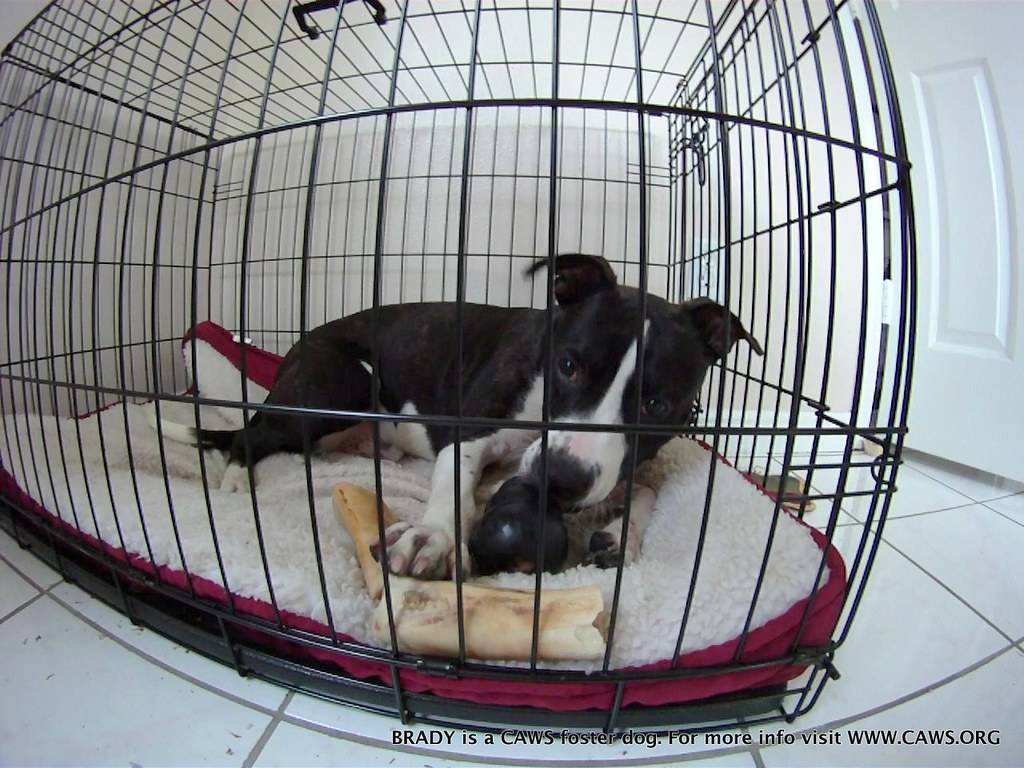
- Choosing the right crate: It’s essential to select a crate of appropriate size—one that allows your dog to stand, turn around, and lie down comfortably. Depending on your dog’s breed and age, various types such as plastic, wire, or soft-sided crates are available and serve different purposes.
- Positive reinforcement: Always reward good behavior. Offering treats and praise when your dog enters the crate can help them associate it with positivity. This is crucial, especially during the initial stages of training when your dog may be unsure about the confined space.
- Consistency: Regular schedules build trust and understanding. Designate specific times for crating—during meals, for nap times, or when you are away from home which helps reinforce the routine.
These foundational elements are pivotal for alleviating anxiety. By applying these tips, you create a positive association with the crate. Your journey towards a harmonious relationship with your dog begins with understanding their needs and providing them with the security they crave. Embrace the crate training process with patience and love, and you’ll find that both you and your canine companion thrive in this new arrangement.
DISCOVER MORE: Click here for valuable tips
Building a Positive Association with the Crate
For your dog to enjoy their crate, it’s essential to build a positive association with that space from the very beginning. A crate should not feel like a punishment; rather, it should be viewed as a cozy retreat where your dog can relax and feel secure. To achieve this, you can employ several techniques that promote a pleasant experience.
Introducing the Crate Gradually
Just like humans, dogs can be apprehensive about new environments and situations. Therefore, it’s crucial to introduce the crate gradually. Start by placing the crate in a common area of your home, such as the living room or kitchen, allowing your dog to explore it at their own pace. You can entice them to venture inside by placing their favorite toys or even some of their meals in the crate. Over time, your pet will come to view the crate as part of their home.
Short Sessions Build Confidence
Once your dog appears comfortable with the crate’s presence, begin with short sessions of crating. Close the door for just a few minutes while you stay nearby. Gradually increase the duration as your dog displays calm behavior. If they whine or show signs of distress, resist the urge to open the door immediately. Instead, wait for them to settle down before allowing them out. This will help reinforce the understanding that calm behavior leads to freedom.
Establishing a Routine
Consistency is key in crate training. Dogs thrive on routine, and establishing a clear schedule can provide them with a sense of security. Consider the following tips for creating a structured routine:
- Feeding Times: Align crate time with meal times. Feeding your dog in the crate can help them associate it with something positive, making it a desirable space.
- Nap Periods: Encourage crate time during your dog’s natural napping periods. This promotes rest and helps them associate the crate with downtime.
- Departure and Arrival: When you leave the house, crate your dog first. This will help them understand that the crate is a safe space during your absence.
Following a routine can markedly reduce anxiety associated with crating, fostering a sense of normalcy for your dog. Setting these expectations not only benefits your pup but also eases the daily flow of your household.
Using Praise and Treats Effectively
Incorporating positive reinforcement is essential to engage your dog and make the crate a desirable place. Every time your dog enters the crate willingly, reward them with treats and enthusiastic praise. This encourages them to explore the crate further and reinforces good behavior. Consider using high-value treats that they don’t receive often, showing them that the crate is associated with special rewards.
Crate training isn’t just about confinement; it’s an invaluable tool for creating a happy and secure environment for your dog. By building a positive association through gradual introduction, establishing routines, and using effective praise, you’re taking significant steps toward a stress-free crate training experience that both you and your dog can enjoy.
| Advantages of Crate Training | Key Insights |
|---|---|
| Promotes Safety | Using a crate provides a secure environment for your dog, preventing access to potentially dangerous items when you are not around. |
| Creates a Calm Retreat | A crate serves as your dog’s personal space, a place to relax and feel safe, minimizing anxiety during stressful situations. |
| Facilitates Housebreaking | Establishing a routine with crate training helps your dog learn bladder control and reduces accidents in the house. |
| Enhances Travel Safety | A crate-trained dog is more comfortable and secure during travel, making car rides less stressful for both pet and owner. |
Crate training, when done correctly, can lead to a more harmonious household. By ensuring that your dog understands the benefits, you’ll facilitate a stress-free atmosphere not just for your pup, but for the entire family. Transitioning your dog into crate training can alleviate common behavioral issues while also safeguarding your living space from any potential hazards. Knowing the advantages and insights from crate training enables pet owners to optimize their dog’s living experience and promote well-being, encouraging further exploration into effective training methods.
DISCOVER MORE: Click here for essential accessories
Addressing Common Challenges in Crate Training
While crate training is a beneficial practice, it can also come with its fair share of challenges. Identifying these potential hurdles in advance will help you proactively navigate them, ensuring a smoother training experience for both you and your dog.
Dealing with Whining and Barking
It’s not uncommon for dogs to whine or bark when first introduced to the crate. This behavior can stem from anxiety, frustration, or a desire for attention. To address this, it’s important to understand that responding to these sounds by letting them out can reinforce the behavior, leading your dog to believe that whining is an effective way to gain freedom. Instead, observe your dog closely and wait for moments of calm before rewarding them with attention or letting them out. Additionally, consider providing engaging toys that can occupy their time in the crate, such as puzzle toys filled with treats.
Gradual Crate Time Increase
Progressively increasing the amount of time your dog spends in the crate is crucial for acclimatization. Begin with very short periods, even just a few minutes, and gradually extend the time as they adjust. A general rule of thumb is to keep crating sessions to no more than one hour for every month of age. Adult dogs can typically handle longer periods, up to 4-6 hours, but should not be crated for excessive durations. Prolonged confinement can lead to heightened anxiety and counteract your training efforts.
Crate Training When Home Alone
Many dog owners find it challenging to crate train their pets when they leave home. One effective strategy is to create a positive and calm exit routine. Leave your dog in the crate with a special treat or a durable chew toy as you prepare to leave. This allows your dog to associate your departures with enjoyable experiences, reducing the stress of your absence. Moreover, try to avoid long goodbyes, as lingering farewells can heighten anxiety.
Choosing the Right Crate Size
The crate’s size is another important factor in ensuring a positive experience. A crate that is too large can encourage inappropriate behavior, like using one side as a bathroom while resting on the other. Conversely, a crate that is too small will be uncomfortable. Ideally, your dog should be able to stand up, turn around, and lie down comfortably. If you’re unsure about the exact size, consult with your veterinarian or pet store expert for guidance.
Monitoring Crate Time
Keeping a close eye on your dog’s behavior while crating is essential for swift adjustments. Look for signs of distress, such as excessive drooling, pacing, or attempts to escape. If your dog shows persistent discomfort, it may indicate that the crate is being used too much or that they need more positive reinforcement to feel secure. Using a journal to track your dog’s progress can be incredibly beneficial; take note of their moods, reactions, and overall comfort levels during crating sessions. This will enable you to tailor your approach to better suit your dog’s needs.
By remaining vigilant regarding common challenges associated with crate training and implementing strategic solutions, you are paving the way for a more effective and stress-free training experience. Understanding the unique personality and needs of your dog is fundamental in cultivating an environment where they can feel safe and secure in their crate.
DISCOVER MORE: Click here to learn how socialization influences behavior
Conclusion: Embracing Crate Training for a Harmonious Home
Crate training can be a pivotal aspect of establishing a harmonious relationship between you and your dog. By understanding key tips for crate training, you not only equip yourself with the tools to foster a nurturing environment but also help your furry friend develop a sense of security and routine. As outlined, addressing common challenges early on—such as dealing with whining and ensuring proper crate size—will prevent issues from escalating and promote a more positive experience.
Remember that patience and consistency are your greatest allies. Gradually increasing crate time, creating enjoyable associations with the crate, and monitoring your dog’s comfort levels can significantly ease the training process. Always keep in mind that the goal is not to confine your dog but to provide them with a cozy retreat where they can feel at ease during daily transitions.
Furthermore, fostering an understanding of your dog’s unique personality is integral to the crate training journey. Each pup will respond differently, and being adaptive in your approach will yield the best outcomes. As you embark on this rewarding journey, you’ll likely discover new insights not only about your dog but also about the nature of companionship and communication.
Investing time in crate training is not just about creating a well-behaved dog; it’s about building a lifelong bond rooted in trust, understanding, and mutual respect. With the right strategies in hand, both you and your beloved pet can thrive in a stress-free environment that fosters happiness and well-being.