The Importance of Socialization in Puppy Training

The Importance of Socialization in Puppy Training
The formative weeks of a puppy’s life are a whirlwind of growth, curiosity, and learning. During this crucial period, often defined as the first 16 weeks, socialization becomes a cornerstone of their development. Through the process of socialization, puppies learn to navigate a world teeming with diverse experiences, setting the stage for becoming confident, well-behaved adult dogs.
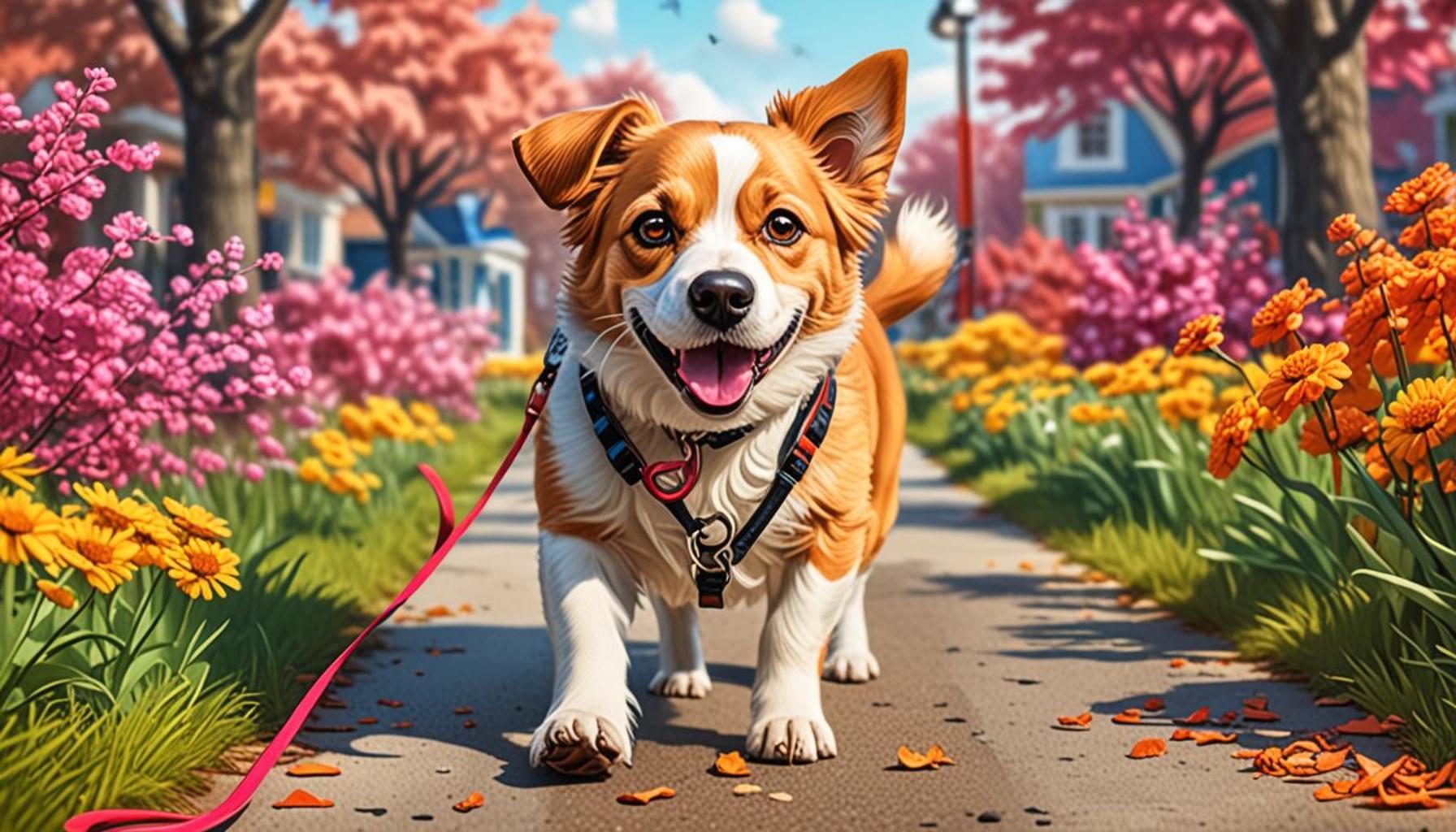
Imagine a scenario where a puppy named Max is exposed to a variety of environments. From bustling city streets to tranquil parks, each outing teaches him how to respond to the sights, sounds, and smells that come his way. Exposure to Different Environments: This diversity helps Max become comfortable in any scenario, whether it’s the clamor of a child’s birthday party or the quietude of a nature walk. The aim is to prevent future fears and anxieties, paving the way for a balanced personality that can thrive in various settings.
Equally important is the Interaction with People and Other Pets: Puppies need to meet a range of individuals, from children to the elderly, as well as other dogs and animals. These interactions promote friendly behaviors and social skills. For instance, when Max plays with a friendly Golden Retriever or engages with a cheerful child, he learns the cues of canine communication and the nuances of gentle play. This reduces the likelihood of fear-based aggression later in life, fostering a more sociable demeanor.
Additionally, the way puppies respond to Adaptation to Sounds and Surfaces: is instrumental in developing resilience. Max encounters everything from the honking of car horns to the rumbling of thunder. Each sound helps desensitize him, ensuring that he doesn’t react with fear when faced with unfamiliar noises in adulthood. Walking on different surfaces—such as grass, gravel, and tile—also instills confidence. These experiences contribute significantly to reducing anxiety in stressful situations.
Research indicates that the first 16 weeks of a puppy’s life are vital for their exposure to varied experiences. The more adventures they embark on during this window, the more well-adjusted they become. Thus, spending time and effort on socialization is not merely a choice; it’s an investment. The rewards are substantial: it leads to a lifetime with a dog that is well-mannered, happy, and capable of handling the myriad situations that life brings.
In summary, proactive steps in socialization can equip puppies with the skills they need to lead fulfilling lives alongside their human companions. By understanding and embracing the importance of socialization, dog owners can nurture balanced and adaptable pets who flourish in their relationships and surroundings.
DISCOVER MORE: Click here to learn about the significance of screening in pet adoption
Building a Foundation for a Happy Canine Life
When it comes to puppy training, socialization is not just an addition; it is a fundamental element that determines a dog’s future behavior and temperament. Socialization during the early weeks is about more than just playing with other puppies; it encompasses a broad spectrum of experiences. It is essential to note that puppies are like sponges, absorbing everything they encounter during this critical period of development. The positive interactions they have now will help shape their personalities in the long run.
One of the key aspects of socialization is exposure to different types of people and backgrounds. Puppies should meet men, women, and children, diverse ethnic groups, and various lifestyles to normalize interaction with all forms of society. For example, when Max, our hypothetical puppy, cuddles with a toddler, he learns how to be gentle and playful. Conversely, when he encounters someone with a loud voice, he learns to remain calm in what might be considered an intimidating scenario. Meeting various individuals fosters a sense of security within him, reinforcing that different people are not to be feared, but engaged with.
Moreover, recognition of the importance of peer interactions among dogs cannot be overstated. Allowing puppies to play with dogs of different sizes, breeds, and ages helps them recognize appropriate play styles and body language. Each encounter teaches valuable lessons. For instance, playing with larger dogs like a Great Dane might require Max to adapt his tactics and learn boundaries, while engagement with smaller breeds fosters patience and adaptability. The key is to ensure these early interactions are positive and supervised to prevent negative experiences that could lead to fear or aggression later in life.
Key Areas of Focus During Socialization
When embarking on a socialization journey, several areas should be prioritized:
- Variety of Experiences: Introduce your puppy to new environments, sounds, and smells, including busy streets, crowded parks, and quiet neighborhoods.
- Interactions with Other Animals: Schedule playdates with various animals, including cats, rabbits, and other dogs, to promote comfort and reduce potential anxiety.
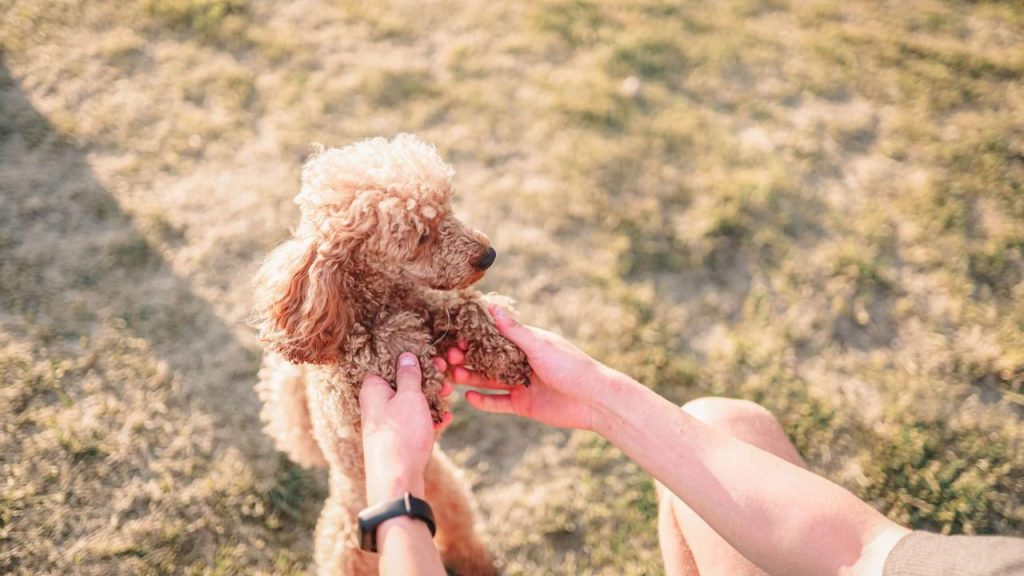
- Handling and Grooming: Familiarize your puppy with being touched and groomed, which is essential for veterinary visits and home care.
- Exposure to Different Situations: Take your puppy to various public settings, such as pet stores, coffee shops, or even outdoor events, to help normalize novel situations.
By emphasizing these areas, you provide your puppy with well-rounded experiences that contribute to their emotional resilience and confidence. The heightened level of social exposure helps create a well-adjusted dog capable of navigating the complexities of life alongside humans and other animals. Not investing in training and socialization during these formative weeks can lead to detrimental behavioral issues, presenting challenges for both the pet and the owner as the dog matures.
The Importance of Socialization in Puppy Training
Socialization is a critical aspect of puppy training that can significantly impact a dog’s behavior as they grow. It encompasses exposing your puppy to various people, environments, and other animals to build their confidence and reduce anxiety.
| Socialization Benefits | Impact on Behavior |
|---|---|
| Increased Confidence | Helps puppies become more comfortable in new situations, reducing fearfulness. |
| Reduced Aggression | Early socialization minimizes the risk of aggressive behavior towards unfamiliar dogs or people. |
| Better Adaptability | Puppies learn to navigate various social settings, making them more adaptable as adults. |
Engaging in puppy socialization should begin as early as possible and include positive experiences. Whether through structured puppy classes, playdates, or trips to pet-friendly places, the key is to take it at a pace comfortable for both the puppy and the owner. By fostering healthy social behavior, you promote a well-adjusted, happy companion for years to come.
DISCOVER MORE: Click here to learn how to understand your dog’s body language
Cultivating Lifelong Skills Through Play and Exploration
As puppies grow through their early developmental stages, it’s essential to recognize that socialization does not solely revolve around initial interactions but rather encompasses a wide array of play and exploration. Engaging in playful activities is crucial as it provides puppies with the opportunity to practice vital social skills. By participating in various games with other dogs and humans, they learn how to communicate effectively and recognize social cues—skills that are applicable throughout their lives.
For instance, during a spirited game of fetch with a fellow puppy, Max not only gains an understanding of the game’s rules but also learns about taking turns. Such interactions can also instill healthy competition and the ability to share space with others. When puppies understand the significance of these social dynamics, they are less likely to develop issues such as resource guarding or possessiveness, which may present themselves later in life.
The Role of Positive Reinforcement
Integral to effective socialization is the concept of positive reinforcement. This training method strengthens desired behaviors by rewarding them, thereby promoting a love for learning and a willingness to engage with others. Every positive interaction Max has, whether it be a gentle nuzzle from a child or a friendly sniff with another dog, should be met with praise or a small treat. This reinforces to Max that engaging in social behaviors is a rewarding experience.
Studies have shown that puppies who receive immediate positive feedback during social encounters are more likely to seek these experiences out later. An ideal time to incorporate this method is during puppy classes, where several controlled scenarios allow the trainer to facilitate interaction while fostering an environment rich in rewards. Families can also do this at home by inviting friends over to introduce their puppies to new people and sounds in a comfortable setting.
Understanding the Risks of Insufficient Socialization
The dangers of insufficient socialization are critical and should not be overlooked. A lack of exposure can lead to fearfulness and anxiety, which manifests as aggression or avoidance in adult dogs. According to veterinary behaviorists, dogs that grow up without proper socialization are more prone to develop behavioral issues such as leash reactivity, excessive barking, and fear-based aggression toward unfamiliar experiences or environments. This transformation often occurs because they haven’t learned to interpret or respond to the world around them appropriately.
Furthermore, the well-documented phenomenon known as the ‘sensitive period’ of socialization highlights that experiences during the first 16 weeks are paramount. After this period, while socialization remains important, the ability to absorb new experiences and adapt to them becomes significantly reduced. This understanding underscores why early intervention in socialization is essential, ensuring that dogs like Max grow into well-adjusted individuals who thrive in diverse situations.
- Frequent Challenges: Regularly introduce your puppy to different challenges, such as encountering bicycles, umbrellas, or other unexpected items that can arise in day-to-day life.
- Goal-Oriented Training Sessions: Incorporate goal-specific activities in training sessions that focus on socialization, teamwork, and playful engagement.
- Expanding Horizons: Regularly vary the puppy’s environment, from tranquil spaces to bustling marketplaces, to broaden their comfort zones.
The combination of playful exploration, positive reinforcement, and proactive engagement with diverse experiences will not only enrich your puppy’s early life but will cultivate the necessary skills for a fulfilling canine existence. In doing so, you lay a solid groundwork for a loyal partner who can gracefully integrate into the social fabric of home, family, and community.
DON’T MISS: Click here for must-have travel accessories for your pets
Conclusion: The Crucial Role of Early Socialization in Puppy Development
In summary, socialization in puppy training is indispensable for shaping well-rounded, confident, and friendly dogs. The initial months of a puppy’s life are a unique window where experiences can significantly influence their behavior and interactions in adulthood. Through engaging in varied play, exploration, and positive reinforcement, owners can cultivate essential social skills that extend beyond mere playtime. These experiences equip puppies like Max to navigate a complex world filled with sights, sounds, and other beings, fostering not only their independence but also their ability to thrive in diverse environments.
Furthermore, the risks associated with insufficient socialization are stark and potentially detrimental. Behavioral issues stemming from fearfulness and anxiety in adult dogs can often be traced back to lack of early social exposure. The sensitive period for socialization is fleeting—underscoring the urgency for owners to initiate social training promptly. Consequently, proactive measures, such as exposing puppies to varied experiences and emphasizing positive interactions, will empower them to become secure and adaptable companions.
Ultimately, investing time and effort into formative socialization not only prevents future behavioral challenges but also enriches the relationship between dogs and their human families. As we strive for harmonious coexistence with our canine companions, it’s clear that early socialization practices are the building blocks upon which strong, trusting partnerships are built. Engaging with your puppy in a myriad of social settings is not merely a training necessity—it is an enriching journey that promises a lifetime of love and loyalty.