Techniques for Teaching Your Cat to Use a Scratching Post
Understanding Feline Behavior
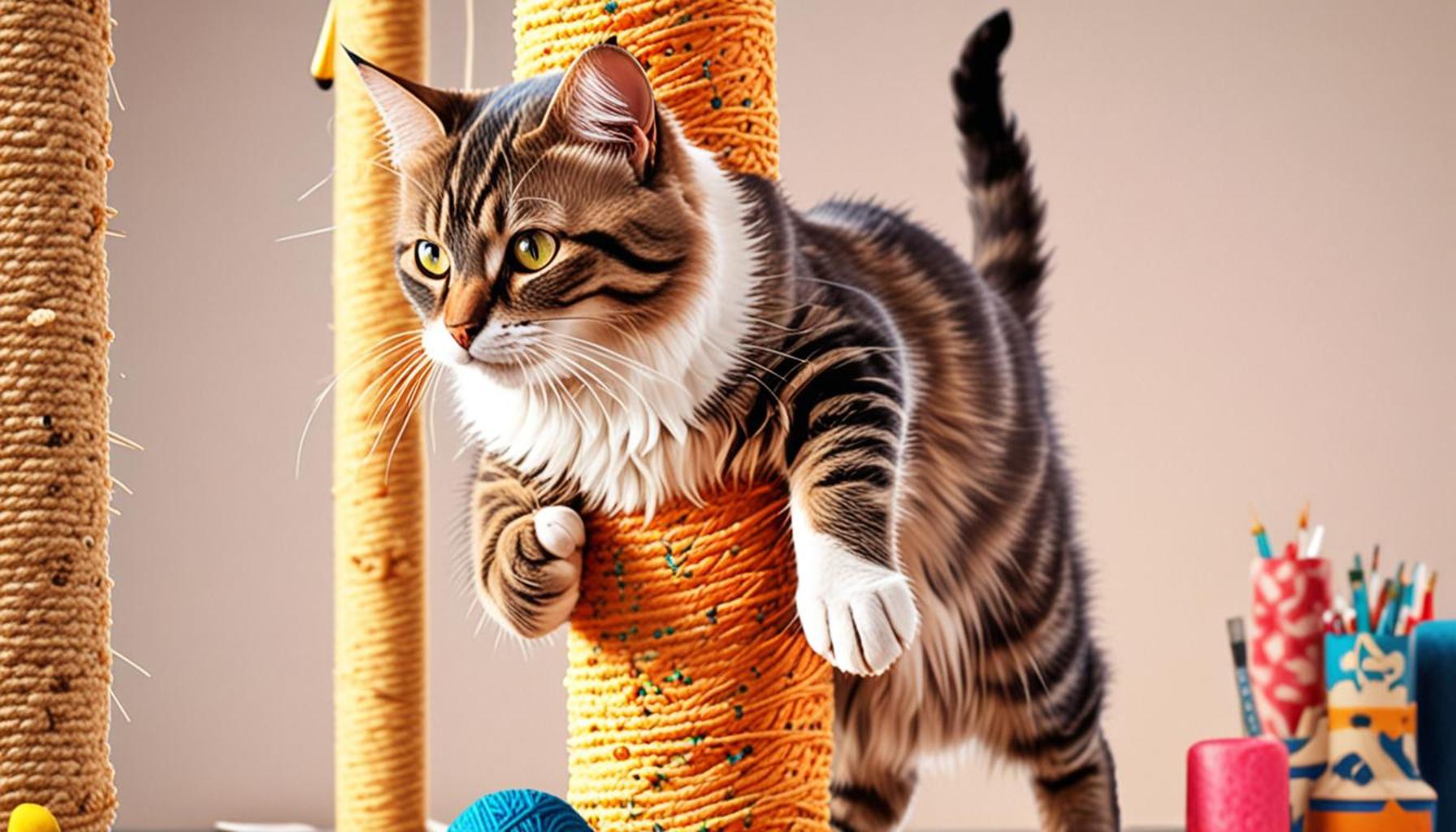
Introducing a scratching post to your cat is a pivotal step in ensuring harmony within your home. Cats have an innate need to scratch, which goes beyond mere play; it is a fundamental aspect of their behavior. This instinctual act serves multiple purposes that are vital for their well-being.
One of the primary reasons cats scratch is for marking territory. By scratching, they leave their scent on the surfaces, which is a form of communication among felines. Not only do they engage with their environment, but they also establish their presence, which can help them feel more secure in their territory. This is particularly noticeable in multi-cat households where marking boundaries is essential to prevent conflicts.
Additionally, scratching provides an excellent method for stretching muscles. Cats are natural athletes, and scratching allows them to flex their paws and limbs, keeping their bodies agile and strong. As they extend and contract their muscles during this activity, they not only improve their physical condition but also release pent-up energy, which can reduce behavioral issues stemming from boredom or stress.
Moreover, regular scratching helps in sharpening claws. Cats’ claws grow continuously, and scratching assists in removing the outer sheath of their claws that can become dull or damaged. This grooming habit is essential to their health, as unkempt claws may lead to pain or infections. Providing a scratching post ensures that your cat can maintain their claws in an optimal state.
Techniques for Successful Introduction
To make the introduction of a scratching post a smooth and enjoyable experience, consider several effective strategies.
- Location: The placement of the scratching post is crucial. It should be situated in a high-traffic area where your cat often spends time. Common spots include near their favorite lounging areas or close to their food. The visibility and accessibility will encourage your cat to use it regularly.
- Enticement: Utilizing catnip can significantly enhance your cat’s interest. Dusting the scratching post with catnip or even placing treats near it can draw your cat’s attention and stimulate their curiosity. Over time, they may associate the post with positive experiences, leading to more frequent usage.
- Positive reinforcement: When your cat uses the scratching post, it is important to reward them immediately with treats or affection. Positive reinforcement not only encourages repeat behavior but also helps to create a positive association with the scratching post, making it a preferred option over your furniture.
By embracing these techniques with patience and understanding, you can effectively redirect your cat’s natural instincts to the scratching post. This not only protects your furniture but also fosters an environment where your cat feels stimulated and fulfilled. In the sections that follow, we will explore each technique in greater depth, providing insights to help you create a peaceful coexistence with your feline companion.
LEARN MORE: Click here for essential pet health tips
Essential Techniques for Introducing a Scratching Post
Teaching your cat to use a scratching post effectively requires a strategic approach that caters to their instincts and preferences. Cats can be curious creatures, so once you introduce them to a scratching post, you’ll want to ensure it’s an inviting and enjoyable experience. Here are some techniques to help your cat embrace their new furniture.
- Choosing the Right Post: Not all scratching posts are created equal. It’s crucial to select a post that aligns with your cat’s scratching habits. Some cats prefer vertical surfaces while others gravitate towards horizontal ones. Experiment with different materials, such as cardboard, sisal, or carpet, to identify what holds your cat’s interest. Visiting a local pet store can provide insight into the various types available, and you may even notice styles that complement your home decor.
- Utilizing Texture: Different fabrics and textures can attract cats in unique ways. For instance, many cats enjoy the roughness of natural fibers like sisal rope or wood, which mimic the textures they would encounter in the wild. Offering a variety of textures can keep your cat engaged and help them bond with their scratching post.
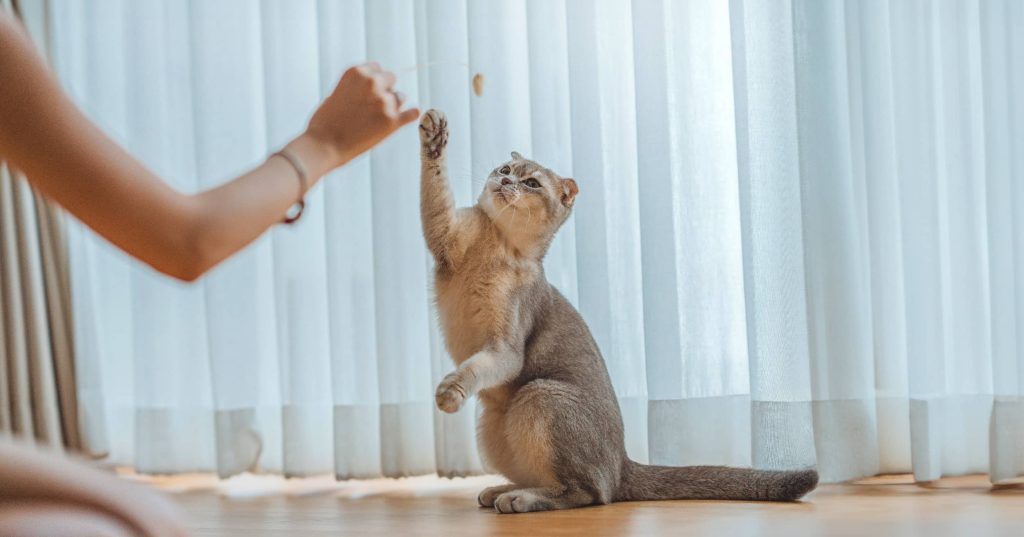
- Modeling Behavior: Sometimes, cats need to be shown the way. Spend time near the scratching post, gently encouraging your cat to interact with it. You can use a feather toy or a string to play near the post, enticing them to scratch as they pounce or swat at the toy. Cats learn by observation, so witnessing you engage can prompt them to explore their new scratching site as well.
- Creating a Scratching Zone: To further enhance your cat’s likelihood of using the post, create a “scratching zone.” This dedicated area can consist of the scratching post, toys, and even a cozy sleeping spot. Cats flourish in environments that offer stimulation and comfort, making it more likely that they will adopt the scratching post as a central feature in their space.
- Transitioning Away from Furniture: If your cat has been using furniture as their scratching target, discourage this behavior by applying double-sided tape or commercial deterrent sprays to those surfaces. Cats dislike the sticky feeling or unfamiliar scents, helping steer them towards their scratching post instead. With time, they will learn that this is the acceptable place for scratching.
Incorporating these techniques into your routine not only promotes the use of the scratching post but also nurtures a healthy environment for your feline. By understanding their unique preferences and providing ample encouragement, you can cultivate good scratching habits that protect your home while ensuring your cat remains happy and fulfilled.
When it comes to teaching your cat to use a scratching post, it’s essential to understand that patience and consistency are key. Cats are creatures of habit, and establishing a routine can significantly impact their willingness to adopt new behaviors. Here, we explore effective techniques that can facilitate this process and make it a rewarding experience for both you and your feline friend.
Understanding Cat Behavior
Before diving into specific techniques, it’s vital to understand why cats scratch. Scratching is a natural behavior that helps them sharpen their claws, mark territory, and stretch their muscles. By acknowledging this instinct, you can frame the training process positively.
Choose the Right Scratching Post
Not all scratching posts are created equal. Observe your cat’s favorite scratching surfaces, whether they prefer horizontal or vertical spaces. Select a scratching post that matches these preferences in terms of texture, size, and shape. Some cats may prefer materials like sisal rope or cardboard, while others might enjoy a plush surface. Placing the scratching post in a prominent location will make it more accessible and appealing.
Positive Reinforcement
Utilize positive reinforcement to encourage your cat to use the scratching post. Whenever your cat approaches or uses the post, reward it with treats, praise, or playtime. This association will help them see the scratching post as a positive outlet for their scratching needs. Ensure that the rewards are immediate, so your cat can connect the behavior with the reward effectively.
Redirecting Behavior
If you catch your cat scratching furniture or other inappropriate surfaces, gently redirect them to the scratching post. Avoid scolding; instead, guide your cat to the post and encourage them to scratch it. You can even use catnip to make the scratching post more enticing. This strategy not only helps preserve your furniture but also reinforces the idea that the scratching post is the appropriate place for this behavior.
Creating a Routine
Establish a routine where you engage with your cat around the scratching post. Designate specific times for play or interactions near it. This will increase your cat’s comfort level with the post and encourage its use over time. Consistency in your training approach will greatly increase the chances of success.
Patience is Key
Remember that every cat is different, and some may take longer to adapt to the scratching post than others. Providing a comfortable, supportive environment during the training process is crucial. Avoid frustrations and celebrate small victories, as they build a positive environment for your cat to learn.
By employing these techniques and understanding your cat’s unique preferences and instincts, you’ll foster a loving and scratch-friendly environment in your home. Eventually, your cat will not only respect the scratching post but will also maintain its claws and relieve stress effectively.
DISCOVER MORE: Click here for expert tips
Enhancing Your Cat’s Experience with the Scratching Post
Once you’ve introduced your cat to the scratching post, fostering a positive relationship between your feline friend and their new scratching haven is key. A few additional techniques can further entice your cat to engage with the post while also leveraging their natural instincts.
- Positive Reinforcement: Utilizing treats and praise can significantly boost your cat’s motivation to use their scratching post. After they successfully scratch the post, reward them immediately with a tasty treat or verbal encouragement like “Good kitty!” Consistent reinforcement helps them associate the scratching post with positive experiences, making it more attractive over time.
- Choosing the Right Location: The placement of the scratching post is critical. Cats prefer areas in their home where they feel comfortable and where there is activity. Consider placing the scratching post near their favorite lounging spot or in a room where your cat spends most of their time. Additionally, positioning the post near furniture that your cat has previously scratched can help redirect their behavior effectively.
- Timing Play Sessions: Incorporating scratching into playtime can encourage positive associations. Use interactive toys to get your cat excited, and as they become animated, guide them towards the scratching post. Create a fun game that involves transitioning freely between play and scratching, allowing them to feel accomplished in both activities. Over time, they may naturally associate scratching with playtime, increasing post usage.
- Adding Catnip: Catnip is a magical herb that can entice cats to roll, rub, and scratch due to its stimulating effects. Sprinkling a little dried catnip on or around the scratching post can grab their attention and encourage scratching. Keep in mind, however, that not all cats are affected by catnip, so monitor their reaction to see if it enhances their scratching experience.
- Regular Maintenance: A scratching post can quickly lose its appeal if it becomes worn or grimy. Regularly clean the post to remove loose fibers or hair, and ensure it remains stable and upright. Cats prefer sturdiness, as a wobbly post may deter them from using it. If the post is getting too damaged, consider upgrading to a new one to maintain their interest.
These techniques can significantly enhance your cat’s experience with the scratching post, ensuring they develop healthy scratching habits. The goal is to create an environment where scratching becomes an integral and enjoyable activity for your feline, ultimately benefiting both their physical and mental well-being.
DISCOVER MORE: Click here to enhance your pet’s wellbeing!
Conclusion
Teaching your cat to use a scratching post is not merely about redirecting their natural instincts; it’s about enriching their life and fostering a happy environment in your home. By employing techniques such as positive reinforcement, optimal placement, and engaging playtime, you can significantly enhance your feline’s interaction with their scratching post. Each cat is unique, so it’s important to observe and adapt these strategies to suit your pet’s specific preferences and habits.
Additionally, incorporating stimulating elements like catnip and ensuring regular maintenance of the scratching post can keep your cat’s interest high and encourage consistent use. Understanding your cat’s behavioral cues and creating a routine around their scratching habits will not only protect your furniture but also promote their mental and physical well-being.
As you embark on this journey of teaching your cat, remember that patience is key. It may take time, but with the right approach, you’ll likely find your cat happily scratching away at their post. Furthermore, if you’re interested in deepening your knowledge, consider exploring various scratching post designs or seeking insights from veterinarians on the importance of scratching for feline health. In doing so, you’re not just teaching your cat—you’re enriching their life and enhancing the bond you share.