How to Train Your Guinea Pig to Respond to Its Name

The Fascinating World of Guinea Pig Training
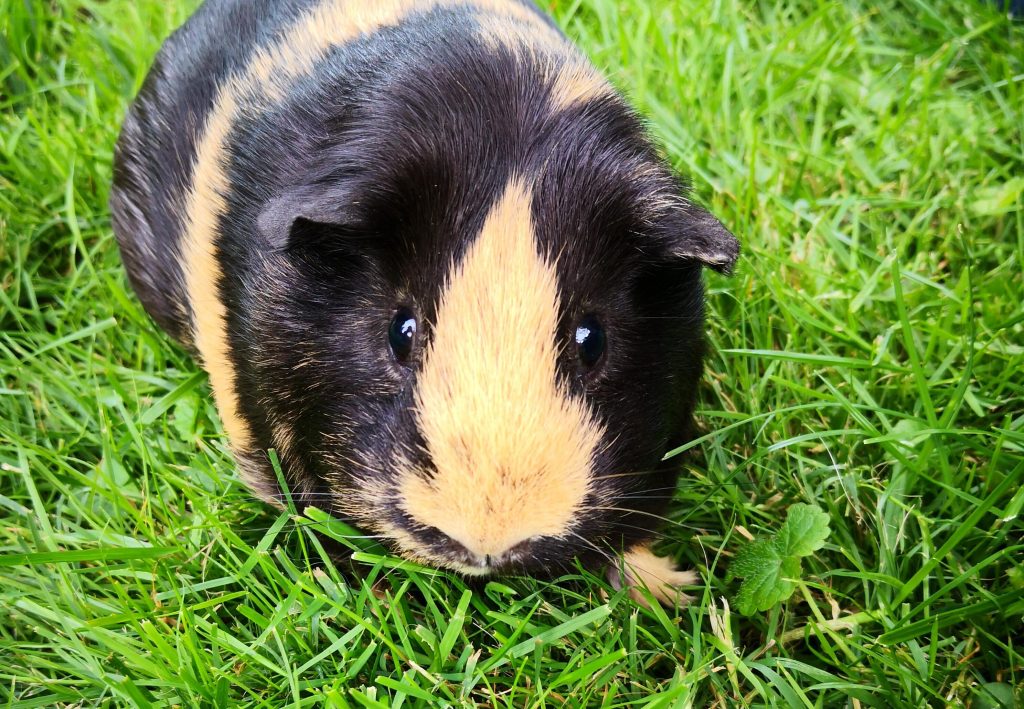
Guinea pigs, known for their gentle demeanor and playful antics, possess an intelligence that often surprises their owners. Beyond their cute appearance, these small mammals are capable of forming meaningful connections with their human families. One of the most exciting aspects of owning a guinea pig is the possibility of training them to respond to their names, creating a more interactive relationship. With a combination of patience and positive reinforcement, training your guinea pig can be a fulfilling endeavor.
To effectively train your guinea pig, there are several critical components to consider. Let’s delve deeper into some of these key aspects:
- Establish a Routine: Just like us, guinea pigs thrive on consistency. Setting specific times for training sessions helps your pet anticipate and prepare for learning. This can be as simple as a 10-15 minute session daily, during which you can use a calm voice and focused attention to teach them. Keeping training sessions short but frequent is key to keeping your guinea pig engaged without overwhelming them.
- Use Treats: Motivating your guinea pig with their favorite snacks is an effective way to encourage learning. Foods like small pieces of bell peppers, carrots, or specially formulated guinea pig treats can serve as excellent rewards. This positive reinforcement not only makes training more effective but also enriches their experience by adding moments of joy and excitement. Pairing the treat with their name when they respond can reinforce the connection.
- Be Patient: Remember that every guinea pig has a distinct personality and learns at their own pace. While some may catch on quickly, others may take longer to respond. Celebrating small successes, such as even a fleeting glance in your direction upon hearing their name, is crucial. This patience will foster a strong bond built on trust, making your guinea pig more willing to engage and explore.
Training your guinea pig to respond to its name does more than just make ownership easier; it significantly enhances their overall well-being. A guinea pig that feels connected and engaged is generally more active and less prone to stress-related issues. This bond is crucial, especially considering that guinea pigs, being social animals, require ample interaction to thrive. Thus, investing time in their training can lead to happier, healthier pets.
As you embark on this training journey, keep in mind the unique quirks and personality traits of your guinea pig. Each session can bring moments of laughter or curiosity as you both learn from each other. With continued practice, you’ll not only be able to call your guinea pig by name but also deepen your understanding of their behaviors and needs.
In future sections, we will explore practical techniques, tips, and tricks to help your guinea pig become a name-recognizing champ. Whether you are a first-time guinea pig owner or a seasoned pro, there is always something new to discover in the captivating world of guinea pig training!
DISCOVER MORE: Click here to dive deeper
Creating a Positive Learning Environment
Before diving into the actual training techniques, it is essential to create a comfortable and conducive environment for your guinea pig. A well-structured space will not only help in smoother learning but also enhance your pet’s willingness to engage. Here are some key areas to focus on when preparing for training sessions:
- Choose the Right Location: Training should take place in a quiet, familiar area where your guinea pig doesn’t feel threatened or distracted. Ideally, select a space devoid of loud noises or other pets that could divert their attention. A comfortable spot within their enclosure or a designated play area can work well.
- Limit Distractions: Ensure that the environment encourages focus. Minimize potential distractions such as bright lights, movement from other family members, or even the sounds of television. A calm setting will allow your guinea pig to concentrate more on your commands and responses.
- Timing is Crucial: Pay attention to your guinea pig’s energy levels throughout the day. Early mornings or late afternoons might be the best times for training, as guinea pigs are naturally more alert during these periods. Aligning your training sessions with their active times can lead to better results.
Once your environment is set up for success, the next step is to focus on effective communication. Communication between you and your guinea pig plays a pivotal role in training. It’s not just about saying their name; it’s about conveying a sense of encouragement and clarity. Here are some ways to enhance communication during training:
- Use Consistent Feeding Practices: Incorporate the calling of your guinea pig’s name with regular feeding times. By associating their name with something positive, like mealtime, you create a stronger bond. For instance, call their name when you approach their enclosure with food.
- Experiment with Vocal Tone: Guinea pigs are particularly sensitive to the tone of voice. Use a high-pitched, cheerful tone when calling their name, as it can convey excitement and encourage them to respond. Your enthusiasm can be infectious, making the training more appealing for your pet.
- Limit Command Variability: Stick to using their name consistently without nicknames or variations. Consistency will reinforce recognition, ensuring that your guinea pig begins to associate that specific sound with their identity.
The journey of teaching your guinea pig its name involves gradual progress and full engagement. As you establish a positive learning environment and strengthen your communication, these steps will pave the way for deeper interactions. Remember, the goal is to foster not just a responsive pet, but a thriving companion that delights in your presence.
By fine-tuning the training dynamics as highlighted above, your guinea pig will gradually learn to recognize its name. With time, these simple techniques can culminate in a remarkable bond, enriching both your lives.
| Training Methods | Benefits of Training |
|---|---|
| Positive Reinforcement | Enhances bonding and trust with your guinea pig. |
| Consistency and Patience | Establishes reliability of commands, making communication easier. |
| Using Their Name Often | Encourages recognition and response to their name. |
| Engaging Playtime | Motivates your guinea pig to engage through active bonding. |
Training your guinea pig to respond to its name can be an enriching experience not only for your furry friend but also for you. By utilizing methods such as positive reinforcement, you foster a sense of trust and affection. This encourages a positive atmosphere for your pet’s development. Moreover, being consistent and patient with your training elevates the effectiveness of communication between you and your guinea pig. Integrating your guinea pig’s name into everyday conversations helps with recognizing their identity. Engaging in playtime not only provides mental stimulation but also strengthens the bond, making your guinea pig more receptive to training. Together, these methods can lead to a well-trained guinea pig, making everyday interactions enjoyable and cohesive.
DISCOVER MORE: Click here to learn about balanced pet nutrition
Implementing Effective Training Techniques
Once you’ve set the stage for a positive learning environment and fostered clear communication with your guinea pig, it’s time to dive into effective training techniques. Training a guinea pig to respond to its name requires patience, consistency, and understanding of their unique behaviors. Here are several strategies to consider:
- Start with Short Sessions: Guinea pigs have a limited attention span, typically only about 5 to 10 minutes at a time. Start with short training sessions to keep them engaged and prevent frustration. As your guinea pig begins to understand its name, you can gradually extend the duration, ensuring each session remains enjoyable.
- Use Treat Reinforcement: Positive reinforcement is key to encouraging your guinea pig to respond to its name. Select small, healthy treats—such as pieces of carrot or fresh herbs. When your guinea pig responds correctly to its name, reward it immediately with a treat. This association will strengthen the connection between the name and a positive outcome.
- Encourage Active Participation: Interactivity can significantly enhance the learning process. Encourage your guinea pig to come to you when called. To facilitate this, you might start a gentle tapping sound while saying the name. As your pet learns to associate that sound with your presence, their response time may improve.
Observing your guinea pig’s behavior and adapting to its responses can be crucial in this process. Every pet is unique, and understanding their quirks will guide your training. Here are some additional tips to enhance the experience:
- Be Patient and Consistent: Training takes time. If your guinea pig doesn’t respond immediately, don’t be discouraged. Repeat the name regularly, using it in a friendly tone during your interactions. Consistency in your approach will solidify their learning, turning the training into a routine experience rather than a chore.
- Introduce Playful Elements: Incorporate play into your training sessions. For instance, you can create a game where your guinea pig must find you in a contained space after calling its name. By turning training into a fun activity, your pet is more likely to engage and respond positively.
- Avoid Negative Reinforcement: Guinea pigs are sensitive creatures. It’s crucial to avoid scolding or showing frustration if they don’t understand immediately. Instead, focus on the process and celebrate small achievements. Positive encouragement fosters a supportive environment and prevents stress.
Moreover, keeping a training log can be beneficial. Documenting your guinea pig’s progress and responses will help you recognize patterns and plan sessions more effectively. For instance, you may find that certain times of day produce better results or that specific types of treats are more appealing. This record can fine-tune your approach and ultimately lead to faster learning.
Lastly, don’t forget to enjoy the journey! Bonding with your guinea pig while teaching it to recognize its name not only enhances the pet-owner relationship but also enriches both your lives. Remember, the goal is to create a loving and responsive companion that easily recognizes its name, paving the way for further training and deeper connections in the future.
DON’T MISS: Click here to discover essential travel accessories for your pets
Conclusion
In conclusion, training your guinea pig to respond to its name can be a rewarding and enjoyable process that deepens the bond between you and your furry friend. By creating a positive learning environment and employing effective techniques such as short training sessions, treat reinforcement, and gentle encouragement, you lay the foundation for successful communication. Every guinea pig is unique; therefore, being patient and adaptable will help you navigate each pet’s individual quirks and preferences.
Incorporating playfulness into training not only enhances your pet’s engagement but also transforms the learning experience into a joyful activity. Remember that consistency is key; repeating their name in a friendly tone during your interactions will reinforce their learning. Beyond the immediate goal of recognition, this training fosters trust and strengthens your relationship, paving the way for further advanced training activities in the future.
Moreover, maintaining a training log can significantly aid in tracking your guinea pig’s progress and understanding their learning patterns. As you work together to develop this skill, you’ll discover new facets of your guinea pig’s personality and preferences. Ultimately, the journey of teaching your guinea pig its name is not just about obedience; it’s about creating a loving, responsive companion that brings joy and companionship into your life. Explore, engage, and enjoy the process, knowing that the fruits of your labor will manifest in a better understanding and a deeper connection with your beloved pet.