How to Train Your Dog to Be Comfortable with Grooming
Understanding Your Dog’s Grooming Needs
Grooming plays a pivotal role in maintaining your dog’s physical health as well as emotional well-being. Despite its importance, many dogs feel anxious or apprehensive during grooming sessions. However, by adopting a thoughtful approach, you can help your canine companion build a strong sense of comfort and trust throughout these necessary activities.
The Importance of Early Exposure
Introducing your dog to grooming at a young age can produce significant long-term benefits. Here are a few crucial points to consider:
- Reduces Anxiety: Just like humans, dogs tend to fear the unknown. Familiarizing your puppy with grooming tools, such as brushes and clippers, early on can significantly lessen their anxiety. For example, allowing them to sniff and explore the grooming equipment can preemptively mitigate fear of these tools down the line.
- Cultivates Familiarity: Regularly incorporating grooming into your puppy’s routine helps them understand that this practice is a normal part of life, rather than a stressful event. Establishing a schedule, such as grooming once a week, leads to a predictable routine that your dog can rely on.
- Enhances Bonding: Engaging in grooming activities can strengthen the bond between you and your dog. The physical touch involved in grooming—such as brushing, bathing, or nail trimming—can be comforting and promotes trust. This kinesthetic interaction emphasizes your role as a caretaker and enhances the overall relationship.
Preparation for Grooming Sessions
To ensure grooming sessions are positive experiences, consider a few essential strategies:
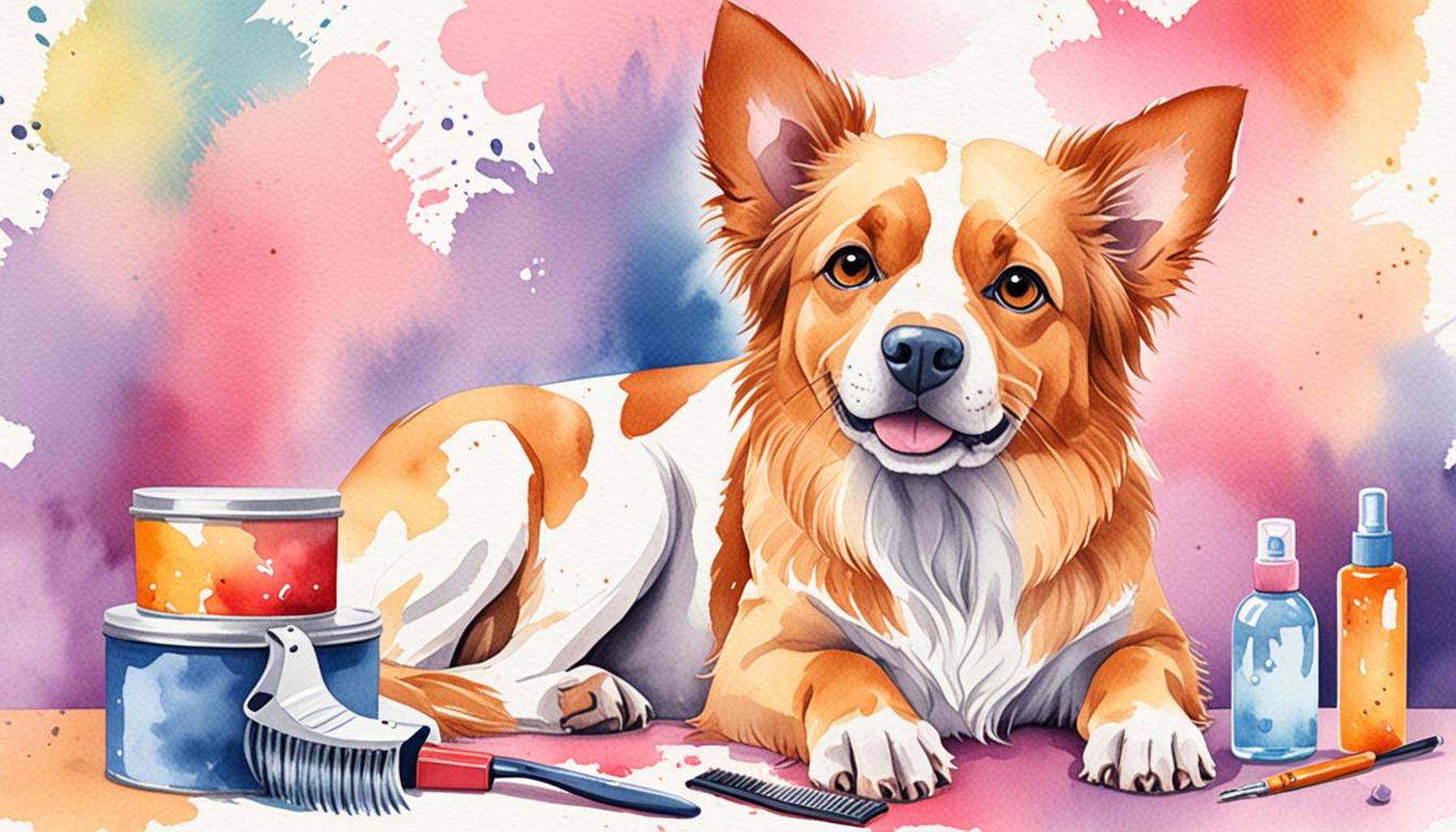
- Choose the Right Equipment: Depending on your dog’s breed and coat type, the tools you use can greatly affect how they feel during grooming. For instance, long-haired breeds like Golden Retrievers require different brushes compared to short-haired counterparts like Beagles. Investing in a comfortable and suitable grooming kit is key.
- Create a Calm Environment: Setting the right atmosphere can alleviate stress for your dog. Designate a grooming area that is quiet and free from distractions—a familiar space, perhaps with their favorite blanket or toys. Soft, calming music can also help in creating a serene ambiance where your dog feels safe.
- Always Use Positive Reinforcement: Encouragement goes a long way. Using treats and verbal praise during and after grooming sessions helps your dog develop positive associations with the experience. If your dog remains calm when you brush their fur, reward them with a treat or a beloved toy as a form of encouragement.
By employing knowledge and effective techniques, you can transform grooming into a joyful experience for your dog. Consider your pet’s preferences and needs while establishing a regular grooming routine, ensuring it becomes a cherished activity—one that they come to expect and look forward to as a time for bonding and care.
LEARN MORE: Click here to enhance your cat training skills
Introducing Gradual Grooming Techniques
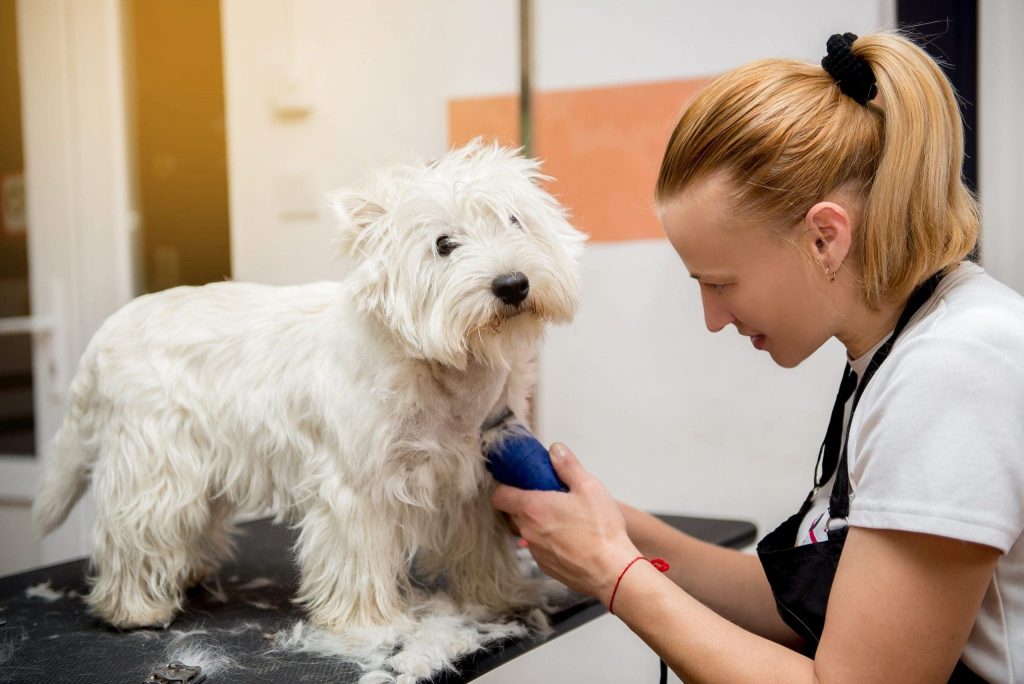
Once you’ve set the stage for a positive grooming experience, the next step is introducing gradual grooming techniques. This method involves exposing your dog to various grooming activities in a slow, manageable manner. Rather than jumping straight into a full grooming session, consider breaking it down into smaller, less intimidating tasks. Here are some effective techniques to help your furry friend ease into grooming:
Start with an Introduction
Familiarity is key. Begin by introducing your dog to grooming tools without applying them. Lay out brushes, combs, and clippers around their play area to help them get accustomed to the equipment. Allow your dog to sniff and investigate these items at their own pace. This can diminish feelings of anxiety or apprehension they may associate with the grooming process.
Short Sessions
Start with very short grooming sessions, lasting only a few minutes at first. For example, simply brushing your dog for one to two minutes can be a good starting point. The goal is to get your dog used to being touched and handled without overwhelming them. Over time, you can gradually extend these sessions as your dog becomes more comfortable.
Incorporate Play and Rest Breaks
To keep the sessions enjoyable, intersperse grooming tasks with play. Engaging in a quick game of fetch or offering a well-deserved treat can make the grooming experience more enjoyable for your pet. Taking rest breaks during grooming, when your dog starts to show signs of discomfort, also allows them to relieve stress before continuing. Monitoring your dog’s body language is crucial; signs of stress can include turning their head away, panting, or trying to escape. Being sensitive to these cues ensures that you do not push them beyond their comfort zone.
Utilize Calming Methods
Integrating calming techniques can also enhance your dog’s experience with grooming. Consider playing soothing music or using products specifically designed to promote relaxation. A calming spray or a pheromone diffuser placed in your grooming space can also work wonders in creating a serene atmosphere. These strategies can be particularly effective for breeds that are more prone to anxiety.
Rewards and Reinforcement
Every little step taken deserves recognition. Using positive reinforcement is essential for helping your dog build favorable associations with grooming. Praise your pet, offer treats, or provide toys throughout the grooming session. Each time they remain calm or allow you to work on a specific grooming task, reward them. Consistently rewarding their good behavior nurtures trust and can reduce grooming-related anxiety in the long run.
In summary, introducing gradual grooming techniques can significantly transform your dog’s perspective on grooming. By creating an environment of familiarity, incorporating short sessions, and using calming methods, you pave the way for a positive grooming experience. Remember, these techniques not only enhance your dog’s comfort but also reinforce the strong bond you share during these essential moments of care.
| Category | Details |
|---|---|
| Positive Reinforcement | Using treats and praise encourages your dog to associate grooming with positive experiences. |
| Desensitization | Gradually introducing grooming tools helps reduce fear and anxiety in dogs, making them more comfortable. |
| Consistency | Regular grooming sessions help establish familiarity, which makes the process easier over time. |
| Calm Environment | Creating a quiet and calm space during grooming sessions minimizes distractions and keeps your dog relaxed. |
To train your dog to be comfortable with grooming, it is essential to implement techniques such as positive reinforcement and desensitization. By gradually introducing grooming tools like brushes and clippers while rewarding your dog with treats or affection, you cultivate a sense of trust and security. The power of a calm environment cannot be overlooked, as it significantly lowers a dog’s anxiety level, making them more receptive to grooming. Additionally, maintaining consistency in grooming routines reinforces comfort and familiarity. Through these methods, you not only ease your dog’s grooming experience but also enhance your bond with them, leading to a well-groomed and happy pet. Readers interested in crucial tips on this journey will find valuable insights to explore further.
LEARN MORE: Click here to understand the emotional challenges of pet adoption
Incorporating Grooming into Daily Routine
Once your dog shows signs of comfort with the initial stages of grooming, it’s time to integrate these sessions into your daily routine. Establishing a consistent grooming schedule can help your dog understand that grooming is a normal part of life, lessening anxiety over time. Here are some effective strategies to incorporate grooming into your dog’s routine:
Designate a Grooming Spot
Choosing a specific location for grooming can create familiarity and a sense of security for your dog. Whether it’s a particular room in the house or a cozy spot in the yard, consistency in the environment helps your dog become comfortable. Make the grooming area inviting by adding their favorite blanket or toy to make them feel more at ease.
Routine Grooming Tasks
Incorporate short grooming tasks into your everyday interactions with your dog. This doesn’t necessarily mean scheduling lengthy grooming sessions; rather, you can combine tasks with other activities. For instance:
- Brush your dog’s fur while they’re relaxing on the couch after a play session.
- Trim their nails during TV time, ensuring it’s a quick and calm experience.
- Practice ear cleaning while they are enjoying pets and cuddles.
By embedding these simple tasks into daily life, your dog will gradually associate grooming with love and attention, reducing any fearful responses.
Leverage Bath Time
Bath time can often be a challenging experience for dogs, but it can also be an effective opportunity to enhance your grooming routine. Start by allowing your dog to become familiar with the bathing area. If your dog is fearful of water, consider using a wet cloth to simulate the sensation of bathing without full immersion. Additionally, using a gentle dog shampoo that has a pleasant scent can create a positive association with bathing. Over time, you can introduce more elements of bathing, such as rinsing and drying, while ensuring it’s a low-stress experience.
Invest in the Right Tools
Using the right grooming tools tailored to your dog’s coat type can also contribute significantly to their comfort. Different breeds have vastly different grooming needs, so it’s essential to select brushes, combs, and clippers that suit your dog’s fur. For example:
- A slicker brush works well for long-haired breeds, helping to detangle without pulling.
- Rubber grooming gloves can make brushing feel more like petting, easing anxiety.
- Using quiet clippers designed for sensitive dogs can reduce fear associated with noise.
Investing in high-quality grooming tools not only makes the grooming process easier for you but also more pleasant for your dog.
Encourage Socialization with the Grooming Process
Consider involving family members or friends in the grooming experience. Allowing others to gently brush your dog while you supervise can help establish a positive social interaction around grooming. This reliance on multiple caregivers can desensitize your dog further and create a network of positive reinforcement, showing them that grooming is simply part of being a loved member of the family.
Incorporating grooming into your dog’s daily routine through familiar spaces, integrating short sessions, and using effective tools can all contribute to building a sense of comfort and trust. By making grooming a shared, everyday experience, you help foster a secure and relaxed environment that significantly improves your dog’s approach to grooming over time.
LEARN MORE: Click here to discover the impact of socialization on your feline friend
Conclusion
Training your dog to be comfortable with grooming requires patience, consistency, and a nurturing approach. As we have explored, incorporating grooming into a daily routine and establishing a designated space for such activities can make a world of difference in easing your dog’s anxiety. By engaging in routine tasks during enjoyable moments, you nurture a bond that reshapes your dog’s perception of grooming from a daunting obligation to a positive, loving experience.
Furthermore, leveraging bath time and selecting the right grooming tools tailored to your dog’s specific needs can significantly enhance their comfort levels. When dogs receive gentle handling and soothing experiences, they learn to associate grooming with care and affection rather than stress or fear.
Another critical component is socialization during grooming sessions, encouraging a network of positive reinforcement from family or friends. This not only desensitizes your dog but also turns grooming into an inclusive family activity, fostering an environment of trust and safety.
By embracing these techniques, dog owners can pave the way for a calm and enjoyable grooming experience. Remember, the goal is not just to achieve a well-groomed dog but to create a comfortable space where your furry friend feels valued and safe. So take the time to invest in these practices, and you will likely witness a transformation in your dog’s attitude towards grooming, leading to improved health, hygiene, and happiness for both you and your canine companion.