How to Train Your Dog to Be a Better Travel Companion
The Joys of Traveling with Your Dog
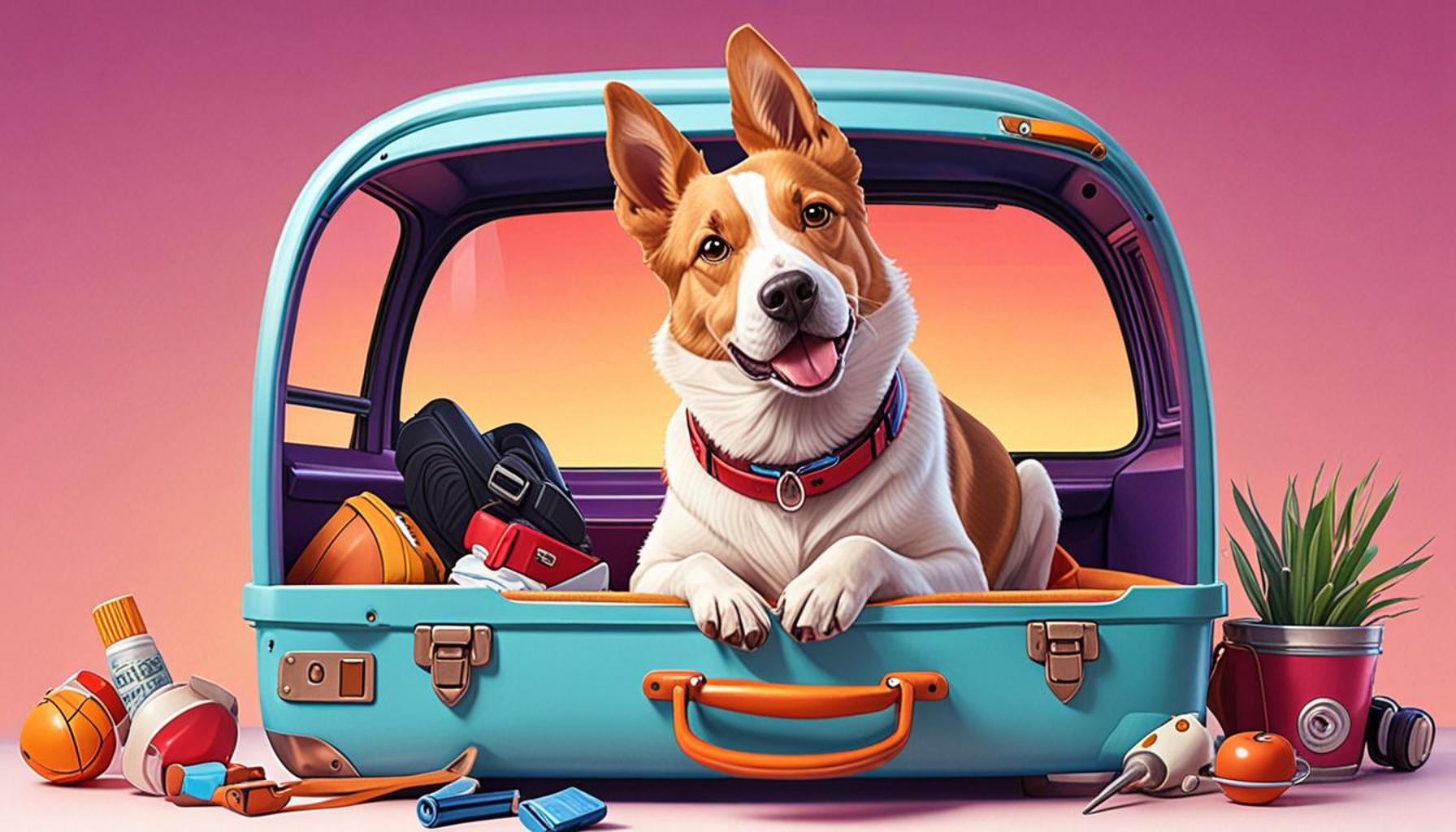
Traveling with your furry friend can be a rewarding experience filled with unforgettable memories. However, ensuring your dog behaves well during trips is crucial for a smooth adventure. With the right training strategies, your pet can become the perfect travel companion, easing the stress of navigating new environments and enhancing your overall enjoyment.
Socialization: Preparing for New Experiences
Socialization is an essential part of preparing your dog for travel. It involves exposing your dog to a variety of environments, people, and other animals. This practice helps reduce anxiety and fear that may arise in unfamiliar situations. For example, take your dog to pet-friendly parks, busy streets, or community events to help them get accustomed to different sounds, scents, and sights. Arrange playdates with other dogs or visit a local dog park; these experiences can help foster positive interactions and adaptability in various settings. Gradually increasing exposure to new experiences will build your dog’s confidence, making them more adaptable during travels.
The Importance of Basic Commands
Another critical aspect to consider is teaching your dog basic commands. Commands like “sit,” “stay,” and “come” aren’t just about obedience; they are vital for safety during travel. For instance, when stopping at a rest area on a road trip, a solid “stay” command can keep your dog from running into traffic while you stretch your legs. Practice these commands in various environments to reinforce your dog’s reliable response to these cues, even in the face of distractions. This foundational training ensures that you can enjoy outings without worrying about your dog’s behavior.
Leash Training for Smooth Navigation
Leash training is also essential for making travel easier. Teaching your dog to walk calmly on a leash will help you navigate new places effectively. Choose a reliable leash and collar and practice walking in different settings, gradually increasing distractions. If your dog tends to pull, employ positive reinforcement techniques to encourage a loose leash. This skill is particularly useful in crowded areas or nature trails, allowing you to maintain control while enjoying the journey. Additionally, consider using a harness for added control and comfort, especially for dogs who pull or have unique body shapes.
Proper training can lead to endless adventures, whether it’s hiking at national parks or enjoying weekend road trips. A well-trained dog not only keeps you stress-free but also enhances the overall experience by being a pleasant presence. As you embark on this journey, remember that every dog learns at its own pace. Patience and consistency in training will pay off significantly, ensuring that both you and your pup have a fantastic time exploring new locales together.
LEARN MORE: Click here to discover the emotional challenges of pet adoption
Essential Training Techniques for Traveling with Your Dog
Creating a rewarding travel experience with your dog goes beyond simply hitting the road or boarding a plane; it lays the groundwork for a harmonious adventure. By focusing on key training techniques, you can transform your dog into a reliable and enjoyable travel companion. Below are some effective strategies that will help in achieving just that.
Establishing a Strong Recall
One of the most important training aspects to consider is establishing a solid recall. The “come” command is not just a basic obedience skill; it’s a vital safety measure that can prevent your dog from wandering off in unfamiliar environments. Begin training this command at home, using high-value treats as rewards. Gradually introduce distractions, practicing in parks or during family gatherings where the environment is lively. As your dog learns to respond to your recall command consistently, you’ll be more confident allowing them to explore while traveling.
Getting Comfortable with Crate Training
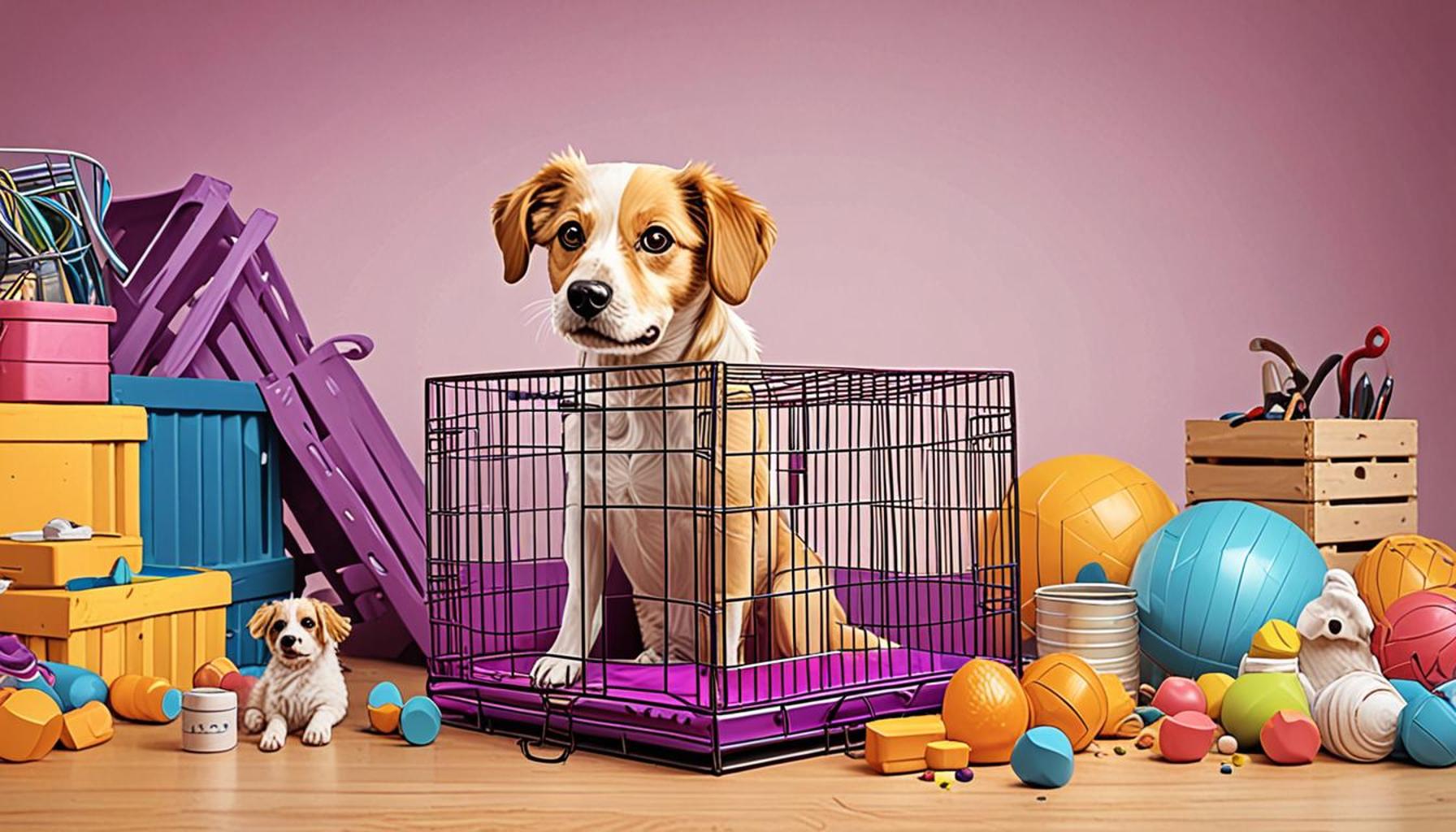
Crate training can significantly contribute to your dog’s comfort and security during travel. A crate serves as a safe haven for your pet, particularly when transitioning between different environments—whether it’s a hotel room, car, or airplane. Introduce your dog to the crate gradually, making it a positive space with treats, toys, and cozy bedding. Encourage your dog to spend time inside the crate, ensuring they have positive associations with it. Practicing short distances in the crate will help acclimatize your dog to longer travel periods, reducing anxiety and restlessness during trips.
Routine Practice of Car Safety
Ensuring your dog’s safety in the car is essential for peaceful travel. Start by introducing your dog to the vehicle, allowing them to explore it at their own pace. Gradually incorporate short drives, praising and rewarding them for calm behavior. If your dog tends to get anxious during car rides, consult with your veterinarian about possible solutions, such as calming products or medications. Additionally, investing in a durable seatbelt harness or a secured crate is a practical step, providing both safety and comfort during travel.
Exposing Your Dog to Different Travel Scenarios
Prior to embarking on a significant trip, consider exposing your dog to various travel scenarios. This includes:
- Different Modes of Transport: Train your dog for car rides, bus trips, and even train journeys.
- Hotel Stays: Arrange short visits to pet-friendly hotels to get them accustomed to new sleeping environments.
- Dining Experiences: Bring your dog to outdoor cafes to practice how they will behave in public places.
Each of these experiences can help your dog adapt and thrive in new situations, making travel less stressful for both of you.
By focusing on these foundational training aspects, you set the stage for enjoyable and stress-free travels with your pet. Remember that every dog is unique, and some may need more time than others to adjust to training routines. With patience, consistency, and love, your canine companion can become a well-trained travel buddy, transforming each journey into an adventure filled with joy and discovery.
Effective Training Techniques for Traveling with Your Dog
When planning to travel with your dog, the first step is to incorporate effective training techniques that ensure a smooth journey for both you and your furry companion. A well-trained dog can adapt better to new environments, making your travel experience more enjoyable. Here are some key training methods that can enhance your dog’s travel behavior.
1. Socialization
Socialization is crucial for your dog’s comfort during travel. Begin training early by exposing your dog to different environments, sounds, and people. This exposure helps to reduce anxiety and fosters adaptability. Take your dog to pet-friendly parks, busy streets, or markets where they’ll encounter various stimuli.
2. Basic Commands
Teaching basic commands like “sit”, “stay”, and “come” forms the foundation for good behavior. These commands can be particularly handy in crowded areas or unfamiliar locations. Ensure your dog responds reliably to these commands; practice regularly to reinforce their training.
3. Leash Training
A well-trained dog on a leash is essential for traveling. Begin by acclimating your dog to wearing a leash and collar. Use positive reinforcement to make leash walking enjoyable. It is important that your dog learns to walk beside you rather than pulling on the leash, ensuring safer adventures.
4. Crate Training
Crate training prepares your dog for safe transport. Familiarize your dog with their crate at home, making it a comfortable and safe space. A crate can help reduce anxiety and provide security during trips. This is especially useful for air travel or during long car rides when a safe space is necessary.
5. Practice Travel Scenarios
Before embarking on a long journey, practice travel scenarios with your dog. Take short car rides to help them get used to being in a vehicle. If you plan to use public transport, take your dog on brief outings to familiarize them with the new environment.
6. Prepare for the Unexpected
Training your dog to remain calm during unexpected events is also important. Use desensitization techniques to expose your dog to loud noises or sudden movements in a controlled manner. This helps them remain composed, ensuring a pleasant travel experience.Incorporating these training techniques into your routine will greatly enhance your dog’s adaptability and behavior while traveling. By investing time and effort into training, your dog will become not only a better travel companion but also a more well-rounded pet overall.
LEARN MORE: Click here to discover more about emotional challenges in pet adoption
Socialization: The Key to a Well-Behaved Travel Buddy
As any seasoned traveler with a canine companion will tell you, socialization is crucial for a dog to thrive during travel. By exposing your dog to various people, animals, and environments while they are still young or when you first bring them home, you can help them adapt more easily to new situations. Proper socialization will result in a calmer, more confident dog capable of enjoying all aspects of your adventures together.
Interacting with Other Dogs and People
Introduce your dog to a variety of breeds and personalities. Visiting dog parks provides a great opportunity for your dog to meet new friends while learning to interact appropriately. Encourage your dog to play with both small and large breeds, under supervision to maintain safety. Additionally, invite friends over or visit family members, especially those with friendly pets. This exposure to different types of interactions will reduce the likelihood of anxiety or aggression in unfamiliar travel situations.
Visiting New Environments
As with any traveler, acclimatizing your dog to various environments is essential. Expose your dog to different environments, ranging from busy urban areas to serene nature settings. Start with short walks in energetic locations, gradually increasing exposure to potentially overwhelming situations like crowded festivals or bustling farmers’ markets. With each positive encounter, you will build your dog’s confidence and reduce fear of the unknown, paving the way for smoother travel experiences.
Familiarizing with Sounds and Scents
Travel often introduces new sounds and scents that can be disorienting for dogs. To help your furry companion adapt, play recorded sounds of traffic, trains, or airplanes at home, gradually increasing the volume over time. Pair the noise with enjoyable activities, such as playtime or treat-giving, to create lasting positive associations. For scents, take your dog on walks through different neighborhoods or environments, allowing them to experience a broad spectrum of smells. This will not only enrich their daily lives but will also decrease their anxiety during travel by familiarizing them with new scents they may encounter away from home.
Establishing a Travel Routine
Dogs thrive on routine. Establishing a consistent schedule when traveling can help your pet feel secure and stable amidst the chaos of new experiences. Regardless of your location, maintain certain routines related to feeding, bathroom breaks, and exercise. For example, if you usually shorten your dog’s walks in unfamiliar areas, implement breaks to explore, stretching their legs and allowing them to adjust to their new surroundings. A familiar routine amidst changes can create a sense of normalcy, making your dog feel more at ease on the journey.
Positive Reinforcement and Patience
Throughout the training process, using positive reinforcement is very effective in encouraging desirable behaviors. A simple “good dog” and a treat can go a long way in shaping behavior, creating positive associates with new experiences. It’s important to exercise patience, allowing your dog to learn at their own pace while celebrating their small victories. Remember that consistency is vital; frequent, short training sessions will build trust and reinforce learning, transforming your furry friend into not only a travel companion but a cherished partner.
Through socialization and the establishment of routines, you’ll set your dog up for a successful travel experience. Understanding your dog’s instincts and providing a supportive framework will significantly enhance both their quality of life and yours, ensuring every trip is not just a journey, but also a delightful adventure together.
DIVE DEEPER: Click here to discover effective training techniques
Conclusion: Elevating the Travel Experience with Your Dog
In conclusion, the journey of training your dog to be a better travel companion is one of patience, consistency, and love. By focusing on socialization, establishing a reliable routine, and reinforcing positive behaviors, you not only prepare your furry friend for new adventures but also enhance the quality of your shared experiences. The process requires dedication, as each pup learns at their own pace, but the rewards of well-behaved, confident travel companions are immeasurable.
As you plan your next getaway, remember that every interaction, sound, and new environment contributes to your dog’s adaptability. Take the time to gradually introduce your pet to different situations and environments, enriching their world while decreasing potential travel anxieties. Incorporating fun into the training through games and treats will help your dog associate travel experiences with joy rather than stress.
Ultimately, your commitment to understanding and nurturing your dog’s needs fosters a lasting bond. By cultivating a positive atmosphere around new experiences and rewarding good behavior, you prepare your canine partner not just for the road ahead, but for a lifetime of adventures by your side. Many resources, dog training classes, and online communities are available to support you in this rewarding journey, ensuring that you and your dog enjoy each journey together, making memories that will last a lifetime.