How to Train Your Cat to Use a Litter Box
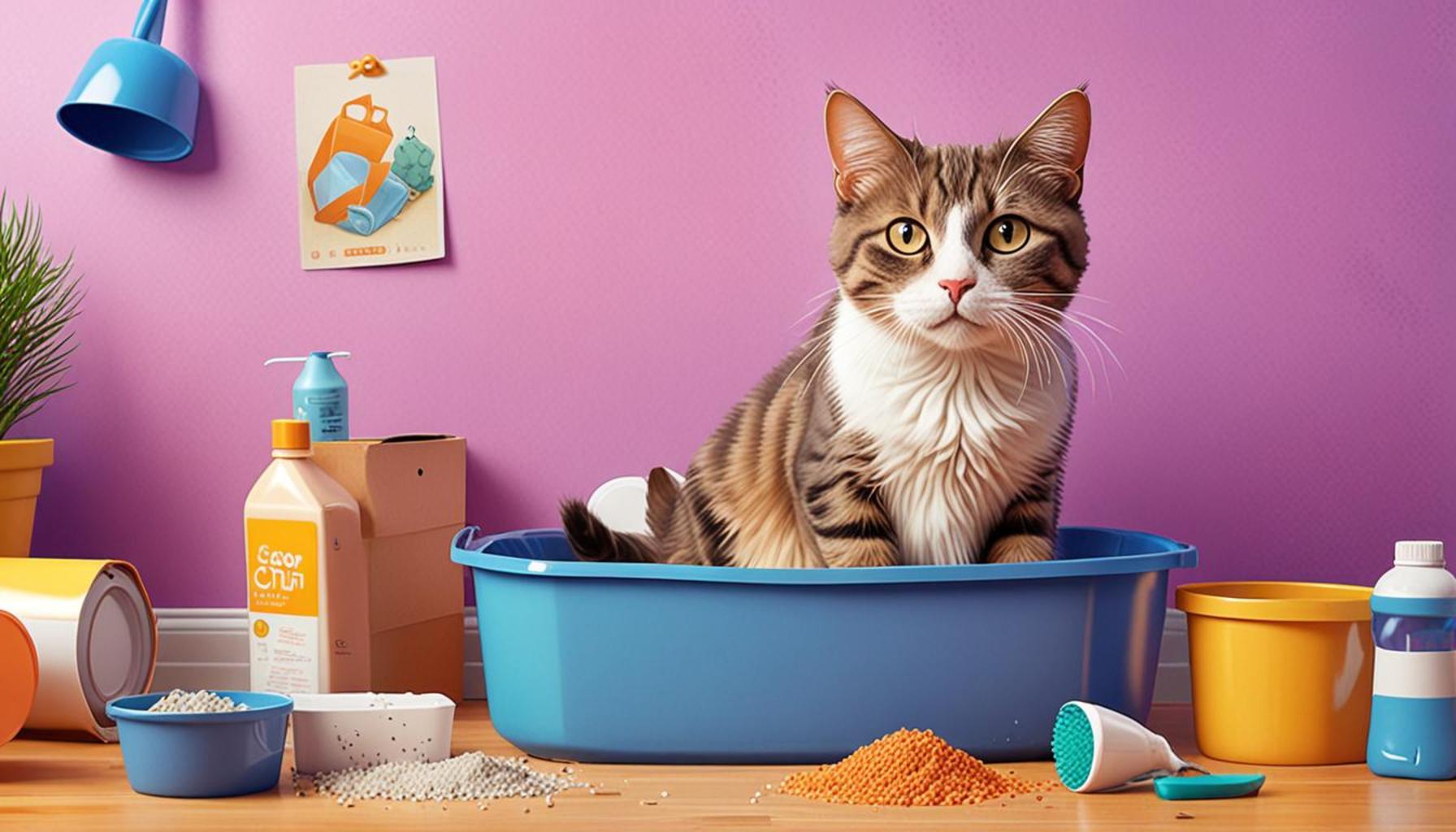
Understanding Litter Box Training
Welcoming a new feline friend into your home is an exciting adventure, but it can also come with its challenges. One of the first hurdles to overcome is teaching your cat to use the litter box. Fortunately, with some patience and the right approach, this can be a straightforward process. Many new cat owners may find this training challenging, yet it is a crucial part of establishing a happy and healthy living environment for both pet and owner.
Why is Proper Litter Box Training Important?
Understanding the significance of litter box training can provide deeper insights into why it’s essential. Proper litter box habits are not merely a matter of convenience; they have far-reaching implications:
- Prevents accidents around your home. Cats are naturally inclined to bury their waste, and without proper training, they may choose inappropriate areas of your home, leading to stress for both of you.
- Promotes good hygiene for both you and your pet. Cat waste can harbor harmful bacteria and parasites. Regular litter box maintenance keeps your home clean and helps prevent health issues.
- Strengthens the bond between you and your cat. Establishing a strong, trusting relationship is vital for both of you. Successfully using the litter box contributes to your cat’s sense of security and comfort in their new environment.
Factors Influencing Litter Box Behavior
Before diving into the training steps, it’s crucial to consider several factors that can influence your cat’s litter box behavior:
- The type of litter you use. Cats can be quite particular about the litter. You might experiment with clay, clumping, and biodegradable options to see which your cat prefers.
- The size and location of the litter box. Ensure that you have a spacious box that is easily accessible. Cats often prefer a quiet, low-traffic area for their litter box.
- Your cat’s age and previous experiences with a litter box. Kittens usually learn quickly, but older cats may need a bit more time and patience if they’re transitioning from an alternative toileting method.
Each cat is different, and understanding their unique preferences is key. Relaxed and attentive supervision can transform the litter box into a favored spot for your cat. For instance, you can encourage your cat by placing them in the box after meals or play sessions, as cats often have a natural urge to go shortly after eating.
In this article, you will discover practical techniques and tips to ensure your furry companion masters the art of using the litter box. With the right guidance, you can lead to a harmonious living environment for both of you. As you embark on this journey, you’ll not only teach your cat essential skills but also foster a deeper connection with your feline friend.
FIND OUT MORE: Click here for vital tips on pet nutrition
Setting Up the Litter Box for Success
Successfully training your cat to use a litter box begins with the right setup. An appropriate litter box environment can significantly impact your cat’s willingness to adopt this behavior. Here are some practical steps to ensure you create the perfect preparation for your feline friend:
- Choose the Right Litter Box. Size matters! Your cat should have enough space to turn around comfortably. Ideally, choose a box that is one and a half times the length of your cat. For kittens, a smaller box is acceptable, but remember to upgrade as they grow.
- Select Appropriate Litter. Various types of litter cater to different preferences. Some cats prefer clumping clay that makes it easier to sift through waste, while others may feel more comfortable with natural or silicate litters. Pay attention to what your cat seems to prefer and adjust accordingly, as a content kitty is more likely to use the box.
- Maintain Cleanliness. A dirty litter box can deter even the most determined feline. It’s advisable to scoop the litter box at least once a day and perform a full clean weekly, replacing the old litter and washing the box itself. A clean environment encourages its use and helps instill a routine behavior for your cat.
- Location, Location, Location. Place the litter box in a quiet, low-traffic area where your cat feels safe. Avoid locations near loud appliances or heavy foot traffic—these can create anxiety and lead to reluctance in using the box. Consider a corner of a room or a dedicated area that your cat can access easily.
Initiating the Training Process
With the litter box set up correctly, the next step involves guiding your cat through the training process. Here are essential strategies to facilitate this transition:
- Introduce Your Cat to the Litter Box. After bringing your new cat home, introduce them to their litter box promptly. Gently place your cat inside the box after meals or playtime—a time when they are likely to need bathroom breaks. This association helps them recognize the box as the place to go.
- Use Positive Reinforcement. When your cat uses the litter box, shower them with praise or small treats. Positive reinforcement strengthens the behavior you want to encourage. Conversely, avoid punishing your cat for accidents; instead, observe and redirect them to the box in the future.
- Monitor Their Progress. Keep an eye on your cat’s habits during the training phase. If they are consistently using the box, that’s a positive sign! However, if they are resisting, it may be time to reassess the environment and make necessary adjustments. Look for signs of stress, such as overeating or hiding, which may indicate discomfort with their setup.
Embarking on this training journey with your cat involves attentiveness and adaptability. Knowing how to effectively set up the litter box and initiate the training will not only streamline the process but also enhance your cat’s comfort and confidence in their new home. By following these steps, you’ll pave the way for a smooth transition to litter box use, leading to a more satisfying experience for both you and your feline companion.
Training your cat to use a litter box is a crucial step that contributes significantly to a harmonious home environment. Understanding the reasons behind this behavior can refine your approach, paving the way for a smoother training process.
First, it’s essential to select the right type of litter box. Cats can be discerning, and a box that is too high, too small, or lacking privacy may deter them from using it. Consider the size and accessibility of the box to ensure it meets your cat’s comfort needs. Open boxes may appeal to some cats, while others prefer a covered litter box for added seclusion.
Introducing your cat to the litter box is also a crucial step. Gently place your cat in the box after meals or playtime, as these times frequently lead to the urge to relieve themselves. Consistency is key; ensuring a routine will help your cat understand that the litter box is the designated area for their needs.
Additionally, you should keep the litter box clean. Cats instinctively avoid soiled areas, so regular cleaning is imperative. Removing clumps daily and changing the litter frequently will keep the box inviting for your cat.
Lastly, positive reinforcement is a powerful tool in cat training. Reward your cat with treats or affection after they successfully use the litter box. This conditioning not only reinforces good behavior but also builds a positive association with the litter box.
Recognizing and addressing the various factors surrounding your cat’s litter box habits is essential for effective training. By tailoring your approach, you enhance the likelihood of your cat embracing the litter box as their personal restroom, ensuring peace and cleanliness within your home.
| Training Method | Description |
|---|---|
| Choosing the Right Box | Select an appropriate size and style that suits your cat’s preferences. |
| Routine Establishment | Train your cat immediately after meals or playtime to create a pattern. |
| Positive Reinforcement | Encourage use with treats and praise to form a positive association. |
DISCOVER MORE: Click here to enhance your pet’s wellbeing
Common Challenges and How to Overcome Them
While training your cat to use a litter box can seem straightforward, various challenges might arise. Understanding these potential obstacles can help you address them effectively and keep the training process on track. Here are some common challenges and strategies to overcome them:
- Refusal to Use the Litter Box. If your cat is avoiding the litter box, it may indicate they are uncomfortable with the environment. Factors like the type of litter or box size could be influencing their reluctance. Experiment with different litters or consider a box with higher sides for more privacy. Additionally, ensure there are no stressors nearby, such as loud noises or other pets that may intimidate your cat.
- Frequent Accidents Outside the Box. Cats can occasionally have accidents due to stress, illness, or environmental changes. Monitor your cat’s behavior closely, as several medical conditions can lead to inappropriate elimination, such as urinary tract infections. If accidents become frequent, a visit to the veterinarian will help rule out any underlying health issues before reassessing the litter box situation.
- Using Multiple Boxes. Some cats prefer to have multiple litter boxes that they can choose from. A common recommendation is to have one more litter box than the number of cats in the household. For instance, if you have two cats, three boxes might minimize territorial disputes and give them ample options, leading to fewer accidents.
- Altered Preferences. It is not uncommon for cats to suddenly change their litter preferences after being accustomed to one type. If your cat begins refusing their original litter, experiment gently with different types until you find the one they find most appealing. Transitioning slowly, by mixing the new litter with the old, may help facilitate this change.
Advanced Techniques for Ensuring Success
If you have laid the groundwork and still find yourself facing challenges, consider incorporating advanced techniques to reinforce the litter box training:
- Clicker Training. Clicker training can be an effective method for guiding behaviors in pets. Using a clicker to signal to your cat when they successfully use the litter box can provide a clear, positive experience that reinforces the behavior. Pair the click with treats to create a strong association.
- Schedule Scheduled Bathroom Breaks. Establishing a routine can be helpful for younger cats or those not yet comfortable with using the litter box independently. Let your cat out after meals, play sessions, or when they seem to circle in search of a spot. These scheduled breaks can set the stage for consistency and success over time.
- Reduce Stressors. Cats are sensitive creatures, and changes in their environment can increase anxiety. Consider any recent shifts, such as moving homes, new family members, or loud construction noise nearby. Ensuring a calm atmosphere can be crucial in encouraging your cat to view the litter box as a safe space.
By understanding potential challenges and employing advanced training techniques, you can make substantial strides toward effectively training your cat to use the litter box. With patience and responsiveness to your cat’s cues, you’ll create a seamless transition for your furry friend into litter box routine, ensuring a peaceful home environment for all.
LEARN MORE: Click here for insights on feline socialization
Final Thoughts on Training Your Cat
Training your cat to use a litter box is a rewarding endeavor that requires patience, understanding, and a few strategic techniques. By establishing a positive litter box experience, you create an environment where your feline friend can feel safe and comfortable adhering to their bathroom routine. Throughout this training process, be attuned to your cat’s unique preferences and behaviors, as each cat may respond differently to various types of litter, box designs, and environmental factors.
As highlighted, addressing common challenges—such as reluctance to use the box, accidents, and changing litter preferences—will set you up for success. Employing advanced techniques like clicker training or establishing scheduled bathroom breaks can further refine your approach when necessary. A meticulous observation of your cat combined with a stress-free atmosphere will make it easier for them to adopt this essential habit.
Remember, the journey to litter box mastery is not just about the act itself but also about ensuring your pet’s overall well-being. By creating a consistent training routine and offering your cat patience and encouragement, you’ll foster a strong bond with your furry companion. In time, not only will you enjoy a litter-trained cat, but you’ll also cultivate a serene living space where both pet and owner can thrive. With these insights and methods, you can continue to explore the myriad of ways to enhance your cat’s life and ensure a harmonious household.