How to Train Your Bird to Enjoy Bath Time
Understanding Your Bird’s Bath Time Preferences
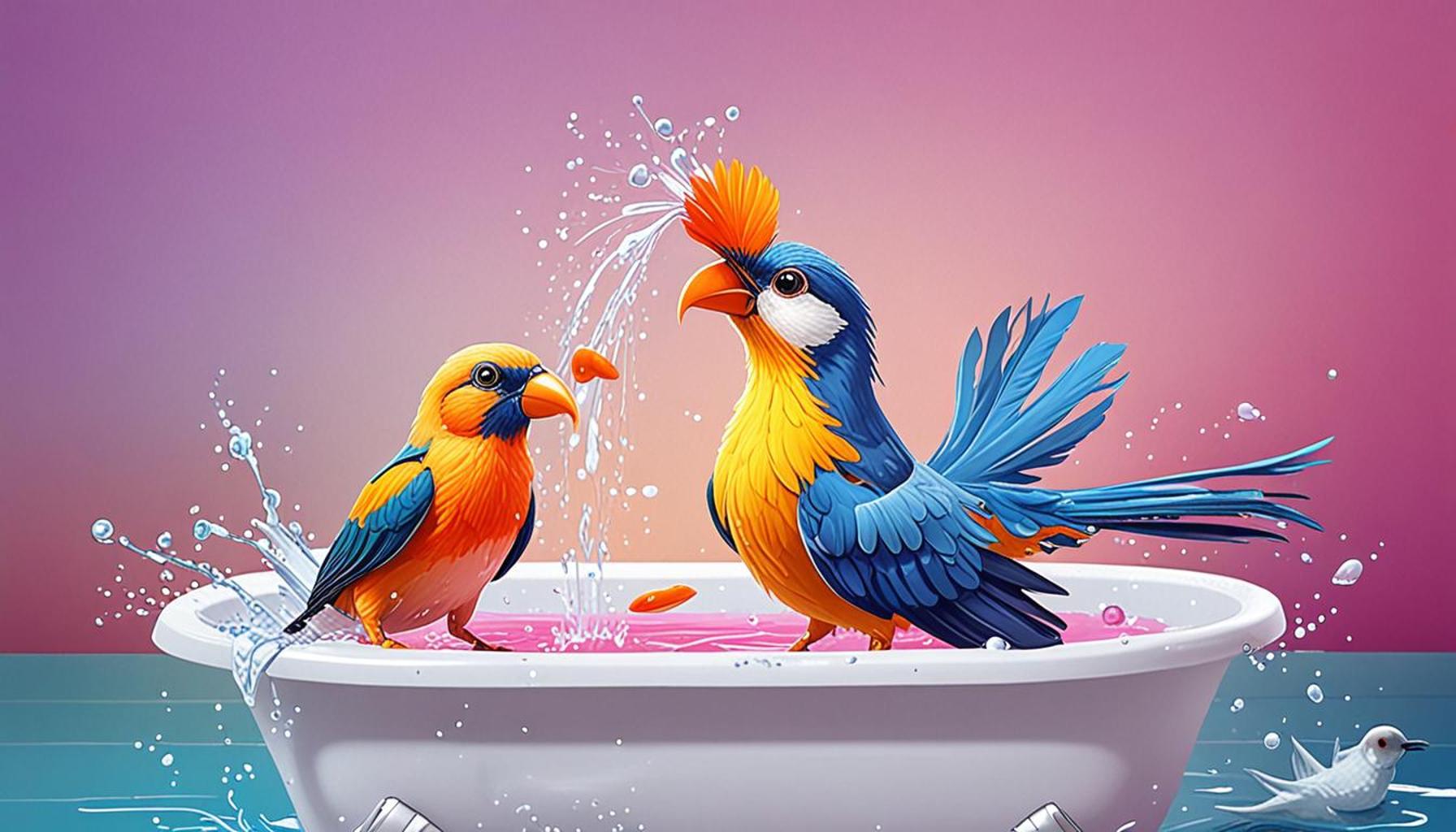
Transforming bath time into a joyful experience for your bird can seem daunting, especially if your feathered friend is resistant to water. However, with the right approach, you can make this ritual a delightful moment for both you and your pet. Many birds, particularly species like cockatiels, budgerigars, and lovebirds, have an inherent love for water, while others, such as some parrots and finches, may need encouragement. Recognizing and catering to your bird’s specific preferences is crucial for fostering a positive association with bath time.
Water Temperature Matters
Water temperature is one of the most critical aspects to consider. Birds generally prefer lukewarm water, roughly around 85 to 95 degrees Fahrenheit. Extreme temperatures can shock them and lead to stress. As you prepare bath time, test the water with your wrist to ensure it’s comfortable. Avoid ice-cold water, as it can discourage your bird from playing and bathing altogether. Instead, a gentle introduction to warm water can spark curiosity and excitement, transforming bath time into a stimulating experience.
Choosing the Right Bathing Method
The method of bathing can significantly impact your bird’s willingness to enjoy the process. While some birds revel in a light mist from a spray bottle, others may find happiness in a shallow dish filled with water or a small indoor bird bath. Creating an inviting environment can entice hesitant bathers. You might opt for a ceramic dish that allows for splashing or a soft misting from a fine spray bottle that mimics the gentle rain they would encounter in their natural habitat. Experimenting with different methods can uncover what truly excites your bird.
Establishing a Bathing Routine
Frequency plays an essential role as well; establishing a regular bathing routine can help your bird associate water with positivity. Consider bathing your bird at least two to three times a week, but remain attentive to their individual preferences. Just like people, some birds look forward to a daily splash, while others may prefer less frequent encounters. Adjusting the schedule based on your bird’s behavior can enhance the overall experience, making each bath an anticipated event rather than a chore.
Incorporating fun, bird-safe toys like small floating balls or vibrant plastic mirrors during bath time can also enhance your bird’s enjoyment. The playful interaction can turn an ordinary cleaning session into an engaging activity of frolic and exploration. By understanding the needs and preferences of your feathered companion, you are not just facilitating hygiene but also nurturing a deeper bond through shared experiences.
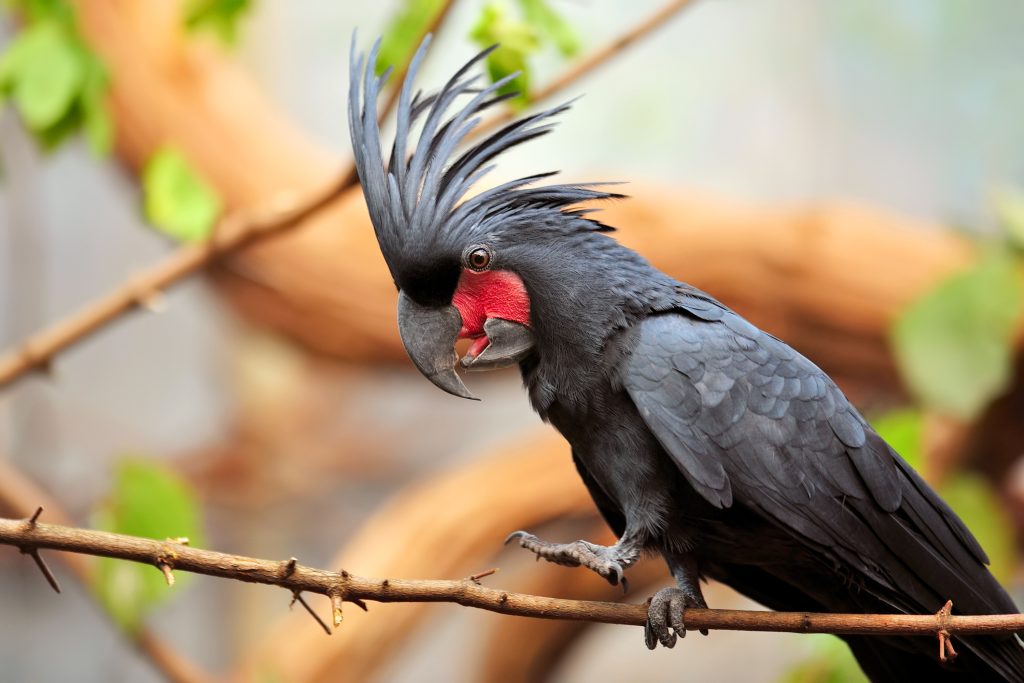
Ultimately, the journey towards making bath time enjoyable is filled with discovery and adaptation. With patience and attentiveness, every splash can become a cherished moment of play and connection. Your efforts will not only keep your bird clean but also contribute significantly to their emotional and physical well-being, ensuring a happy and healthy companion.
LEARN MORE: Click here for effective training techniques
Creating a Bird-Friendly Bath Environment
To successfully train your bird to enjoy bath time, it’s essential to create an environment that’s not only safe but also appealing. Birds thrive in spaces that replicate their natural habitat, and when it comes to bathing, this is no exception. The right atmosphere can make all the difference between a reluctant participant and a joyful splasher.
Location, Location, Location
The location where you choose to bathe your bird is pivotal. Selecting a quiet area that is free from disturbances will help your bird feel secure. Birds can be sensitive to loud noises or sudden movements, so setting up a bathing station in a calm corner of your home can encourage relaxation. Indoors, consider a warm bathroom setting or, if the weather permits, a shaded outdoor space where your bird can enjoy the thrill of nature along with the splash of water.
Bath Time Accessories
Incorporating accessories can enhance your bird’s bathing experience. Here are a few items you might consider adding:
- Bird-safe dishes: Shallow, wide containers made from non-toxic materials offer plenty of room for splashing.
- Spray bottles: Fine mist spray bottles are ideal for a gentle shower, simulating the natural feel of rain.
- Floating toys: Small, colorful toys can stimulate curiosity and encourage playful interaction during bath time.
As you introduce these accessories, observe your bird’s reactions. Some birds may show an immediate interest, while others might need more time to explore their new surroundings.
Positive Reinforcement Techniques
Training your bird to associate bath time with positive experiences is vital. Using positive reinforcement techniques can cultivate pleasure and eagerness during bath time. Treats can play a significant role in this process; small morsels of favorite snacks can be offered before, during, and after bath time to praise your bird’s curiosity or bravery. Effective treats include unsalted seeds, tiny pieces of fruits, or vegetables, which can serve as both rewards and enjoyable bath companions.
Allowing Independence
While guiding your bird through the bathing process is important, it’s equally crucial to allow independence. Birds have an innate sense of how to bathe; let them take the lead in exploring the water. Whether they choose to dip a toe or frolic in the suds, giving them the freedom to engage at their comfort level can foster a sense of security, leading to more positive experiences over time.
The key to transforming bath time into a delightful ritual lies in understanding your bird’s personality and preferences. By creating a bird-friendly environment coupled with positive reinforcement, you not only facilitate cleanliness but also strengthen the bond you share with your feathered companion. With patience and a tailored approach, bath time can grow from a routine obligation into an adventure filled with splashes and joy.
| Category | Key Features |
|---|---|
| Positive Reinforcement | Encourages trust and makes bath time enjoyable for your bird. |
| Routine Establishment | Creates familiarity and reduces stress during bath time. |
| Choosing the Right Bath | Provides comfort through various types of baths such as shallow bowls or misting. |
| Observation and Patience | Understanding your bird’s preferences can lead to a positive bathing experience. |
Birds inherently have different reactions to water, meaning that training them to enjoy bath time can vary significantly. One approach is utilizing positive reinforcement, where rewarding your bird for any attempt to get into water fosters both trust and enthusiasm. This method aligns well with numerous studies advocating for a gentle and loving approach in animal training.Creating a structured routine for bath time not only helps to ease anxiety but also builds comfort through predictability. Birds can thrive in well-established schedules, and you might notice them looking forward to their bath days. Furthermore, selecting the appropriate type of bath is crucial. Whether it’s a shallow bowl or gentle misting, the goal is to find what makes your bird most comfortable. Remember, keen observation combined with patience is essential; this will help you adapt your techniques based on your bird’s reactions and specific needs. Understanding their behavior can turn bath time into a cherished bonding experience.
LEARN MORE: Click here for insights on emotional challenges in pet adoption
Understanding Your Bird’s Preferences
A deeper knowledge of your bird’s specific preferences can significantly enhance the bath time experience. Every bird has unique behaviors, temperaments, and likes or dislikes when it comes to water, which play a crucial role in how you approach training them to enjoy bathing. Observational skills will help you glean insights into their natural inclinations.
Observing Body Language
Your bird’s body language during interactions can provide profound insight into their comfort levels with water. Look for signs of enthusiasm, like fluffing feathers or hopping closer to the water source, and also keep an eye out for any signs of distress, such as flapping away hastily or turning away from the water. Understanding these cues will guide you in tailoring the experience to their comfort zone. If your bird shows initial apprehension, avoid forcing them into the bath, as this could instigate fear and a negative association with bath time.
Experimenting with Water Temperature
The temperature of the water can also affect your bird’s willingness to engage in bath time. Birds often prefer lukewarm water as it closely mimics the natural environments they would encounter in the wild. An overly cold or hot bath can deter them from even trying. To find the perfect temperature, test the water with your wrist to gauge if it’s inviting. Once the right temperature is discovered, most birds may exhibit increased interest, transforming a routine event into a playful occasion.
Timing is Key
Establishing a consistent routine can also play a critical role in training your bird to enjoy bath time. Birds thrive on routine, and timing your sessions can make a world of difference. Choose a time of day when your bird is most active and curious—typically in the morning or during longer daylight hours. This method not only aligns the bath time with your bird’s natural energetic periods, but also encapsulates the feeling of play, turning a simple bath into a form of recreation.
Offering Varieties of Bathing Options
Diversity in bath options can also cater to your bird’s unique needs and preferences. In addition to traditional water bowls, you can introduce a variety of methods such as a shower perch that enables them to enjoy a gentle spray, or a bird bath designed to be placed safely in their enclosure. Some birds may even relish a light splash from running tap water or a soft mist. Making bathing a multi-faceted experience not only keeps your bird engaged but also encourages exploration and comfort with different water sources.
As you navigate the intricacies of providing a bath time routine, remember that patience is key. Each bird has individual preferences and comfort levels, making it essential to adapt techniques based on their responses. By working through these factors, you can turn the mundane task of bathing into an enriching experience that both you and your bird will cherish. The journey of teaching your bird to embrace bath time can become a rewarding endeavor that strengthens your bond while ensuring their hygienic needs are met.
LEARN MORE: Click here for essential tips
Conclusion
Successfully training your bird to enjoy bath time is an enriching journey that not only satisfies their hygiene needs but also strengthens the bond between you and your feathered friend. By focusing on key elements such as observing their body language, experimenting with water temperature, and establishing a consistent routine, you create an environment that promotes comfort and security. Make bath time an enjoyable experience by offering a range of bathing options, allowing your bird to choose what feels right for them.
Understanding your bird’s unique preferences is essential; every bird is different and may have specific likes or dislikes that shape their bath time experience. Be patient and mindful of their responses as you adjust your approach. Remember, the goal is to foster a positive relationship with water, turning it from a mere chore into a fun activity. As you implement these strategies, you may find yourself enchanted by the playful antics of your bird during bath time.
As you embark on this delightful training process, consider documenting your bird’s progress or sharing your experiences with fellow bird enthusiasts. Engaging with a community can not only provide support but also lead to new insights that further improve your bird’s bathing experience. Ultimately, creating a positive bath time routine is not just about cleanliness; it’s about enhancing the overall quality of life for your cherished companion.