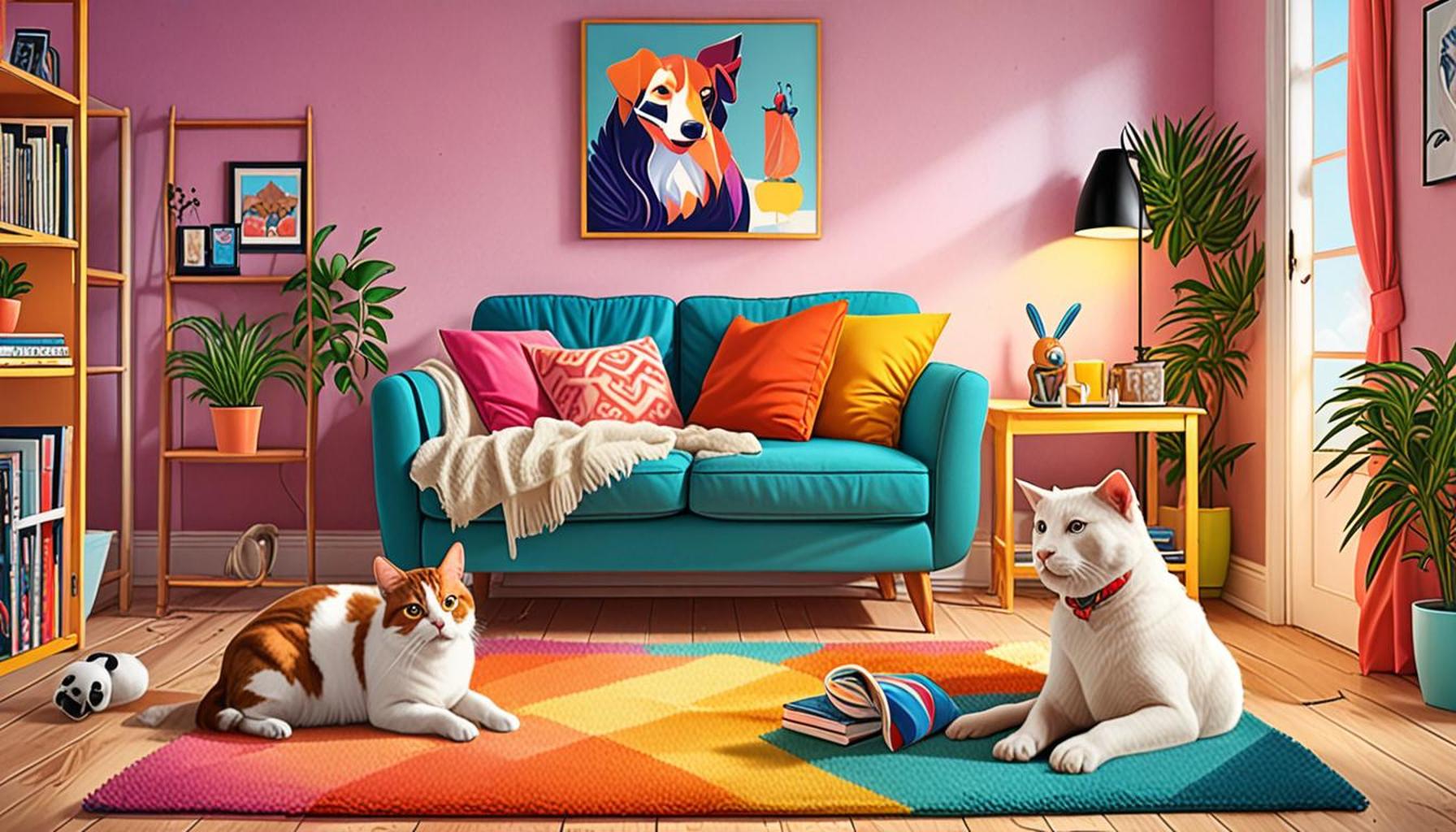
How to choose the ideal pet for your family during adoption

Understanding Your Family’s Needs
Choosing a pet is an exhilarating journey, filled with numerous options that can significantly impact your family dynamics and lifestyle. As you embark on this adventure, it’s essential to consider not just your preferences but also the specific needs of every family member.
Assessing Family Size and Dynamics
One of the first considerations is family size. A household with several children may benefit from the energetic companionship of a dog, while a smaller family might find a cat to be a more suitable companion. For instance, larger breeds like Golden Retrievers or Labradors are often wonderful with kids, providing loyalty and protection as well as high energy for playtime. In contrast, smaller breeds may be less overwhelming for younger children and can be a safer choice.
Age Considerations
The age of children within your home also plays a pivotal role in pet selection. Young kids may be too energetic for delicate breeds, while a family with teenagers might be ready for the responsibility of a more demanding pet. For example, teenagers can take care of walking a dog and participating in its training, which fosters accountability and responsibility. In contrast, animals like guinea pigs or fish can be less demanding and are excellent for younger children learning about pet care.
Family Lifestyle and Activity Level
Consider your activity level as a family. Are weekends filled with outdoor activities like hiking or sports? If so, an active dog might be a perfect fit. Breeds like Border Collies or Australian Shepherds thrive in energetic environments. However, a more laid-back family might prefer the easy-going nature of a mature cat or a small pet such as a rabbit, which can adapt well to a quieter home.
Health Considerations
Another vital aspect is allergies. Be mindful if anyone in your family has sensitivities to pet dander. Breeds such as Poodles or Bichon Frises are known for being hypoallergenic, making them suitable options for sensitive households.

Time and Space Commitment
Think about your family’s time commitment. Pets require attention and nurturing, and some, like dogs, need regular training and socialization. It’s essential to evaluate whether your family is ready to invest the time necessary for proper care. Space also plays a significant role; if you live in an apartment, a smaller breed or a pet like a rabbit or hamster might be ideal due to their limited space requirements. In contrast, a house with a yard could accommodate larger pets, providing them sufficient room for play and exercise.
Conclusion
Exploring these aspects carefully will guide you toward choosing a pet that fits seamlessly into your family life. Adopting a pet is not just about acquiring an animal; it’s about enriching your household with love, companionship, and learning opportunities. By evaluating family dynamics, ages, activity levels, health considerations, and your living space, you can pave the way for a rewarding experience that benefits both your family and your future furry (or scaly) friend.
LEARN MORE: Click here for practical tips on responsible pet adoption
Evaluating Your Lifestyle and Environment
Creating a harmonious home with a new pet goes beyond just selecting an animal that’s cute or popular; it’s about considering how your lifestyle and environment will impact the pet’s happiness and wellbeing. Each pet has unique requirements that must align with your family’s routine and living situation.
Daily Routine and Commitment
Understanding your daily routine is crucial when choosing a pet. For example, if your family is frequently on the go or has long work hours, a pet that requires less hands-on interaction, such as a fish or reptile, might be a better fit. On the other hand, if there are ample hours available at home, such as remote work setups or stay-at-home parents, dogs or cats can thrive on the companionship and engagement they receive.
Living Space and Environment
Assessing your living space is another pivotal factor in making an informed decision. If you reside in a compact apartment, a smaller pet that doesn’t require extensive outdoor space might work well. Here are some considerations:
- Small Dogs or Cats: Breeds like Dachshunds or Shih Tzus can adapt to smaller living conditions.
- Indoor Pets: Rabbits and guinea pigs appreciate the indoors and can live happily in cages or pens, provided they receive daily social interaction.
- Exercise Needs: Some pets, like Greyhounds, surprisingly need less exercise than one might expect, making them excellent apartment companions.
Pet Care Knowledge and Experience
Your family’s knowledge and experience with pets also influence which type is best for you. Families new to pet ownership might want to start with animals that are less demanding and more forgiving. For instance, fish or hamsters can be ideal entry points, providing a learning curve without overwhelming responsibilities. In contrast, seasoned families willing to invest time and energy can handle more complex pets, such as dogs that need regular training and socialization. Taking the time to learn about the pet’s needs can be valuable, so consider resources such as local animal shelters, online forums, or even pet care books.
Long-term Expectations
Lastly, when deciding on the perfect pet, think about the long-term commitment involved. Different pets have varying lifespans, from short-lived animals like hamsters (2-3 years) to long-lived species like turtles (which can live for decades). Ensuring your family is ready for this commitment is essential: consider the financial aspects of pet ownership, including food, veterinary care, and potential emergency costs, which could profoundly affect your family’s budget.
Being cognizant of lifestyle patterns, living conditions, knowledge levels, and expected commitments will play an integral role in identifying the right pet for your family during adoption. Tailoring your choices to these factors can lead to a successful and enriching relationship with a new furry or scaly family member.
Understanding Your Family’s Needs
When it comes to adoption, understanding your family’s lifestyle is crucial in choosing the ideal pet. Every family has unique dynamics, routines, and preferences, which can significantly influence your pet choice. Consider your family’s activity level—do you lead a busy, active lifestyle, or is your home more relaxed and quiet? Pets require varying levels of attention and exercise. For example, active families may thrive with a high-energy dog that enjoys long walks or runs, while a more sedentary family might prefer a calm cat or a smaller breed that enjoys lounging at home. It is also essential to assess the age of your children. Young children, for instance, may be better suited to tolerant and gentle breeds, while teenagers might enjoy a more active or independent pet.
The Importance of Size and Space
Additionally, consideration of your living space is paramount. Larger pets often require more space to roam and play, so homes without yards might not be compatible. Clarifying your space constraints can help in determining the size and breed of the pet that will best fit your environment.Small dogs or cats often adapt well to apartment living, while larger breeds typically need a backyard or open space. It’s vital to weigh the ongoing commitment of having a pet against the physical requirements they have for a happy and healthy life.
Research and Prepare
Before making a decision, take the time to research various breeds and their characteristics. Different pets come with different grooming, health care, and social needs. Some breeds have specific temperamental and behavioral traits that make them better suited for children or families with certain lifestyles.Visit local shelters and speak with them about the types of pets that would make a good addition to your family. Observational visits allow you to see how different animals interact with human family members.Exploring adoption options not only assists you in finding a perfect match but also provides a loving home to animals in need. Instead of just focusing on the appearance of a pet, wherever possible, prioritize examining for temperament and compatibility with your family’s lifestyle. Remember, this decision can lead to a lasting relationship and familial bond.
| Category | Description |
|---|---|
| Activity Level | Helps identify high-energy vs. low-energy pets suitable for your family |
| Space Requirements | Determines viable breeds based on area for movement and play |
DON’T MISS: Click here for essential tips on pet travel accessories
Understanding Pet Characteristics and Temperament
Once you have evaluated your lifestyle and environment, the next step to selecting the ideal pet involves a thorough understanding of the characteristics and temperament unique to different species, breeds, and individual animals. This understanding is vital, as each type of pet comes with its own set of needs and behavioral quirks that will not only influence their adaptability within your home but also impact your family dynamics.
Energy Levels and Activity Requirements
Different pets possess varying energy levels that correlate with their breed characteristics and individual personalities. For instance, a high-energy breed like the Border Collie requires significant time spent engaging in play and exercise, making them ideal for active families. Conversely, less active breeds or pets, such as the Bulldog or the Persian cat, typically enjoy lounging around and need less outdoor time. According to the American Kennel Club, ensuring that your potential furry friend matches your family’s dynamics regarding activity levels is crucial for maintaining harmony.
Temperament and Behavior
Understanding the fundamental temperament traits of different pets can also help in making your selection. For example, some dog breeds are known for their loyalty and protective instincts, while others may be more independent. Breeds like Golden Retrievers and Labrador Retrievers are often highlighted for their friendly and social behaviors, making them great choices for families with children. Cats, on the other hand, can display a range of temperamental styles from the social and playful to the solitary and reserved. Researching and spending time with potential pets at local shelters can give you a firsthand look at their personality, helping you make a more informed decision.
Age Considerations
The age of a pet can significantly affect its suitability for your family. Puppies and kittens require extensive training, socialization, and energy from all family members to help them adapt and grow positively. On the other hand, older pets often come with the benefit of eagerly seeking forever homes and may already be trained, making them a manageable choice for busy families. The ASPCA suggests considering adopting an older pet if you’re looking for a companion ready to settle and bond quickly, as they can also be just as affectionate and loving.
Health Concerns and Breed-Specific Needs
Different breeds often come with breed-specific health concerns that should not be overlooked when choosing the right pet. For example, Bulldogs may suffer from respiratory issues due to their flat faces, while certain larger dog breeds may be prone to hip dysplasia. Similarly, some cat breeds, such as the Maine Coon, can be susceptible to specific genetic health conditions. Familiarizing yourself with these potential issues can prepare your family both emotionally and financially for the responsibilities of pet ownership.
In sum, gaining a deeper understanding of pet characteristics and temperament is fundamental in finding the perfect companion for your home. Each pet boasts distinct personalities and requirements, all of which can shape the enriching interactions you will experience together as a family.
DIVE DEEPER: Click here to learn more about your feline’s feelings
Conclusion: Finding Your Perfect Pet Match
Choosing the ideal pet for your family during adoption involves more than just selecting a cute face; it requires a thoughtful consideration of your family’s lifestyle, preferences, and responsibilities. As we’ve explored, understanding pet characteristics and temperament is essential in making a choice that benefits both you and your future companion. Energy levels, age, personality traits, and health concerns play pivotal roles in ensuring harmony at home.
Adopting a pet can be an incredibly rewarding experience, providing unconditional love, companionship, and countless shared moments. However, it is also a long-term commitment that requires dedication and adaptability. Families should keep in mind that older pets, often overlooked at shelters, can bring just as much joy and less training demand, making them an appealing option. Furthermore, familiarizing yourself with breed-specific health concerns can better prepare you for the journey ahead, allowing for an informed and responsible decision.
Take the time to visit local shelters and interact with potential pets to discover their unique traits firsthand. By engaging in this process, you not only enrich your family’s life but also give a deserving animal a second chance at happiness. Remember, the ideal pet should not only fit into your home; they should also complement your family’s dynamics and values. By taking a comprehensive approach, you can ensure a fulfilling bond that lasts a lifetime.