Emotional Challenges in Pet Adoption Navigating Adoption Stress

Understanding the Complexity of Pet Adoption
Adopting a pet can be one of the most rewarding experiences in life, yet it is often accompanied by a multitude of emotional challenges. Prospective pet owners may find themselves grappling with concerns about long-term commitment, potential behavioral issues, and the adjustment period for both the pet and their family. As the number of shelter animals continues to rise, addressing these challenges is crucial for fostering successful adoptions.
Why Emotional Challenges Matter
The emotional landscape of pet adoption not only impacts the adopter but also affects the well-being of the animal. Understanding these challenges can lead to better outcomes for both parties involved. Some key aspects include:
- Anticipation and Anxiety: The excitement of bringing home a new pet can be clouded by nerves about acclimating to a new environment.
- Adjustment Period: Both pets and humans need time to adapt, which can lead to stress and frustration.
- Fear of Failure: Many adopters worry about their ability to provide a suitable home, encounter behavioral issues, or even face the possibility of returning the pet.
In this article, we will explore the top five emotional challenges that arise during the adoption process. We aim to equip potential adopters with valuable insights, helping them embark on a journey that is as fulfilling as it is transformative.
Top 5 Emotional Challenges in the Pet Adoption Process
Adopting a pet is a heartfelt decision driven by the promise of unconditional love and companionship. Yet, the path to creating a forever home is often paved with emotional complexities. Every stage, from embarking on the adoption journey to integrating a new pet into the family, presents unique challenges that test the emotional resilience and commitment of the adopter. Here we delve into the top five emotional challenges encountered in the pet adoption process and offer insights to navigate each stage with empathy and understanding.
5. Overcoming Pre-Adoption Anxiety
The prospect of adopting a pet is exhilarating but can also be daunting, as potential adopters grapple with pre-adoption anxiety. This anxiety often stems from self-doubt about one’s readiness or capability to care for a new family member. Concerns may center around whether one can adequately provide for the pet’s needs, or fears about selecting a pet that matches their lifestyle. Such fears are further fueled by a lack of experience or misconceptions about the adoption process.
To ease these concerns, prospective adopters can take proactive steps. First, researching thoroughly about the specific needs of different types of pets can provide a realistic view of pet ownership. Speaking with seasoned pet owners can also yield valuable insights and prepare individuals for inevitable challenges. Moreover, volunteering at shelters can provide hands-on experience with animals, offering a direct sense of compatibility with different breeds and temperaments. By addressing anxiety with information and experience, adopters can approach the process with confidence and clarity.
4. Facing the Guilt of Animal Shelters
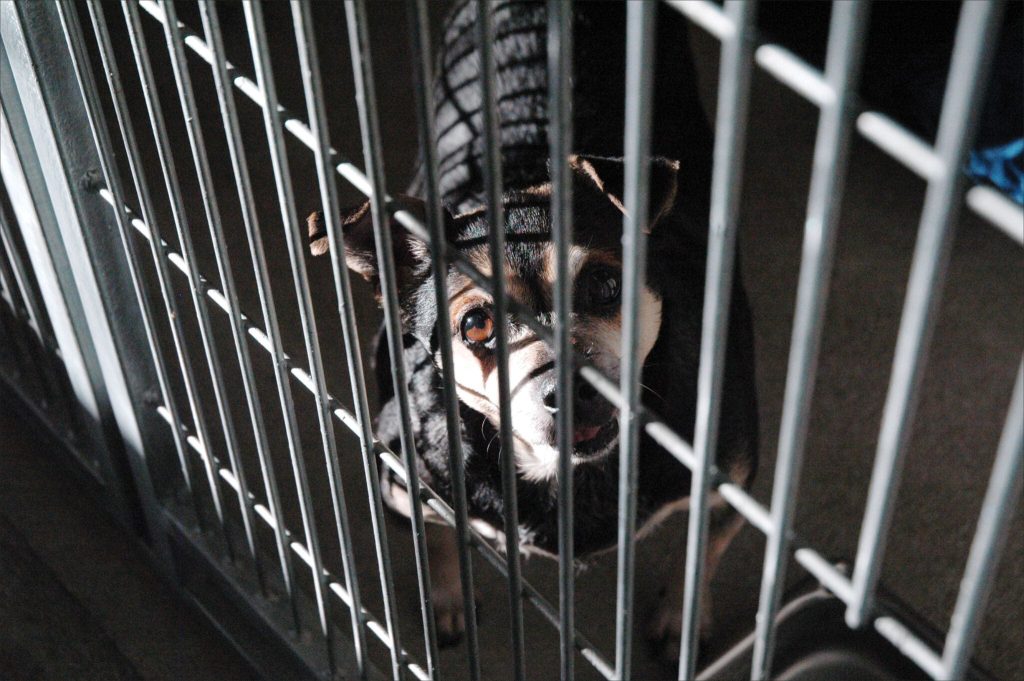
Walking into an animal shelter can be an emotionally overwhelming experience. Potential adopters are frequently met with a chorus of hopeful faces, each animal yearning for a place to call home. This situation can evoke deep feelings of guilt and sadness, primarily because adopters must choose one pet over many others who also need homes. The helplessness of leaving other animals behind can weigh heavily on the conscience.
However, it’s important for adopters to remember the importance of the life-changing decision they’re making. While choosing just one pet might feel insufficient among so many, providing a loving home to even one animal makes a significant difference. Furthermore, adopters can channel their guilty feelings into positive actions. Volunteering time at shelters, advocating for animal adoption in the community, and driving awareness campaigns are powerful ways to contribute to the broader cause. In doing so, adopters transform their guilt into actions that support multiple animals rather than just one, cultivating impactful change in the community.
3. Managing Initial Adjustment Periods
The initial days and weeks following the adoption mark a critical adjustment period for both the pet and the owner. This phase can be marked by excitement mixed with stress as everyone adapts to new routines and dynamics. Pets may exhibit signs of stress or fear, such as hiding, refusing food, or occasional accidents, while owners adjust to new responsibilities.
During this period, establishing a consistent daily routine can instill a sense of security and help reduce anxiety for both the pet and its new family. Consulting with trainers or behaviorists can also provide guidance on effective strategies to manage behavior and facilitate smoother transitions. Moreover, celebrating small victories, like successful potty training or learning a new command, can reinforce positive progress and help manage expectations. An understanding and patient approach not only strengthens the pet-owner bond but also lays a foundation for a thriving, long-term relationship.
2. Dealing with Emotional Bonding Challenges
Developing a strong emotional bond with a newly adopted pet is essential, yet it can be fraught with challenges. Some pets, particularly those from shelters or rescue situations, may carry past traumas or fears that manifest as trust issues. For adopters, this can be bewildering and disheartening, particularly if expectations of immediate affection and responsiveness are unmet.
Cultivating a deep bond requires patience and empathy. Allowing the pet to set the pace of interaction is paramount. Engaging in activities that are enjoyable for the pet, such as playing or gentle training exercises, encourages positive associations and promotes trust. It is also important for adopters to be attuned to their pet’s non-verbal cues, gradually building a nurturing and secure environment where the animal feels safe. Through understanding and mutual respect, adopters and pets can build a resilient and meaningful relationship over time.
1. Coping with Potential Future Loss
Perhaps the most profound emotional challenge faced by adopters is the eventual reality of loss. The knowledge that pets typically have significantly shorter lifespans than humans can loom large, casting a shadow of anticipatory grief even before the adoption is finalized. This aspect of pet ownership can be difficult to confront yet is an inevitable part of the journey.
To cope with these emotions, adopters can focus on creating lasting and joyful memories with their pets. Cherishing everyday moments, from playful antics to quiet companionship, builds a legacy of love and happiness. Adopters are also encouraged to seek support from pet-loss therapy groups or communities, where shared experiences provide comfort and understanding. For some, the treatment of their grief might involve fostering or adopting another pet in honor of their previous companion, perpetuating the cycle of love and care. By acknowledging the full spectrum of emotional experiences that come with pet ownership, adopters can cherish the profound bonds they build, knowing full well the depth of love they offered their furry friends.
In navigating these emotional challenges, adopters are better equipped to handle the diverse emotions that accompany the rewarding journey of pet ownership. Through understanding, preparation, and a commitment to nurturing a loving bond, they ensure their journey is as fulfilling for themselves as it is for their beloved pet.
| Category | Description |
|---|---|
| Emotional Attachment | Adopters often experience a deep emotional bond with their new pets, which can lead to feelings of joy but also anxiety over the pet’s welfare. |
| Anticipated Loss | Many individuals face the trauma of potential loss or abandonment after forming close attachments to their pets, which can hinder their readiness to adopt. |
| Integration Challenges | New pet owners often struggle with the integration process, as they navigate behavioral issues and how to create a welcoming environment for their pets. |
| Societal Expectations | Individuals may feel pressure from societal norms and expectations regarding pet ownership, which can exacerbate emotional challenges during the adoption process. |
The emotional landscape surrounding the adoption of pets is complex and multifaceted, deeply influencing the experience of adopters. The bond formed between humans and animals can lead to overwhelming joy, but it is essential to understand and navigate the potential emotional hurdles that accompany this journey.For instance, the emotional attachment that develops can swing from affection to anxiety quickly. While adopters relish the love and companionship their pets provide, many are also burdened with worries about the animal’s health and safety. This emotional dichotomy can foster a rollercoaster of feelings, leading to stress and concern that can spoil the joy of pet ownership.Moreover, another significant emotional challenge for potential adopters is the fear of anticipated loss. The idea of losing a beloved pet, whether due to illness or the possibility of returning the animal to a shelter, can be daunting for many. This fear often results in hesitation or refusal to adopt altogether, as adopters grapple with the idea of investing emotionally in an animal that may not be in their lives forever.Additionally, the integration of a new pet into an existing household can pose challenges that heighten emotional strain. Each animal comes with its own set of behaviors and needs, which can sometimes clash with the owner’s expectations or lifestyle. New adopters might find it difficult to create a harmonious environment, which can lead to frustration and a sense of helplessness.Finally, societal expectations can significantly impact the emotional experiences of potential adopters. The pressure to conform to certain ideals of pet ownership—such as having a perfectly trained dog or a playful kitten—can be overwhelming. This pressure often intensifies emotional challenges, as individuals may feel they are not meeting these unrealistic standards, detracting from the simple joy of companionship that pet ownership should provide. In navigating these emotional challenges, individuals can find insight and tools to approach pet adoption in a mindful and fulfilling manner. Understanding these components can foster empathy and patience, both towards oneself and the new furry family member, paving the way to a more rewarding adoption experience.
Frequently Asked Questions: Emotional Challenges of Pet Adoption
What are the common emotional challenges faced during pet adoption?
Adopting a pet can be a joyful and rewarding experience, but it also comes with emotional hurdles. Many adopters face feelings of uncertainty and anxiety about whether they can provide the right environment for the animal. Additionally, there is often an adjustment period where both the pet and the owner must adapt to each other’s routines and behaviors. These challenges can lead to stress, making it crucial for potential adopters to be prepared for the commitment and changes in lifestyle.
How can potential pet owners prepare for the emotional demands of adoption?
Preparation is key to managing the emotional aspects of pet adoption. Prospective pet owners should research the specific needs and characteristics of the species or breed they are interested in. Visiting shelters and speaking with adoption counselors can provide valuable insights. Moreover, reflecting on personal lifestyle, expectations, and motivations for adopting can help align them with the realities of pet ownership. Building a support system with friends, family, or local pet communities can also provide a buffer against potential emotional stress.
Why is adopting a pet considered an emotional decision?
Adopting a pet often involves a significant emotional investment. The decision is not just about providing a home for an animal but also about forming a bond that lasts a pet’s lifetime. This process can evoke a wide range of emotions, from excitement to anxiety. The commitment required, coupled with the potential for unexpected responsibilities, makes pet adoption more than a transactional decision; it is an emotional journey that can alter one’s daily life and priorities.
What role do emotional attachments play in the adoption process?
Emotional attachments are a fundamental aspect of the adoption process. They can develop before the physical adoption takes place, often beginning with the hope and excitement of bringing a new member into the family. Once the pet is home, these attachments can deepen, which can lead to strong emotional bonds. Such bonds are essential for the pet’s well-being and can enhance the owner’s life. However, forming these attachments takes time and patience as both parties learn to trust each other.
Can mental health support be beneficial during and after pet adoption?
Absolutely. Adopting a pet can bring about unexpected emotional challenges, and mental health support can be beneficial in navigating these changes. Counseling or therapy can aid individuals in coping with feelings of overwhelm or anxiety, especially during the initial adjustment period. Additionally, support groups specifically for pet owners can provide a sense of community and shared understanding, helping alleviate feelings of isolation that some new pet owners might experience.
Conclusion
The journey of pet adoption is filled with rewarding experiences but also presents significant emotional challenges. The decision to adopt a pet requires a deep commitment and an understanding of the multifaceted emotional landscape that comes with the process. Recognizing and addressing these challenges is essential to ensure a positive and enduring relationship between pet and owner.
One of the most profound aspects of pet adoption is the emotional readiness required from potential adopters. Having an awareness of the responsibility and changes that a new pet will bring into one’s life is crucial. Future pet owners must consider not only their lifestyle and schedule but also their emotional capacity to provide love and care.
The emotional bonds formed between humans and animals can be incredibly strong but are often accompanied by heightened emotions such as anxiety and the fear of loss. These feelings are natural and manageable with proper support and preparation. Acknowledging these emotions, potential adopters should also seek out community resources and networks that can provide guidance and reassurance throughout the adoption process.
The importance of the topic ‘Os Desafios Emocionais do Processo de Adoção de Animais de Estimação’ lies in raising awareness and providing insights into the emotional complexities involved in pet adoption. Understanding these aspects not only enhances the well-being of the animals but also enriches the lives of the adopters. Successfully navigating these emotional hurdles ensures that both pets and their human companions experience a fulfilling and harmonious coexistence.
In summary, while the emotional challenges of pet adoption are certainly significant, they are not insurmountable. With proper preparation and support, adopters can create a nurturing and loving environment for their new companions, leading to a rewarding relationship that benefits both human and animal alike. As society continues to grow more empathetic and understanding towards animal welfare, the emotional aspects of pet adoption increasingly take center stage, highlighting their vital role in fostering happy, healthy homes for all.