Step by Step of the Animal Adoption Process: What to Expect

An In-Depth Look at the Animal Adoption Journey
Adopting a pet can be a truly rewarding experience, filled with love and companionship. However, navigating the adoption process requires preparation and understanding. To help prospective pet owners, this step-by-step guide will illuminate the essential phases involved in adopting an animal, providing clarity and encouraging informed decisions.
As you embark on this heartfelt journey, it’s crucial to familiarize yourself with the key phases of adoption:
- Research: Start by exploring various animal types and breeds to identify which fits your lifestyle best. For instance, consider a golden retriever for a friendly and energetic family dog or a Siamese cat for a playful pet that thrives on interaction. Resources like breed-specific websites and pet care books can offer valuable insights into temperament, maintenance needs, and potential health issues.
- Choosing a Shelter: Investigating local rescue organizations or animal shelters is a vital step. The Humane Society and ASPCA are excellent places to start, but do not overlook small, community-based shelters. Each has its own approach and environment. Visiting these facilities not only helps you understand their method of care but also allows you to interact with the animals they have available for adoption.
- Application Process: Familiarize yourself with the necessary paperwork and screening procedures. Most shelters require a formal application, personal references, and sometimes even a home visit before granting approval. Being prepared can expedite this process and demonstrate your commitment to providing a safe and loving home.
- Meet-and-Greet: Taking the opportunity to interact with potential pets is a critical phase. Spend time engaging with different animals — observe how they respond to you and whether their energy levels match your lifestyle. This can be particularly enlightening; a shy dog may need time to warm up, while a bold kitten might jump into your lap eagerly.
- Adoption Fees: Be prepared for costs associated with the adoption process, including fees that often cover vaccinations, microchipping, and spaying/neutering. Understanding that these fees support the shelter’s continued efforts in animal care and rescue is important; they are often significantly lower than the cost of acquiring a pet from breeders or pet stores.
- Home Preparation: Finally, prepare your home for your new furry friend. This includes acquiring necessary supplies like food, toys, bedding, and safety equipment, such as baby gates or pet-proofing supplies. Creating a comfortable and safe environment is essential for easing your pet’s transition into your home.
Throughout this process, you will encounter unique experiences that deepen your understanding of animal welfare in the United States. Each step is thoughtfully tailored to prioritize both the pets’ well-being and your own readiness for this new responsibility.
By immersing yourself in this adoption guide, you’ll uncover valuable insights that will empower you to navigate the adoption process successfully. Ultimately, adopting a pet not only brings immeasurable joy and companionship to your life but also transforms the life of an animal in need. This life-changing decision carries the potential to enrich both your world and that of your new pet.
DONT MISS: Click here to discover effective dog training techniques
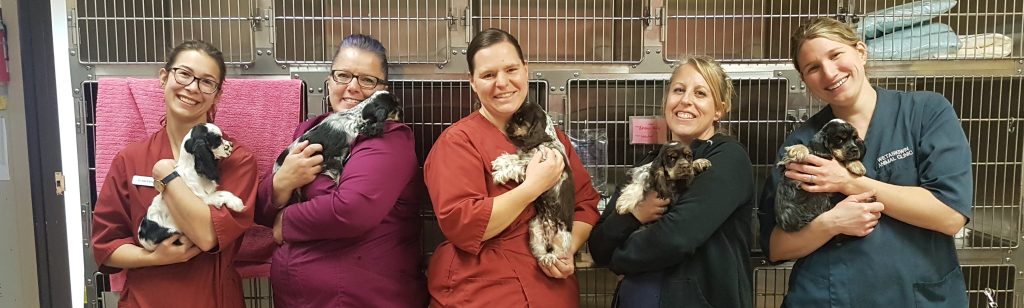
Understanding the Core Steps in Animal Adoption
Embarking on the journey of pet adoption is not merely a transaction; it is the beginning of a beautiful relationship filled with responsibility, care, and unconditional love. Understanding each phase of the animal adoption process equips you to make informed decisions that will benefit both you and your future pet. Below, we delve deeper into the critical steps that lay the foundation for a successful adoption experience.
Research: Finding Your Perfect Match
The first step in the adoption process involves comprehensive research. It is crucial to identify the type of animal that best fits your lifestyle. Consider aspects such as activity level, size, and temperament. For instance, active individuals or families might prefer a playful Labrador Retriever, while someone living in a smaller space may find that a low-maintenance cat or a smaller breed dog better suits their environment. Resources such as breed-specific websites, animal behavior books, and local shelters can provide valuable insights to help you narrow down your choices.
Choosing a Shelter: Where to Adopt
Not all shelters are created equal. Choosing the right shelter or rescue organization can critically impact your adoption process. Research local facilities to understand their philosophies and practices in animal care and rehabilitation. Major organizations like the Humane Society and the ASPCA may be well-known, but also consider smaller, community-based shelters that often have dedicated staff eager to match you with the right pet. By visiting these shelters, you can witness first-hand how animals are treated and learn more about their individual stories.
Application Process: What to Expect
The application process for adoption can vary from one shelter to another but generally includes several common elements. Most facilities require you to fill out a formal application that asks about your living situation, previous pet ownership experience, and how you plan to provide for the animal’s needs. Additionally, many organizations will seek personal references and may conduct a brief home visit to ensure a safe environment for the pet. Being well-prepared with these documents can significantly speed up the application process and demonstrate your genuine interest in providing a loving home.
Meet-and-Greet: Building Connections
This crucial step allows you to interact with potential furry companions. During a meet-and-greet, spend quality time with various pets to understand their personalities. Watch for interactions: do they seem shy or eager? Do they approach you or seem standoffish? This is also an opportunity for shelters to observe how you respond to the animals, assessing compatibility and social dynamics that can enrich your experience as a pet owner.
Understanding Adoption Fees: A Financial Perspective
Adoption fees are an essential component of the process and can range significantly depending on the shelter. Commonly, these fees cover vaccinations, spaying/neutering, and microchipping. Understanding that these fees help shelters continue their vital work in rescuing and caring for animals in need is essential. Compared to the costs associated with purchasing a pet from a breeder, adopting can be a more economical choice that prioritizes the welfare of animals.
With each of these steps, you are one step closer to welcoming a new companion into your home. Preparing thoroughly and understanding the process will not only set you up for success but also ensure a smooth transition for your new pet.
| Advantage | Details |
|---|---|
| Encourages Lifelong Companionship | Adopting a pet creates a bond that can last for years, providing emotional support and joy to both you and the animal. |
| Supports Animal Welfare | By adopting, you help reduce the number of homeless animals and promote responsible pet ownership, making a difference in your community. |
Understanding the steps of the animal adoption process can profoundly impact your experience. Initially, you’ll likely visit shelters or rescue organizations, where you can meet various animals awaiting homes. Pay attention to their behavior, and ask staff for insights on each pet’s background, health, and personality traits. Following this, a common step is completing an application form. Here, you may be asked about your living situation, experience with pets, and preferences.Once your application is reviewed, expect to undergo an interview or home visit. This process ensures a good match between you and the pet, fostering a suitable environment for the animal. After approval, the adoption finalization generally involves a fee, which often supports the shelter’s continued efforts to care for animals in need. As you embark on this journey, remember that your choice not only enriches your life but also embraces the responsibility of caring for a living being.
DISCOVER MORE: Click here for tips on preparing your home for a new pet
The Adoption Day: What to Anticipate
The climactic moment of the animal adoption journey arrives on adoption day. This exciting transition marks when you finally bring your new pet home, but it’s crucial to understand what to expect on this significant day. Preparation plays a pivotal role in ensuring a smooth transition, both for you and your new furry friend.
Preparing Your Home: Creating a Safe Space
Before picking up your pet, prepare your home to create a welcoming atmosphere. This involves not only gathering essential supplies such as food and water dishes, bedding, and toys but also removing potential hazards. Secure loose wires, poisonous houseplants, and any small objects that could be harmful if chewed or swallowed. Having a designated space where your pet can feel safe and comfortable—such as a quiet room or a cozy corner—will enable them to adjust to their new environment at their own pace.
Bringing Your Pet Home: The First Hours
Once you have completed the adoption paperwork and received your new companion, remember that the initial journey home can be overwhelming for your pet. Animals, particularly those who have previously experienced trauma or uncertainty, may be anxious in their new surroundings. Consider using a crate or securing your pet safely in your car. Keep the atmosphere calm, and play soft music if needed to ease their nerves.
Upon arriving home, give your new family member time to explore their space without overwhelming them. Allow them to approach you on their terms, using a soft voice and gentle movements. This approach helps build trust and fosters a sense of security, promoting a smoother acclimation process.
Post-Adoption Care: The First Weeks
The weeks following an adoption are critical for establishing a solid bond. It is essential to maintain a routine that includes feeding, walking, playtime, and training. Remember that patience is key, as your new pet may take time to adjust. Observe their behavior closely; signs of stress or discomfort may indicate the need for further adjustments in their environment or routine. Additionally, consider scheduling a visit with a veterinarian within the first week to ensure your pet’s health and address any concerns you may have.
Training and Socialization: Building a Lasting Bond
Investing time in basic obedience training and socialization can foster trust and ensure your pet integrates well into your home and community. Positive reinforcement techniques, such as treats and praise, can make training more effective and enjoyable for both you and your pet. If you encounter challenges, consider enlisting the help of a professional trainer or attending local classes designed for new pet owners, which will not only improve behavior but also enhance your connection.
Community Resources: Continuing Support
Participating in community classes or engaging with local pet groups can also be beneficial. Many shelters and rescue organizations offer post-adoption support services, such as training workshops and social events. These avenues not only provide ongoing education but also opportunities to meet fellow pet owners, share experiences, and build your local support network.
By navigating the adoption day and the subsequent weeks with preparation and care, you lay the groundwork for a fulfilling relationship with your new pet. The adoption journey is not just about rescuing an animal; it is about enriching both your lives with love, companionship, and mutual understanding.
LEARN MORE: Click here for positive reinforcement techniques
Final Thoughts: Embracing a New Journey
The animal adoption process is indeed a multifaceted journey, filled with excitement, challenges, and countless rewards. By understanding each step—from initial considerations and meeting potential pets to the welcoming embrace of your new companion—you prepare not only yourself but also your future pet for a harmonious life together. Each moment spent preparing your home, connecting with your new friend, and adjusting routines lays the foundation for a loving and sustainable relationship.
The first weeks post-adoption are particularly significant, as they set the stage for lasting trust and mutual understanding. Patience will be your greatest ally as your furry friend adjusts to their new surroundings. Moreover, engaging with community resources can offer invaluable support, enriching your journey with knowledge and connection to other pet lovers.
Ultimately, adopting an animal is about more than just providing a home—it’s about creating a partnership that enriches both your lives. The companionship, loyalty, and joy that come with pet ownership are immeasurable, making the effort you invest worthwhile. Remember that every adoption story is unique, and patience, love, and proactive care pave the way for a fulfilling shared future. As you step into this new chapter, treasure the moments—both big and small—that mark your journey with your new best friend.