How the pet adoption process can vary between different states in the USA

Understanding the Complexities of Pet Adoption Across the USA
The landscape of pet adoption in the United States is as diverse as the country itself. Each state tailors its process based on local cultures, laws, and resources available for animal care. This article aims to unravel the intricacies involved in pet adoption while providing insights into the regional differences that prospective pet owners should be aware of.
Legal Requirements Impacting Adoption
The legal framework surrounding pet adoption varies significantly from state to state. For example, some states have stringent animal welfare laws that mandate comprehensive background checks for potential adopters, while others may adopt a more lenient approach. In states like New York, animal rescue organizations must adhere to specific rules outlined in the state’s Animal Welfare Act, which can include licensing regulations and adoption eligibility criteria. Meanwhile, states such as Texas often focus more on community-based solutions, providing less legislative oversight but encouraging community engagement through outreach campaigns.
Role of Nonprofit Organizations
The influence of local shelters and rescue groups can have a tremendous impact on the pet adoption process. In urban areas like Los Angeles, there are numerous nonprofit organizations dedicated to rescuing pets of all kinds. These organizations often provide extensive services, including behavioral assessments and training, which can enhance the likelihood of successful placement in homes. Conversely, rural areas may rely more on informal networks of volunteers, where smaller rescues or community shelters can only manage a few animals at a time, often resulting in less comprehensive procedures.
Adoption Fees and Their Variations
When it comes to adoption fees, the disparities can be quite startling. In high-demand areas such as Miami or San Francisco, fees can soar due to the cost of living and the perceived value of animals from these regions. For instance, adopting a dog from a shelter in California might cost anywhere from $150 to $300, including vaccinations and spaying or neutering. However, in contrast, a rural Ohio shelter might charge around $50 to $100 for a cat or dog, making it more financially accessible for potential adopters in these regions. These fees play a crucial role not only in sustaining the shelters but also in determining who can afford adoption.
The Overall Adoption Experience
Understanding these nuances is vital for potential pet owners, as navigating the pet adoption process can often feel overwhelming. Each state’s unique requirements—from the necessary documentation to the process of approval—can influence an adopter’s journey. For example, while a California adopter may be accustomed to comprehensive background checks and home visits, a resident from a Midwest state may find a more straightforward application process that prioritizes filling out forms over intensive evaluations.
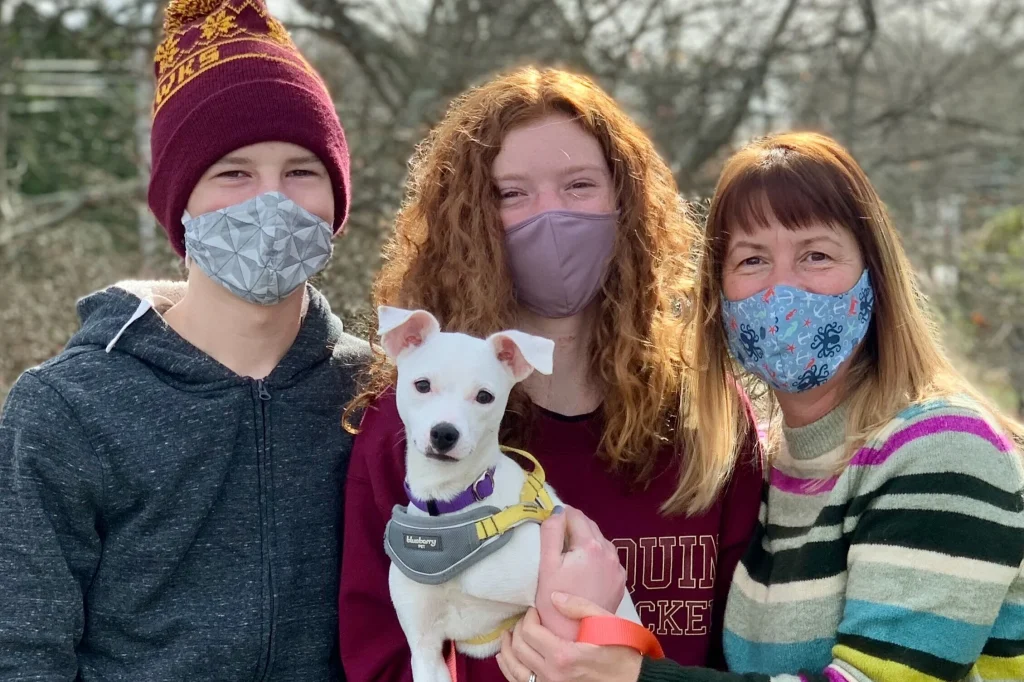
By dissecting these regional factors, prospective pet owners can not only anticipate what lies ahead but also make informed decisions when choosing which pet to adopt. The experience varies significantly across borders, and understanding the landscape will ultimately equip future adopters with the knowledge needed for a successful and rewarding adoption journey.
DISCOVER: Click here for must-have pet accessories
Geographical Influences on Pet Adoption Policies
The geographical diversity of the United States plays a crucial role in shaping the pet adoption process. Different terrains, climates, and urban versus rural settings can greatly affect how pets are cared for and adopted across states. For instance, in states like Florida, where there is an influx of seasonal residents, shelters often experience fluctuating populations of adoptable pets. This peculiar situation can lead to the adoption process being more competitive, with organizations like the Humane Society of Greater Miami implementing events such as “Clear the Shelters” to encourage rapid adoptions during peak seasons.
Cultural Differences and Their Impact
In addition to geographical influences, cultural attitudes towards animals can also dictate how the pet adoption process unfolds. In states where pets are viewed primarily as family members, such as in New England, the adoption process tends to be more meticulous and involved. Adoption agencies may require various home visits, interviews, and in-depth questionnaires that delve into the potential adopter’s lifestyle, family structure, and even their employment status. On the flip side, states like Alabama, which have significant rural expanses, often have a more informal adoption culture. Here, individuals may find that the process is as simple as filling out a brief application and taking the pet home within hours.
Understanding Local Resources and Their Availability
The availability of resources—both in terms of funding and community support—can drastically influence the pet adoption landscape. For example, states with robust funding for animal welfare, such as California, often provide extensive training for staff and comprehensive veterinary services for pets up for adoption, resulting in a more standardized process. This includes practices such as:
- Thorough health screening for animals before adoption.
- Mandatory spaying/neutering to prevent overpopulation.
- Behavioral assessments to ensure pets are placed in suitable homes.
On the contrary, states with limited resources may have shelters that struggle to maintain basic standards, resulting in a more relaxed approach to adoption where such screenings are not consistently practiced. It emphasizes the need for potential adopters to do their own diligence when choosing a shelter.
The Emotional Aspect of Pet Adoption
Beyond the logistical differences, the emotional aspect of pet adoption varies based on regional contexts. In urban centers where competition for homes is fierce, potential adopters may feel pressured to secure a pet quickly, leading to less thoughtful decisions and regrettable outcomes. In contrast, in more rural areas, adopters may have the luxury of time to bond and assess their compatibility with a pet. Understanding these emotional nuances can enhance a future pet owner’s experience and lead to more fulfilling relationships between pets and their new families.
Grasping these elements can pave the way for prospective pet owners as they navigate the unique pet adoption process in their respective states. By recognizing how local factors can shape their experience, adopters can better prepare for their journey toward welcoming a new furry friend into their lives.
State-Specific Variations in the Pet Adoption Process
Pet adoption varies significantly across states in the USA, influenced by local laws, shelter resources, and cultural attitudes towards animals. Understanding these differences can equip potential adopters with the knowledge they need to navigate their local processes more seamlessly.
| State | Adoption Process Features |
|---|---|
| California | Less wait time due to a high number of active shelters, but strict spay/neuter laws apply. |
| Texas | Struggles with overpopulation; often requires home visits before finalizing adoption. |
| New York | Adoption fees can be higher; many shelters offer resources for training and care. |
| Florida | Fosters a strong community network; encourages pre-adoption classes for interested families. |
In California, the process tends to be faster, as a plethora of shelters work to find homes for animals quickly. However, potential adopters must comply with stringent laws surrounding spaying and neutering pets. In contrast, Texas is often embroiled in discussions surrounding pet overpopulation, making adoption a more rigorous procedure that may include home inspections.New York shelters typically have higher adoption fees but counterbalance this with essential support for new pet owners, including training and educational resources. In Florida, communities flourish with support systems, including face-to-face classes aimed at preparing families for the responsibilities of pet ownership. These variances highlight the importance of understanding local systems while seeking to adopt a pet. Each state offers unique pathways and considerations, making the pet adoption journey diverse and rich across the United States.
LEARN MORE: Click here to discover your cat’s feelings
Legal Regulations Governing Adoption Procedures
Another significant factor that influences the pet adoption process is the varying legal regulations enacted by state governments. Each state has its own set of laws that pertain to animal welfare and adoption, which can directly impact how shelters operate and the requirements placed on potential adopters. For example, in states like California, strict animal welfare laws require shelters to maintain high standards of care, mandating that all animals undergo vaccinations and are spayed or neutered before adoption. This legal framework not only prioritizes the welfare of the animals but also enhances the credibility of the adoption agencies.
Conversely, some states may have more lenient regulations, which can lead to inconsistencies in adoption practices. In states like Texas, for instance, varying local ordinances may influence how shelters handle adoptions, possibly leading to disparities between urban and rural areas. As a result, adopters may find that requirements can significantly differ even between neighboring municipalities, highlighting the importance of researching local shelters and understanding their specific processes.
Impact of Community Engagement and Education
The level of community engagement and educational initiatives related to pet adoption can create distinct experiences across different states. Areas with strong advocacy groups, such as Oregon, tend to foster a culture of responsible pet ownership, with community workshops and events aimed at educating the public on the importance of adoption. These programs not only help potential adopters understand the responsibilities tied to pet ownership but often also provide guidance on how to navigate the adoption process smoothly.
In stark contrast, in regions with less emphasis on education, such as parts of the Midwest, potential adopters may enter the process with limited knowledge about what to expect, leading to misguided assumptions. For instance, lack of awareness regarding the importance of post-adoption support can increase the rate of returns to shelters. This variance emphasizes the vital role that community involvement and resources play in shaping the pet adoption landscape across the United States.
Regional Trends in Popular Pet Types
Finally, demographic and regional trends can affect the type of pets available for adoption and the accompanying processes. In urban areas, for example, there is often a higher demand for smaller breeds suitable for apartment living, such as Chihuahuas or French Bulldogs. Shelters in these metropolitan regions may streamline the adoption process for these popular breeds, sometimes introducing an expedited approval process due to high-demand situations.
In contrast, rural areas might see a surplus of larger breeds, such as Labradors or working dogs, which may require more rigorous assessments regarding their suitability for home environments, especially those that involve larger plots of land. This demand and supply dynamic can lead to differing levels of thoroughness in the adoption process based on the local pet population and community preferences.
Understanding these diverse layers surrounding the pet adoption process is pivotal for prospective pet owners, as it highlights not only local regulations and cultural attitudes but also the variances influenced by sector engagement and regional pet trends. By recognizing these elements, adopters can better prepare themselves for a meaningful and undelayed adoption journey tailored to their location.
DON’T MISS: Click here to discover essential pet accessories
Conclusion
In summary, the pet adoption process in the United States is a complex and multifaceted journey that can vary significantly from one state to another. Legal regulations, community engagement, and regional trends all play crucial roles in shaping the experiences of potential pet owners. States with stringent animal welfare laws may offer a more standardized approach to adoption, ensuring that pets are healthy and ready for their new homes. In contrast, states with lax regulations might present a patchwork of practices, emphasizing the need for adopters to stay informed about local requirements.
Furthermore, community involvement and educational initiatives profoundly impact pet adoption culture. States that prioritize outreach and education foster responsible pet ownership, helping potential adopters navigate the complexities of the adoption process more effectively. Those in regions lacking such resources may find themselves grappling with misconceptions that can lead to higher return rates to shelters.
It is evident that understanding these variations is essential for anyone considering adopting a pet. Potential adopters should conduct thorough research into their local shelters and the specific processes in place to enhance their chances of a successful and rewarding adoption experience. By recognizing the unique characteristics of the adoption landscape in their area, individuals can embark on a fulfilling journey to welcome a new furry companion into their lives, thereby contributing to what ultimately matters most—the well-being of the animals and the strengthening of the bond between pets and their new families.