How to Adapt Your Home for an Adopted Pet: Practical Tips
Embracing the Journey with Your New Pet
Welcoming an adopted pet into your life is more than just an addition to your family; it marks the beginning of a relationship filled with unwritten adventures, unconditional love, and perhaps a few unexpected challenges. It’s essential to lay the groundwork for this journey by crafting a safe and nurturing environment in your home. Achieving this will not only ease your pet’s transition but will also strengthen the bond you will build together.
As you embark on this fulfilling quest, consider these pivotal aspects of home preparation:
- Safety first: One of the primary considerations is ensuring that your environment is free from potential hazards. This includes identifying and removing toxic plants such as lilies and pothos that can pose severe health risks to pets. Additionally, secure small items like coins, rubber bands, and paper clips that could be ingested, leading to choking or digestive blockages.
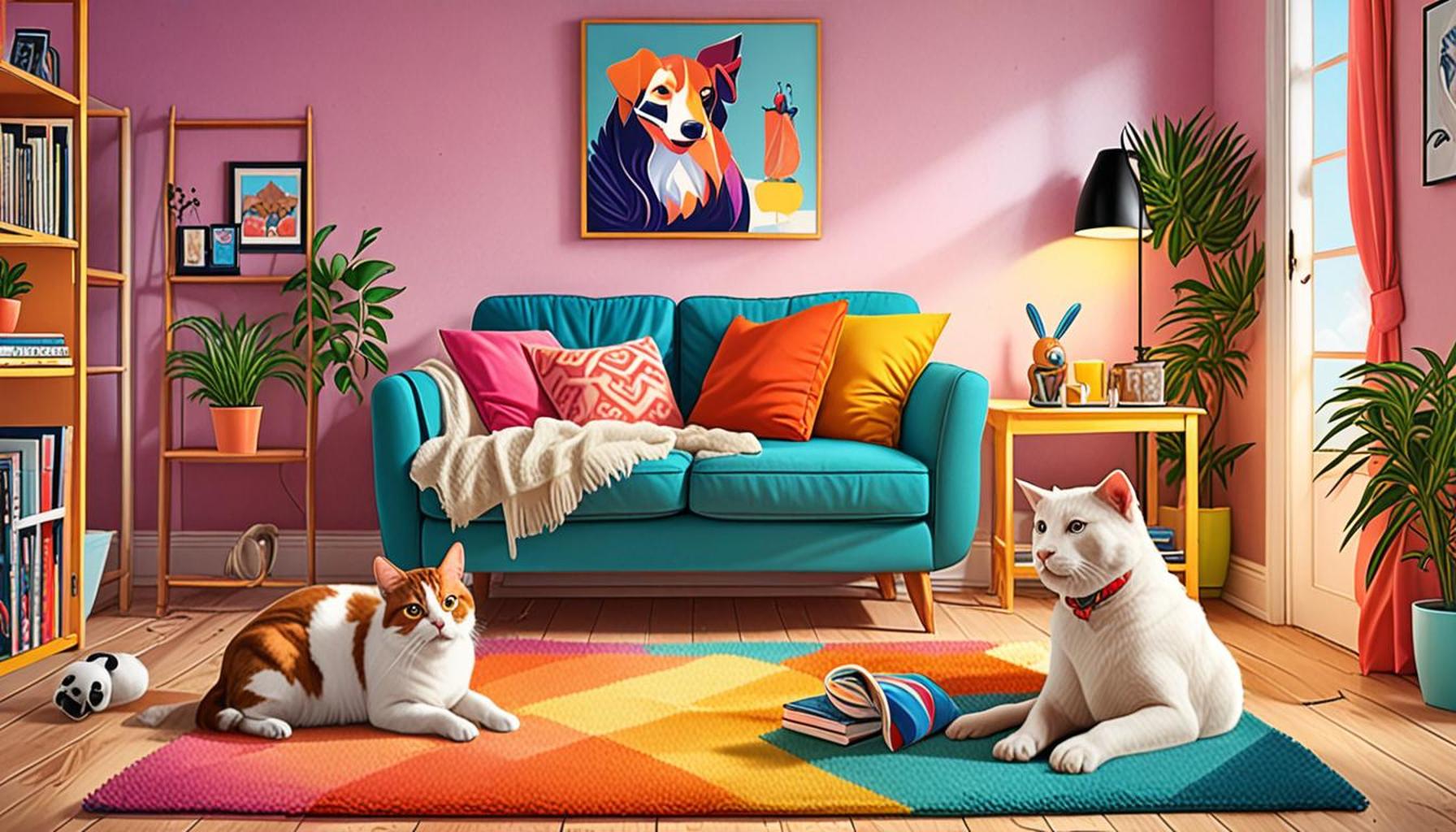
- Space matters: Establishing dedicated areas within your home for eating, sleeping, and playing can significantly enhance your pet’s comfort and understanding of where they belong. For instance, using a soft bed in a quiet corner can provide a cozy retreat where your new friend can feel secure. Meanwhile, a designated play area with toys encourages healthy activity and mental stimulation.
- Furnishing choices: Invest in pet-friendly furniture that stands up to wear and tear. Fabrics such as microfiber or leather are not only durable but also easier to clean in case of spills or accidents. Consider items like washable rugs or slipcovered chairs that can be maintained effortlessly while ensuring comfort for both you and your furry friend.
Moreover, tailoring your space to meet your pet’s specific needs is crucial. The size and breed of your new companion will influence various adjustments, such as the type of pet gate you install or the dimensions of their play area. For example, active breeds like Border Collies may require more room to roam and play, while smaller or older pets might prefer a more confined and quieter space.
Don’t overlook the importance of overall pet-proofing in your environment. Simple precautions, like placing childproof locks on cabinets or securing electrical cords, can save you from future mishaps.
Creating a peaceful and inviting atmosphere is a two-fold benefit: it helps your new pet acclimate to their surroundings while deepening the emotional connection between you. In upcoming sections, we will delve into practical tips for transforming your living space into a pet-friendly haven. This invaluable information will empower you to make astute choices that cater to the well-being of both you and your adopted companion, ensuring a harmonious life together.
DISCOVER MORE: Click here to learn about the emotional challenges of pet adoption
Crafting a Pet-Friendly Sanctuary
Adopting a pet is a wonderful experience that brings joy and companionship into your home, yet it requires thoughtful preparation to ensure a smooth transition. By making your space pet-friendly, you set the stage for a harmonious cohabitation that enhances both your life and your new furry friend’s well-being. Here are some essential strategies to transform your home into a sanctuary for your adopted pet:
- Secure Your Space: Before your new pet arrives, conduct a thorough inspection of your home to identify potential hazards. Look for items that could pose risks, such as:
- Cleaning supplies: Store chemicals in locked cabinets or high shelves to prevent accidental ingestion.
- Electrical hazards: Use cord protectors to conceal wires, and replace frayed cords that could lead to shock or injury.
- Small objects: Keep small items out of reach, as they can be choking hazards.
- Designate Feeding and Bathroom Areas: Creating specific places for feeding and relieving themselves is vital for the comfort of your pet. Choose spots that are easily accessible yet away from noisy areas that could startle them. For example, setting up a feeding station in the kitchen or laundry room can minimize distractions. If you have a larger space, consider establishing a small outdoor area specifically for bathroom needs, equipped with appropriate hygiene items.
- Establish a Routine: Pets thrive on routine, so setting consistent feeding and playtimes can help your new addition acclimate. Daily schedules will not only provide structure but will also reinforce positive behaviors. This consistency is particularly important for dogs, who benefit from regular excursions in addition to playtime. A structured environment fosters trust and helps your pet feel secure.
The type of pet you adopt will significantly influence your home alterations, as various species have different requirements. For instance, cats typically appreciate vertical space, so considering cat trees or shelves can provide them a perch to explore, while larger breeds of dogs may need a spacious area to move around freely. Researching specific needs based on the breed can enhance your preparation strategy.
Additionally, consider the potential stress of transitioning to a new home. Providing cozy hiding spots can encourage your pet to feel safe and secure, especially during their first few days. Cardboard boxes, blankets, or pet tents can create a comforting retreat, allowing them to adjust at their own pace.
A well-prepared environment contributes significantly to the bond you will share with your adopted pet. Beyond just a house, creating a home that meets their needs will provide a foundation of love, security, and trust that will flourish over time. In the following sections, we will explore more practical tips and ideas to make your living space a welcoming haven for your new companion.
| Essential Home Adjustments | Practical Considerations |
|---|---|
| Creating Safe Spaces | Designate a cozy area where your new pet can feel secure, promoting comfort and trust. |
| Pet-Friendly Furnishings | Invest in materials that withstand wear and tear, ensuring longevity and easy maintenance. |
| Secure Hazardous Items | Keep cleaning supplies and toxic plants out of reach to protect your pet’s safety and health. |
| Proper Lighting | Ensure all areas are well-lit to help your pet navigate safely, avoiding unexpected accidents. |
Adapting your home for an adopted pet goes beyond mere furnishings. It’s essential to consider the unique needs of your new companion. Creating safe spaces allows pets to decompress and adjust at their own pace. Additionally, when selecting pet-friendly furnishings, opt for durable materials that resist scratching or staining, which can help maintain your home’s integrity. Furthermore, securing hazardous items around the house is crucial to protecting your pet from potential dangers. This includes locking up toxic cleaners or removing harmful plants. Lastly, ensuring adequate lighting throughout your living area not only enhances your home but also facilitates safer movement for your beloved pet, greatly reducing the risk of accidents.
LEARN MORE: Click here for tips on training your cat
Creating Safe Spaces for Relaxation and Play
Once you have secured your home and established routines, the next step in adapting your home for your adopted pet is to create designated spaces that cater to their relaxation and play needs. A well-organized environment not only enhances your pet’s comfort but also contributes significantly to their mental and physical well-being. Here are some practical tips to create safe and engaging areas within your home:
- Set Up a Cozy Sleeping Area: Every pet deserves a quiet, comfortable space to rest. Choose a location that is free from drafts and noise, such as a corner in your bedroom or living room. Invest in a high-quality pet bed that suits your pet’s size and age. Keep in mind that older pets may benefit from orthopedic beds. Enhance the area with their favorite blanket or toys to provide additional comfort.
- Curate Toys and Stimulating Activities: Providing a range of toys can help keep your pet mentally stimulated and entertained. From interactive puzzle feeders for dogs to feather wands for cats, selecting toys suitable for your pet’s age and energy level is essential. Incorporating activities like fetch or hide-and-seek can also encourage physical exercise. Make sure to regularly rotate toys to keep their interest piqued.
- Designate a Play Zone: Having a specific area for play can help limit the chaos and damage that an excited pet might cause in your home. Utilize spaces like a spare room or a section of your living room for playtime. If you have a dog, consider adding agility equipment for training and fun. For cats, a combination of cat trees and climbing shelves will cater to their natural climbing instincts while keeping them safe.
Understanding your pet’s unique personality traits can greatly influence how you create their comfortable living spaces. Talk to your veterinarian or local shelter for advice on specific breed requirements, as this can help tailor your environment to meet their specific needs.
Incorporating Pet-Safe Décor
As you adapt your home for your new feline or canine companion, reevaluating your décor choices can lead to a harmonious fusion of style and safety. It’s critical to select furnishings and design elements that accommodate your pet’s explorations while maintaining your aesthetic preferences. Here are ways to incorporate pet-safe décor:
- Choose Durable Materials: Opt for furniture fabrics known for durability and ease of cleaning, such as microfiber or leather. They can endure the scratches, spills, and shedding that often accompany pet ownership. Avoid delicate fabrics like silk or linen, which might quickly show signs of wear and tear.
- Incorporate Plant Safety: Many household plants can be toxic to pets. Popular plants like lilies, poinsettias, and philodendrons can be harmful or even lethal. Instead, you can decorate with pet-friendly options such as spider plants or bamboo palm. Always research before bringing a new plant home to ensure it is safe for your furry friend.
- Utilize Walls Wisely: Wall shelving or specialized pet frames can provide a unique place for displaying your pet’s photos while keeping harmful items out of reach. High shelves can also double as a place for cat trees or birdhouses, allowing pets to enjoy vertical spaces safely.
By thoughtfully crafting designated spaces for relaxation and play, as well as incorporating pet-safe décor, adopting a pet can enrich your life without compromising your home’s integrity. The efforts you make to understand and accommodate your new companion will lead to a lasting bond filled with love and companionship.
DISCOVER MORE: Click here for must-have pet accessories
Final Thoughts on Adapting Your Home for an Adopted Pet
In conclusion, adopting a pet is a rewarding experience that requires careful consideration of your home environment to ensure both your pet’s safety and comfort. By following the practical tips outlined in this article, you can create a space that not only meets your new companion’s physical and emotional needs but also allows them to thrive in their new home. From establishing secure zones to incorporating pet-friendly décor, each step you take will contribute significantly to the well-being and happiness of your furry friend.
Remember, pets, especially those who have been adopted, may need time to adjust to their new environment. Being patient and observant as they settle in will provide valuable insights into their preferences and needs. This adjustment period is an opportunity for you to develop a deeper bond with your pet, and your efforts will be rewarded with mutual affection and companionship.
As you embark on this journey, don’t hesitate to seek advice from fellow pet owners, veterinarians, or local animal shelters. Educating yourself about specific breeds and their unique demands can significantly enhance the quality of life for both you and your pet. Ultimately, your home should be a haven for all its inhabitants—human and animal alike. Embrace the joy that comes with pet ownership and watch how it enriches your life in unexpected ways.