Effective Strategies for Training Your Ferret to Follow Commands

Unlocking the Potential of Your Ferret
Training a ferret may seem challenging, but with the right strategies, it can be a rewarding experience for both you and your furry companion. These clever creatures, often likened to small, furry ninjas, excel at learning and adapting when given the right guidance and environment. With their playful nature and natural curiosity, ferrets can quickly grasp commands if approached correctly. Their intelligence and sociable demeanor make them fascinating pets, and training can unlock their full potential. Here are some compelling reasons to start training your ferret today:
- Enhance Communication: Establishing a command system contributes to clear communication between you and your ferret. This can involve simple commands like “come,” “sit,” or “no,” which all cultivate a mutual understanding and respect.
- Increase Bonding: Training sessions encourage interaction, creating a stronger emotional bond. Just like bond-building activities with dogs or cats, training allows you to spend quality time together, reinforcing trust and companionship.
- Encourage Good Behavior: Teaching commands can help manage your ferret’s instincts, such as biting or excessive digging. With proper training, you can guide their behavior to become more suitable for indoor living while encouraging positive habits.
Effective training not only improves your ferret’s behavior but also taps into their natural intelligence. Many ferrets can learn tricks as complex as fetching a small toy or navigating an obstacle course. The right techniques can transform your furry friend into a delightful companion who follows commands effortlessly. Consider incorporating these essential tips for successful training:
- Positive Reinforcement: Use tasty treats, like small pieces of cooked chicken or ferret treats, along with verbal praise to encourage desired behaviors. Ferrets respond better to rewards rather than punishment, making a positive atmosphere crucial.
- Short Sessions: Keep training sessions brief, ideally around 5 to 10 minutes, to maintain your ferret’s attention. Ferrets have short attention spans and may quickly lose interest if the sessions drag on.
- Consistent Commands: Use the same words and gestures for each command to avoid confusion. Consistency helps your ferret learn quicker and makes training more effective in the long run.
As you embark on this training journey, remember that patience is key. Each ferret has its own personality and learning pace, so some may take longer to grasp certain commands than others. With dedication and these proven strategies, you’ll soon be amazed by how well your ferret can respond to your commands. Stay tuned as we explore the most effective methods to train your ferret effectively, sharing stories from fellow ferret owners and the successes they’ve enjoyed through training.
DISCOVER MORE: Click here for effective techniques
Creating a Solid Foundation for Training
Before diving into specific training methods for your ferret, it’s essential to lay the groundwork that will facilitate learning. This involves understanding your ferret’s unique personality, energy levels, and behavior. Ferrets are social and inquisitive creatures, but they also possess an independent streak. To train your ferret effectively, you must adopt an approach that engages their natural instincts while fostering a strong human-animal connection.
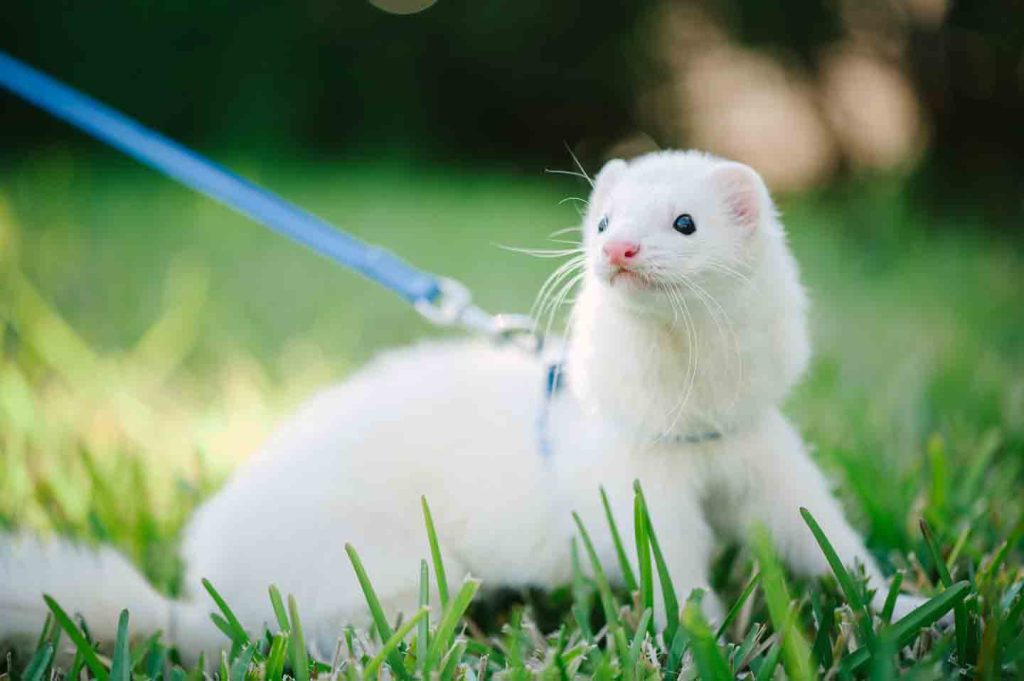
One of the first steps in training your ferret is establishing a safe and stimulating environment. Ferrets thrive in spaces where they can explore and play freely. Setting up a designated training area that includes some of their favorite toys and a comfortable surface can put them at ease and make them more receptive to learning. This area should be quiet, minimizing distractions, so that your ferret can fully focus on the training process.
Understanding Ferret Behavior
To effectively teach your ferret commands, you must first understand their natural behaviors. Ferrets are known for their playful nature, often engaging in what is referred to as the “ferret dance,” where they pounce and dart around. This playful spirit can be harnessed during training sessions. Utilizing their curiosity, you can introduce commands linked to their instinctual behaviors, such as “come” when calling them back or “sit” when they stop in their tracks during a play session.
Below are some fundamental steps to consider that not only enhance your ferret’s training experience but also keep it enjoyable:
- Start with Basic Commands: Focus on simple and essential commands such as “come,” “go,” and “no.” These will form the foundation for more complex tricks later on.
- Be Observant: Pay attention to when your ferret is most alert and energetic, usually in the morning or early evening. Timing your training sessions during these peak periods can significantly improve their focus and engagement.
- Utilize Visual Cues: Many ferrets respond well to visual cues. Pair verbal commands with hand signals or gestures to reinforce learning. This dual approach can enhance their comprehension and make training sessions more interactive.
Establishing trust is crucial during these early stages. Your ferret needs to feel comfortable and secure with you to respond positively to commands. Offering rewards, such as their favorite treats or affection, reinforces desired behaviors and fosters a deeper connection. Remember that every ferret is unique, and what works for one may not necessarily apply to another. Therefore, being adaptive and understanding their responses can make a significant difference in your training success.
As you discover the intricacies of your ferret’s personality and preferences, you are laying the groundwork for effective training that promotes not only good behavior but also a fulfilling relationship. The more effort you invest in understanding and catering to their natural instincts, the more responsive and engaged your ferret will become in following commands.
| Training Techniques | Advantages |
|---|---|
| Positive Reinforcement | Encourages desirable behavior by rewarding your ferret, making it more likely to follow commands in the future. |
| Consistency | Using the same commands and gestures helps your ferret build a clear association between actions and rewards, amplifying learning speed. |
| Short Training Sessions | Keeps your ferret engaged and prevents frustration, ensuring that training remains a fun and rewarding activity. |
| Socialization | Enhances trust and builds a bond, making your ferret more receptive to training commands and less anxious around people. |
| Use of Clickers | Provides immediate feedback, which is essential for reinforcing behaviors at the moment they occur, leading to faster learning. |
Training your ferret to follow commands can be an incredibly rewarding experience. Utilizing techniques such as positive reinforcement and consistency not only facilitates quicker learning but also captivates your ferret’s attention and enthusiasm. Implementing strategies like short training sessions ensures that your ferret does not feel overwhelmed, thus making the process enjoyable for both of you. Adding in socialization helps to foster a trusting relationship, which is crucial for effective command response. Finally, incorporating tools such as clickers can provide clarity during training, accelerating the learning curve significantly. Investing time in these methods offers a more enriching bond with your pet and enhances their ability to understand and follow your commands.
LEARN MORE: Click here for valuable insights
Incorporating Positive Reinforcement Techniques
Once you have established a solid foundation for training your ferret, it’s time to delve into effective training techniques that will promote desired behaviors. Positive reinforcement is one of the most successful methods for training ferrets. This technique revolves around rewarding your ferret for exhibiting good behavior, rather than punishing them for undesired actions. Rewards can include treats, verbal praise, or playtime, and they should be given immediately after the command is successfully followed to strengthen the association.
For instance, if you’re teaching your ferret to “come,” call their name, and when they approach, offer a small treat or enthusiastic praise. This creates a positive learning environment and reinforces the command through a reward-based system. Remember to start with small, easily achievable goals. As they become more confident with the commands, gradually increase the difficulty of the tasks.
Establishing a Regular Training Routine
Consistency is key in the training process. Establishing a regular training routine allows your ferret to anticipate training sessions and can help in retaining the learned commands. Aim for short, engaging sessions that last about 5 to 10 minutes each, 2 to 3 times a day. This duration can help maintain your ferret’s attention without overwhelming them. Additionally, ensure these sessions occur at similar times each day to instill a sense of predictability and routine in your ferret’s life.
- Use Mealtime as an Opportunity: Incorporate training commands into your ferret’s feeding schedule. For example, ask them to perform a command before you place food in their dish. This method helps bridge the connection between the command and positive outcomes.
- Vary Your Training Locations: Once your ferret masters commands in a controlled environment, take training sessions to other areas, like your backyard or living room. New environments can enhance their adaptability and reinforce their training in different contexts.
- Stay Patient and Flexible: Frustration can hinder the training process. If your ferret struggles to learn a new command, modify your approach. Experiment with different rewards or training techniques that align better with their temperament and personality.
A common misbelief is that ferrets won’t respond to commands due to their curious and independent tendencies; however, many ferret owners have reported remarkable success using positive reinforcement models. Studies suggest that animals trained with this method exhibit greater enthusiasm and willingness to engage as they associate learning with fun and rewards.
Incorporating Play into Training
In addition to using food rewards, remember that ferrets are playful and energetic animals. Incorporating play into your training sessions not only makes learning enjoyable but also taps into your ferret’s natural instincts. You can encourage behaviors by using toys to make commands feel more like games than chores.
For example, use a favorite toy to entice your ferret to “sit” or “stay.” By introducing varied actions during training sessions—like fetch or chasing a lure—your ferret can learn while simultaneously engaging in enjoyable play. This strategy effectively motivates them to follow commands, as they understand that learning can lead directly to fun and games.
As you continue to implement these training strategies, it’s essential to monitor your ferret’s stress levels. Ensure that the training remains a positive experience. If your ferret appears disinterested or restless, take a step back and allow them to engage in free play before resuming training later.
By focusing on positive reinforcement, establishing a routine, and integrating play into your command training activities, you will not only enhance your ferret’s ability to learn commands but also nurture a loving and playful bond that will last a lifetime. Training is as much about building trust and communication as it is about commands—embrace the journey with your ferret, and watch your relationship flourish as you learn together.
DIVE DEEPER: Click here to discover effective training techniques
Conclusion: Building a Strong Bond Through Training
Training your ferret to follow commands can be a rewarding endeavor that deepens the bond between you and your playful companion. By employing positive reinforcement, you create a supportive environment where your ferret feels encouraged to learn and succeed. Coupling this with a consistent training routine not only enhances your ferret’s comprehension of commands but also establishes trust and communication between you two.
The implementation of varied training sessions, including playtime and the incorporation of commands during mealtime, ensures that training remains engaging and fun. It’s essential to remember that every ferret is unique, requiring a tailored approach that honors their individual personalities and energy levels. As you adapt your methods to their needs, you may find new techniques that resonate with your ferret’s learning style.
Ultimately, the journey of training your ferret goes beyond simple commands; it’s about nurturing a lasting relationship based on understanding and patience. Enjoy the process, celebrate the small victories, and embrace the playful nature of your ferret. Whether you’re teaching them to fetch a toy, do tricks, or respond to their name, each moment spent training is an opportunity to engage with your pet in meaningful ways. Explore different techniques, be flexible in your methods, and witness the transformation of your ferret into a well-trained, joyful companion.