How to Train Your Rabbit to Use a Litter Box
Understanding the Benefits of Litter Box Training
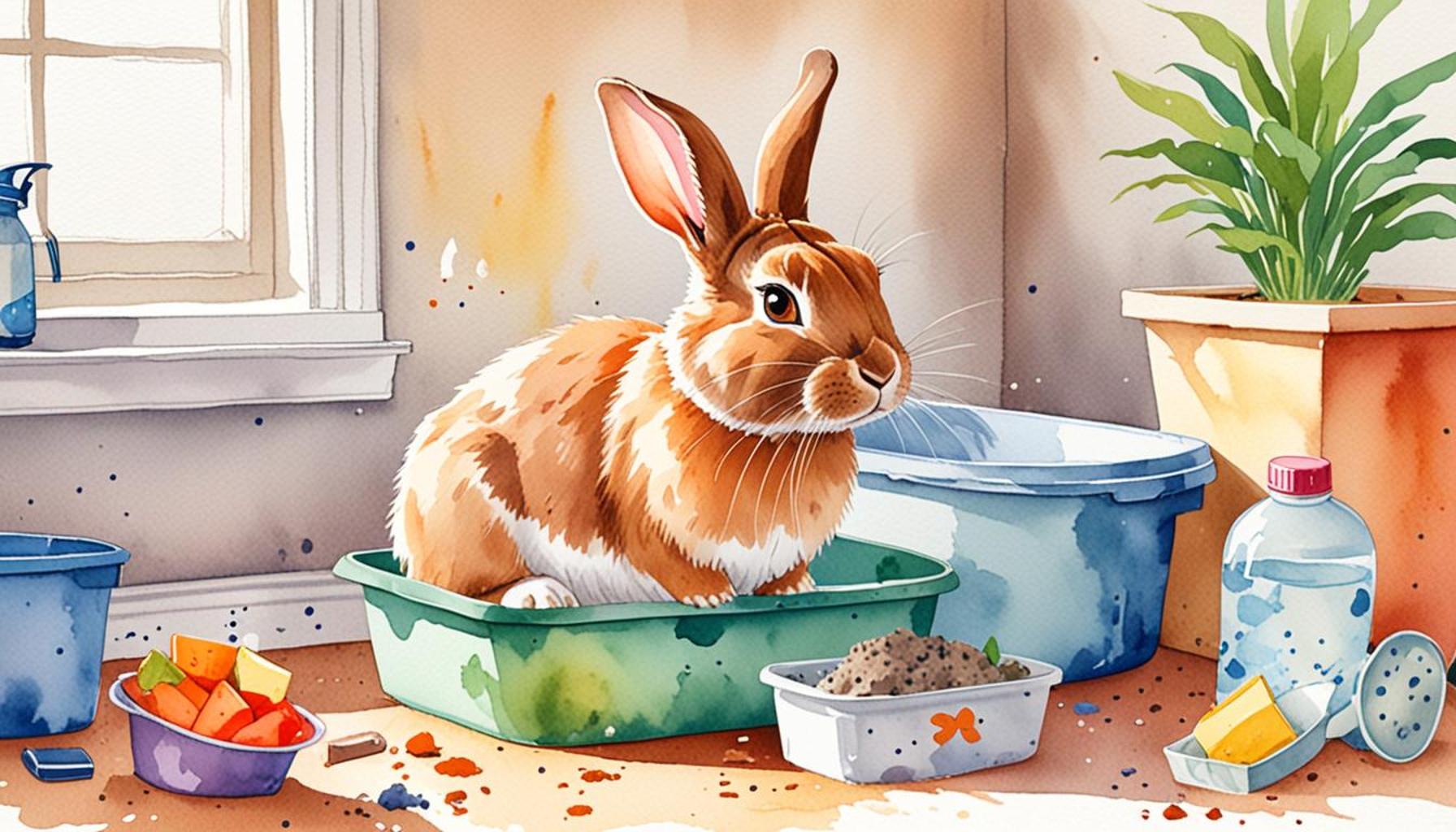
Training your rabbit to use a litter box offers numerous advantages, both for the pet and the owner. First and foremost, a clean environment is paramount. By equipping your home with a designated litter area, you significantly reduce mess and ensure that stray droppings are confined to a manageable space. This not only helps maintain your home’s hygiene but also creates a more pleasant atmosphere for everyone. Imagine enjoying your time with your furry companion without having to worry about unforeseen accidents disrupting your day.
Moreover, the convenience of having a litter-trained rabbit cannot be overstated. Accidents are common in the early days of pet ownership, but training your rabbit to use a litter box minimizes those incidents. No longer will you have to leap into action when a bunny decides to go on a “mission” on your living room carpet, and you’ll find that your cleaning routine becomes much simpler. Just regular maintenance of the litter box can lead to a more stress-free living space.
Building a better relationship with your rabbit also pays dividends. When your rabbit is litter trained, it reduces your frustration and provides a sense of security for your pet. Rabbits thrive in clean and consistent environments, and training them can help instill a routine. The less mess you have to deal with means more time for bonding activities, whether it be playtime, cuddling, or simply enjoying each other’s company.
Essential Tools for Successful Training
To embark on this rewarding journey, you’ll need to gather some essential tools. First and foremost is the litter box. Look for a litter box that is low enough for your rabbit to enter easily yet spacious enough to allow them to turn around comfortably. Rabbits come in various sizes, so make sure to select a box that fits your bunny’s frame.
Next, consider the choice of rabbit-friendly litter. Avoid clumping cat litter, which can be harmful to rabbits if ingested. Instead, opt for materials that are safe and non-toxic, such as paper-based or aspen shavings. These options not only absorb odor effectively but also ensure the health and safety of your rabbit.
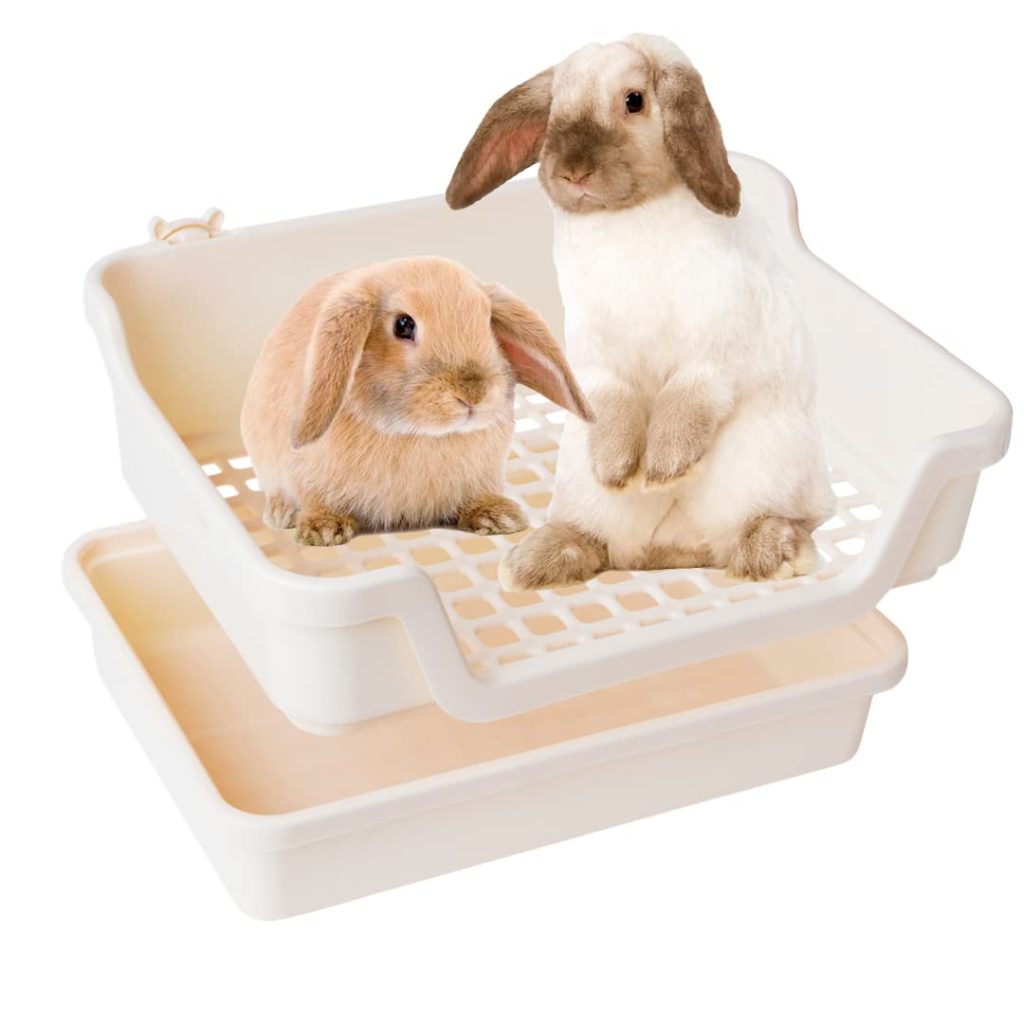
Lastly, the location of the litter box is crucial. Place it in an area where your rabbit naturally tends to relieve itself, ideally close to their eating or resting places. Rabbits usually select certain corners as their favorite spots, and placing the litter box there will increase the likelihood of successful usage.
Establishing a routine and incorporating positive reinforcement techniques, such as treats or gentle praise when your rabbit uses the litter box, can accelerate the learning process. Over time, with a combination of patience and consistency, you will find that your rabbit picks up the behavior quite quickly.
In conclusion, litter box training a rabbit may take some time and effort, but the rewards are worth every minute. With the right tools and techniques, you will enhance the quality of life for both you and your furry friend, turning your home into a clean and harmonious space.
DISCOVER MORE: Click here to learn how to train your cat effectively
Setting the Stage for Litter Box Training
Before diving into the practical aspects of training your rabbit to use a litter box, it’s important to set the right stage for success. Understanding your rabbit’s behavior and natural instincts can make a world of difference. Rabbits are instinctively clean animals, often designating their preferred elimination spots within their territory. By tapping into this natural tendency, training can become a more intuitive experience for your furry friend.
First, observe the behavioral patterns of your rabbit. Spend some time watching where they like to relieve themselves. This observation period is crucial and can last a few days. Rabbits typically prefer corners or secluded areas, thus identifying their favored spots will guide you in placing the litter box. Not only will this improve the likelihood of usage, but it will also make the training process smoother, as you can place the box right where your rabbit is already inclined to go.
In addition to identifying their chosen potty locations, be mindful of your rabbit’s differing needs. Each rabbit has a unique personality and comfort level. While some may take to the litter box immediately, others might be more hesitant. Patience and consistency are your best allies in this endeavor. Start the training with realistic expectations; not every rabbit will become litter box trained overnight.
Creating a Distraction-Free Environment
Once you’ve identified the right spot, it’s essential to create an environment that minimizes distractions and promotes focus on the task at hand. Here are some tips to consider:
- Quiet Area: Place the litter box in a calm and quiet location away from loud noises or excessive foot traffic. This helps your rabbit feel safe and secure to use it.
- Remove Clutter: A clear area around the litter box will help prevent accidental messes and make it easier for your rabbit to find and use the box.
- Consistent Setup: Maintain the same area for the litter box to prevent confusion. Rabbits thrive on routine, and a stable environment will aid in their understanding of the training.
As you set the stage for training, it’s also important to integrate positive reinforcement. When your rabbit uses the litter box correctly, reward them with a treat or gentle praise. This builds a positive association with the action of using the litter box, encouraging them to repeat the behavior. By making training a positive experience, you foster a trusting relationship, which is vital in maximizing your rabbit’s comfort and willingness to learn.
In summary, litter box training your rabbit is as much about understanding their natural tendencies as it is about the physical tools you will use. With proper setup, a distraction-free environment, and positive reinforcement, you will find yourself embarking on a fulfilling journey to a cleaner, happier coexistence with your rabbit.
| Advantage | Details |
|---|---|
| Improved Hygiene | Training your rabbit to use a litter box can significantly reduce odors and messes around your living space. |
| Easier Cleanup | With a designated spot for your rabbit’s waste, cleanup becomes easier and less time-consuming, contributing to a cleaner home environment. |
| Enhanced Bonding | Working together to teach your rabbit can strengthen the bond between you and your pet, fostering a more trusting relationship. |
| Positive Behavior Reinforcement | The training technique generally uses rewards for successful litter box use, encouraging good habits and positive associations with the litter box. |
Training your rabbit to use a litter box is not only about maintaining cleanliness; it paves the way for a deeper connection with your furry friend. By effectively setting boundaries for their bathroom habits, you encourage behaviors that promote a more harmonious coexistence. Additionally, the positive reinforcement approach used in this training fosters a trusting environment, encouraging your rabbit to be more adaptable within your home. Having specific areas designated for waste also contributes to effective space management and enhances the overall ambiance of your living area. Moreover, many rabbit owners find it rewarding to see their pets respond well to training, as it often leads to a happier, more confident animal. Exploring various litter choices and learning about your rabbit’s preferences can be an exciting part of this process!
DISCOVER MORE: Click here to uncover the secrets of your cat’s body language
Implementing the Training Process
With the environment set and your rabbit’s behavior understood, it’s time to dive into the practical steps for training your rabbit to use a litter box. The journey involves a few key phases: introducing the litter box, guiding your rabbit towards it, and reinforcing the desired behavior.
Introducing the Litter Box
Start by placing the litter box in the location you’ve identified during your observations. Ensure that the box is appropriately sized—enough for your rabbit to hop in comfortably. A common guideline is to choose a box that is at least as wide as your rabbit is long, allowing for ease of movement. Fill the box with a suitable litter material, such as paper-based litter or specially formulated rabbit litter. Avoid using clay-based litters, as these can be harmful if ingested.
Once the box is set up, introduce your rabbit to it. Gently place your rabbit inside the litter box after meals or when you notice signs that they need to go, such as circling or sniffing the ground. This nudges them in the right direction. Be patient; it may take a few attempts before they understand what the box is for. If they exit the box immediately, don’t be discouraged. Simply pick them up and guide them back inside after a short breather.
Encouraging Usage
As your rabbit gets accustomed to the litter box, watch closely for moments when they show an inclination to relieve themselves. When you catch them in the act, gently pick them up and place them in the box. Repeating this action consistently will help reinforce the behavior. It’s crucial to avoid punishing your rabbit for accidents outside the box, as this may lead to fear and anxiety, making them even less likely to use the box.
- Frequent Observations: Spend time monitoring your rabbit’s movements, especially after they eat or drink. Rabbits often need to relieve themselves shortly after meals, so be ready to guide them to the box during these times.
- Limit Freedom: In the early stages of training, consider restricting your rabbit’s access to a smaller area where the box is located. This encourages them to use it consistently instead of allowing options to go elsewhere.
Positive Reinforcement and Consistency
Positive reinforcement is a powerful tool in training. Each time your rabbit uses the litter box correctly, praise them or give them a small treat, like a piece of their favorite fruit or vegetable. This creates a strong association in their mind between using the litter box and receiving a reward.
Consistency is also vital. Maintain the litter box in the same location and continue to use the same verbal cues or rewards to help your rabbit associate them with successful use of the box. Over time, they will learn to seek out the box when they feel the need to relieve themselves.
As your training progresses, gradually expand your rabbit’s living space beyond the designated area. Monitor them closely for any signs of regression, and be ready to redirect them back to the litter box when necessary. Patience is key, as some rabbits may take weeks or even months to become fully litter trained.
Incorporating these methods will significantly increase the chances of successful litter box training, allowing both you and your rabbit to enjoy a cleaner and more harmonious living arrangement.
EXPLORE MORE: Click here to discover how socialization affects your cat’s happiness
Conclusion
Successfully training your rabbit to use a litter box is an achievable goal that can result in a more enjoyable living space for both you and your pet. By understanding the behavior of your rabbit and setting up an inviting environment, you lay the groundwork for effective training. Smart placement of the litter box, appropriate material selection, and maintaining a consistent routine are key components that foster positive habits.
Moreover, employing positive reinforcement not only encourages your rabbit to use the litter box but also strengthens your bond through shared victories. Over time, as you implement gentle reminders and maintain a close watch on your rabbit’s habits, you will notice their increased comfort with the litter box and an overall improvement in their behavior. Remember, patience is crucial. Each rabbit is unique, and their learning speed may vary; what works for one may not work for another.
It’s also worth noting that beyond the practical aspects, litter training provides important emotional benefits. A well-trained rabbit often experiences less stress and anxiety, leading to a happier and healthier pet. If challenges arise during the training process, consulting with a veterinarian or a bunny expert can offer additional insights and solutions.
In conclusion, effective litter box training is not merely about maintaining cleanliness; it enriches your rabbit’s living experience, encouraging natural behaviors and fostering mutual respect. Invest your time, energy, and love into this process, and the rewards will undoubtedly be worthwhile. For anyone interested in deepening their understanding of rabbit care, exploring resources on positive pet training methods can greatly enhance your journey.