Creative Ways to Train Your Parrot to Talk
The Joy of Parrot Communication
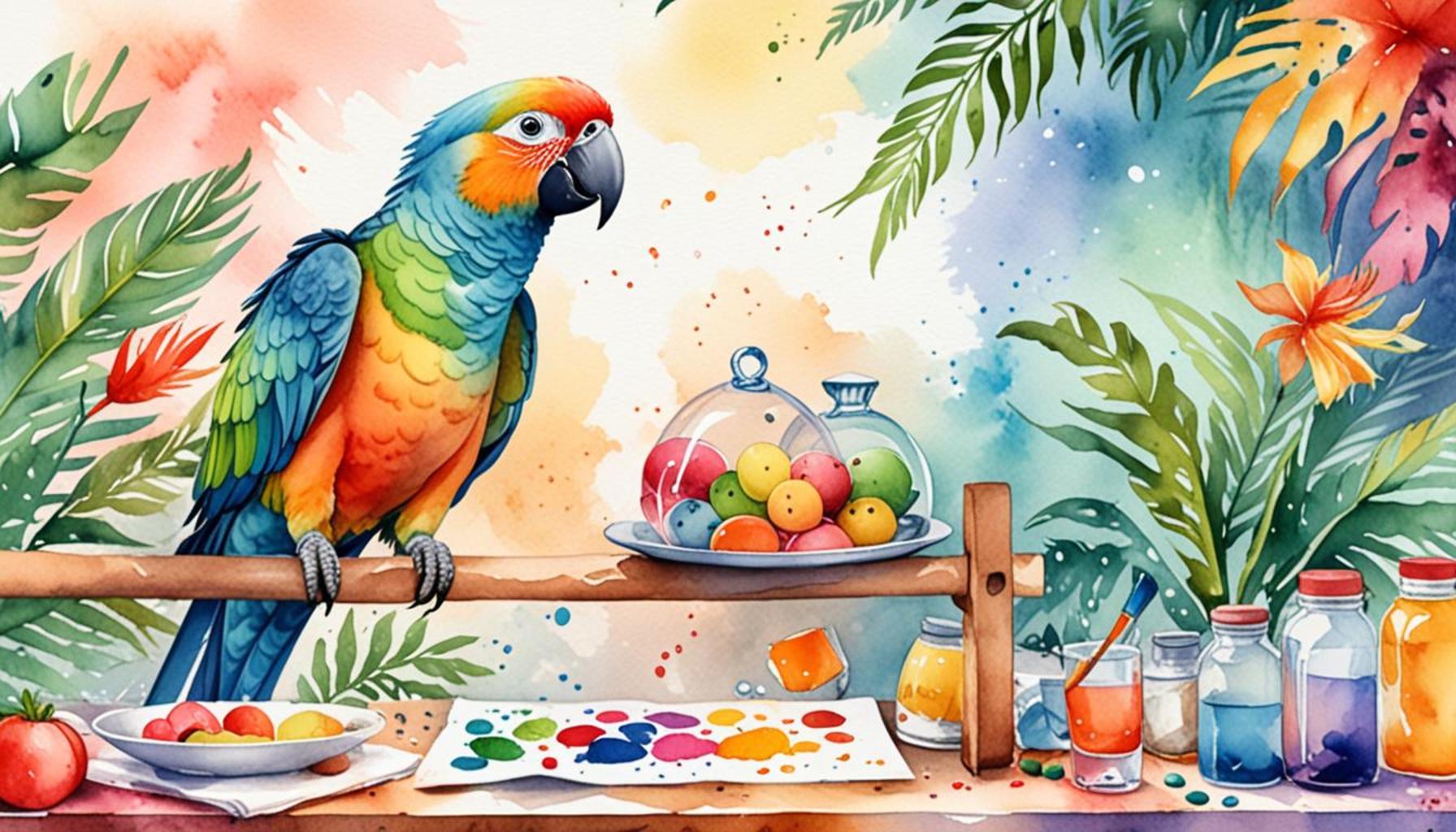
Training a parrot to talk is not merely a fun pastime but a rewarding journey that can significantly deepen the bond between you and your feathered friend. Engaging in this adventure opens the door to fostering an enriching relationship built on mutual understanding and companionship. With the right techniques and a sprinkle of creativity, you can transform your parrot into a delightful conversational partner who adds joy and entertainment to your home.
- Consistency is key: Establishing a routine is crucial for effective training. This means setting aside dedicated time each day for interaction. Whether it’s morning or evening, ensuring a predictable schedule helps your parrot understand that this is a specific time for learning and engagement.
- Repetition helps: Start with simple words or phrases, such as “hello,” “goodbye,” or the name of your parrot. Repeatedly using these key phrases in your daily conversations will help your parrot recognize them. Over time, you might be surprised at how quickly they start to associate sounds with actions or experiences.
- Positive reinforcement works: Every time your parrot attempts to vocalize, reward them with a small treat, such as a piece of fruit or a favorite seed. Praise is also an essential component. Your enthusiastic response will encourage them to vocalize more, as they learn that sounds lead to rewards.
The journey of teaching your parrot to talk not only enriches their life, but it also stimulates their curious minds. Parrots are inherently social creatures, and teaching them communication skills can fulfill their needs for interaction and mental engagement. As you embark on this training process, patience and creativity will become your best allies and yield astonishing results.
There are countless methods available for training, allowing you to tailor sessions to fit your parrot’s unique personality. For instance, some enthusiasts find success using colorful toys that produce sounds which encourage mimicry. Others might use songs or even relatable phrases that are part of their daily lives. Whether you are aiming for your parrot to master a few select words or an entire repertoire of phrases, the possibilities are extensive.
Additionally, the habitat in which your parrot lives can play a role in vocalizing. Ensuring a stimulating environment with plenty of toys, perches, and social interaction will encourage your parrot to express themselves more freely. As a fascinating aspect of avian communication, getting to know your parrot’s preferences can further enhance your training sessions.
Are you ready to explore the captivating world of parrot communication? With dedication and creativity, you will find that fostering your parrot’s vocal potential can be an immensely fulfilling experience—one that brings joy to both you and your enchanting companion.
DISCOVER MORE: Click here to learn about your cat’s emotions
Engaging Techniques for Effective Parrot Communication
To truly harness the potential of your parrot’s vocal abilities, it’s essential to explore creative and engaging techniques that will keep both you and your feathered companion actively involved in the learning process. Every parrot is unique, which means that tailoring your approach to fit your pet’s individual personality can yield impressive results. Here are some innovative strategies for training your parrot to talk that go beyond the traditional methods:
- Interactive Playtime: Incorporate play into your training sessions. Use toys that encourage interaction, such as bells or talking toys. By associating speech with playtime, your parrot may become more enthusiastic to vocalize.
- Song and Dance: Choose catchy tunes or nursery rhymes to sing to your parrot. Birds often respond well to music, and the rhythm can facilitate their ability to mimic sounds. Don’t hesitate to dance along—your enthusiasm can be infectious!
- Mirror Training: Some parrots enjoy watching themselves in mirrors, which can help reinforce vocalization. Position a safe, bird-friendly mirror in their environment and talk to them in front of it. They may imitate your speech as they see their reflection.
- Visual Cues: Pair verbal communication with visual actions. For instance, every time you say “hello,” you can wave. This encourages your parrot to connect verbal cues with physical actions, fostering a deeper understanding of the words.
- Storytelling: Read to your parrot using expressive intonations and inflections. Not only does this make training entertaining, but the varied sounds and expressions can stimulate their curiosity and motivation to engage.
The importance of a stimulating environment cannot be overstated. Parrots thrive in settings that are rich in sensory experiences. Introducing varied sounds—like nature sounds or the chatter of other pets—will encourage your parrot to vocalize more often. Studies suggest that parrots exposed to a diverse array of noises are more likely to develop their verbal skills. Therefore, ensuring their habitat is lively and playful will set the stage for successful language development.
To further enhance your parrot’s training journey, explore the option of using modern technology. Voice recorders or mobile apps that feature bird sounds can serve as both a learning tool and a source of entertainment. By creating a customized playlist of sounds or phrases that resonate with your parrot’s preferences, you can diversify the sounds they are exposed to, allowing for deeper mimicry and connection.
With the right blend of patience, creativity, and stimulation, the journey of training your parrot to talk can be not only effective but also highly enjoyable. The key lies in exploring various methods and observing which techniques resonate most with your companion. As you navigate this exciting quest, remember that each new word and phrase spoken is a testament to the bond that continues to grow between you and your avian friend.
Creative Techniques for Training Your Parrot to Talk
Training your parrot to talk can be a rewarding experience that strengthens the bond between you and your feathered friend. Below, we explore several innovative methods that can enhance your parrot’s learning process and keep them engaged.
| Training Method | Advantages |
|---|---|
| Repetition | Using consistent phrases helps parrots remember and reproduce language more effectively. |
| Positive Reinforcement | Encouraging speech through rewards boosts motivation and quickens learning. |
| Interactive Play | Games that involve speaking reinforce language skills while making training enjoyable. |
| Socialization | Exposure to different human voices helps parrots to mimic and expand their vocabulary. |
Each of these methods not only aims to enhance your parrot’s speaking abilities but also contributes to a well-rounded emotional and social experience for your pet. By mixing and matching these techniques, you can create a personalized training approach that makes learning both effective and enjoyable for your parrot. Involving your parrot in daily conversations and activities further encourages engagement and excitement about speaking. As you develop a routine, remember to be patient and consistent, reinforcing the bond that will lead to successful communication.
DON’T MISS: Click here to discover must-have pet accessories
Engaging Techniques for Effective Parrot Communication (Continued)
In addition to playful interactions and environmental stimulation, it’s important to consider other creative avenues that can facilitate your parrot’s journey toward vocalization. Establishing a consistent routine, meaningful interactions, and diversifying learning methods can aid in their language development while also forging a closer connection between you and your avian companion. Here are some more inventive approaches to training your parrot to talk:
- Daily Affirmations: Just as humans benefit from positive affirmations, spotlessly repeating phrases like “You’re a good bird!” or “I love you!” can encourage your parrot to mimic those specific words. Make sure your tone is soothing and encouraging to create an atmosphere that nurtures learning.
- Rewards and Treats: Positive reinforcement is fundamental in animal training. Use small, healthy treats or your parrot’s favorite snacks as rewards when they successfully mimic sounds or words. This creates a strong association between vocalization and positive outcomes, motivating them more.
- Peer Conversations: If you have more than one parrot, engage them in conversations with each other. Birds are social creatures and often learn from one another. Encourage each parrot to communicate while fostering a group dynamic that allows them to mimic various phrases and sounds.
- Sound Association Games: Create a game in which your parrot has to match different words or phrases with corresponding objects. For example, introduce a toy and say “ball” as your parrot interacts with it; this aids them in connecting words with relevant meanings, enhancing their recall abilities.
- Outdoor Vocal Lessons: Take short training sessions outside where your parrot can experience natural sounds and take inspiration from the world around them. The combination of fresh air and nature’s symphony can stimulate their natural curiosity and urge them to try out new sounds.
Moreover, utilizing the internet can lead to incredible advancements in training your parrot. There are now numerous resources available online, such as webinars and online forums where experienced parrot owners share their training techniques. You can find detailed videos demonstrating effective training strategies and numerous tips on social media platforms dedicated to avian lovers.
Consider connecting with local bird clubs or attending workshops specifically aimed at bird-focused interaction. Such gatherings not only provide valuable insights but also allow for shared experiences that spark creativity and enthusiasm around training methods.
Music, particularly classical or instrumental pieces, can enrich your parrot’s training experience. It’s been shown that certain types of melodies can elicit a calming effect on birds, opening them up to vocalize as they feel relaxed. Try incorporating music into the training sessions and then speaking to your parrot during or after the song, creating a mixed medium that nurtures their learning.
Finally, customized training plans can greatly aid in the process. Keep detailed notes on which words your parrot responds to best, their mood during sessions, and any patterns you notice. This personalized approach not only promotes effective learning but also enriches your understanding of your feathered friend’s unique needs and preferences, paving the way for a stronger bond between keeper and pet.
DON’T MISS: Click here for essential pet accessories
Conclusion
Engaging your parrot in a dialogue-rich environment can be a rewarding journey filled with exploration and connection. As we have discussed, creative ways to train your parrot to talk are essential not only for enhancing their vocal abilities but also for deepening the bond between you and your feathered friend. Establishing a consistent routine, utilizing positive reinforcement, and engaging in interactive games tailored to your parrot’s learning style can lead to significant improvement in their communication skills.
Moreover, the influence of social interactions, whether through peer conversations or outdoor experiences, cannot be overstated. These activities not only stimulate your parrot’s natural curiosity but also inspire them to express themselves in new ways. Incorporating music and varying the training environments can create a delightful atmosphere where your parrot feels motivated and relaxed to vocalize.
Don’t forget the wealth of resources available online and in local communities—these can vastly expand your knowledge and provide fresh strategies to explore. As you embark on this journey, remember that every parrot is unique, and a personalized training plan can yield the best results. By keeping careful notes and adapting your techniques, you can ensure that the training process remains stimulating and enjoyable for both you and your bird.
Ultimately, the art of training your parrot to talk is just as much about establishing a loving relationship as it is about teaching vocal skills. Embrace the process, celebrate small victories, and enjoy the intricate and meaningful conversations that will bloom as a result.