How non-verbal communication influences dog behavior in family environments
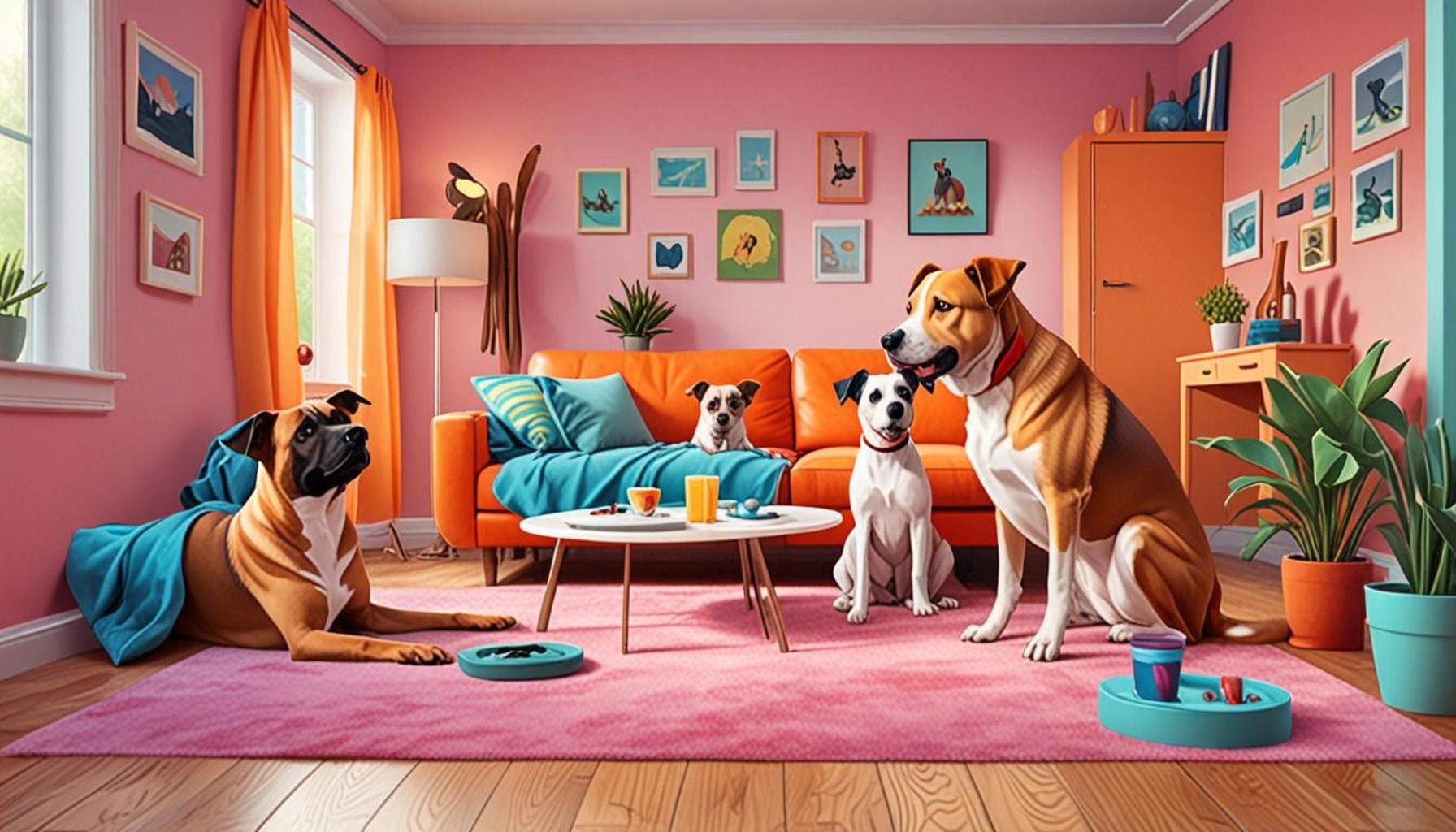
The Importance of Non-Verbal Communication in Canine Behavior
Dogs are incredibly perceptive creatures, capable of picking up subtle cues from their human companions. In family environments, the dynamics of non-verbal communication play a significant role in shaping a dog’s behavior and emotional well-being. This silent conversation, rich in unspoken messages, can convey feelings, intentions, and even commands without the need for spoken words. Understanding how to effectively communicate non-verbally with dogs can lead to a stronger bond and improved behavior.
Key Aspects of Non-Verbal Cues
Consider the following aspects of non-verbal cues:
- Body Language: A dog’s posture, from the way they stand to the position of their tail, can reveal much about their emotional state. For example, a dog with an upright tail and alert ears is likely excited or happy, while a dog with a tucked tail and lowered head may be fearful or submissive. Noticing these signals can help owners better understand their pet’s feelings and needs.
- Eye Contact: The way a dog gazes at a family member can signify varying degrees of trust or discomfort. Prolonged eye contact may indicate affection and security, whereas a dog that frequently blinks or turns away may be feeling anxious or threatened. This understanding of eye communication can help owners create a safe environment for their pets.
- Physical Touch: How family members physically interact with their pets, such as petting or hugging, can either reinforce a sense of safety or provoke anxiety. Gentle touches and inviting body language can foster bonding, while abrupt movements or tight hugs might signal danger to a more sensitive dog.
Understanding these non-verbal signals is essential for fostering a harmonious living situation. Various studies show that a dog’s ability to interpret human emotions through body language contributes greatly to their behavior in the home. For instance, researchers have found that dogs can distinguish between happy and angry human faces and will change their behavior accordingly to accommodate those emotions. Family members can inadvertently shape their dog’s actions by the messages they send through their own non-verbal communication.
Creating a Positive Environment
As we dive deeper into this fascinating topic, it’s essential to acknowledge that our non-verbal interactions can significantly impact our dogs’ sense of security and happiness. By enhancing our awareness of these non-verbal cues, families can create a more positive and understanding environment for their four-legged companions. Effective non-verbal communication doesn’t just improve a dog’s behavior; it enriches the overall familial bond and promotes a stress-free coexistence.
To further develop this understanding, consider watching videos on dog behavior or consult with animal behaviorists who can annotate and explain these silent signals in clear detail. Engaging with material or professionals in this field can lead to rewarding insights that transform the dynamics of your relationship with your dog.
LEARN MORE: Click here for essential pet health tips
The Impact of Family Dynamics on Dog Behavior
The interactions that occur within a family unit can significantly shape a dog’s behavior, often through non-verbal communication. Every family member’s gestures, movements, and overall energy contribute to the emotional landscape that dogs navigate daily. By understanding these dynamics, families can ensure a nurturing environment that recognizes the unique needs of their pets.
Understanding Family Presence and Energy
The emotional energy of a household profoundly influences a dog’s behavior. Dogs are astute observers, often picking up on the mood and energy of their family members. When a family is filled with laughter, play, and affection, dogs may respond with enthusiasm and a sense of belonging. Conversely, tense situations, such as arguments or stress, can instill a sense of anxiety or discomfort in dogs. This shift in energy can lead to changes in behavior, such as increased barking, hiding, or destructive actions, as they attempt to cope with their surroundings.
- Positive Energy: Engaging in fun activities together, such as playing fetch or going on walks, fosters an environment of joy. Dogs thrive on this positive energy, which enhances their mood and reinforces good behavior.
- Tension and Stress: Conflicts or stressful scenarios can significantly impact a dog’s emotional well-being. Dogs may mirror the stress levels of their owners, resulting in anxiety-related behaviors like excessive whining or avoidance.
- Consistency in Routine: Maintaining a predictable daily routine is beneficial for dogs. When family members communicate non-verbally through reliable schedules for feeding, walks, and playtime, dogs feel more secure and confident.
Moreover, it is crucial for family members to be synchronized in their non-verbal communication styles. Variability in gestures, postures, and energy levels can confuse dogs, leading them to misinterpret intentions. For example, if one family member approaches a dog with open arms and soft body language, while another approaches with a stiff posture and an elevated voice, the mixed signals can cause anxiety in the dog. Consequently, establishing a harmonious approach to non-verbal interactions can significantly enhance the dog’s comfort and responsiveness.
Socialization with Family Members
Socialization also plays an integral role in how dogs react to non-verbal cues from family members. Dogs learn to navigate their environment largely through observation and interaction with humans. Early and consistent exposure to different family members, accompanied by positive reinforcing gestures, can help dogs feel secure and valued. This consistent interaction allows dogs to discern who they can approach for affection, play, or guidance.
In family settings, it is essential to remember that non-verbal communication is a two-way street. Dogs not only respond to their owners’ cues but also express their needs and emotions through body language. By becoming more attuned to these signals, families can cultivate a deeper understanding of their pets, leading to improved communication and a more fulfilling relationship.
Overall, recognizing the influence of non-verbal communication within a family context enhances our ability to meet the emotional and physical needs of our canine companions, ultimately enriching the experience of pet ownership.
In the realm of “How non-verbal communication influences dog behavior in family environments,” the understanding of canine responses to human signals is crucial. Dogs are inherently social creatures, and their behavior is significantly shaped by the subtleties of non-verbal cues presented by family members.One major component of non-verbal communication is body language. For instance, a family member who stands tall with an open posture can convey confidence and assertiveness, which dogs often interpret as a signal of authority. Conversely, a crouched position with averted gaze may indicate submission or fear, causing stress or anxiety in the dog. It’s fascinating how dogs can pick up on these nuances, making it vital for family members to maintain a consistent presence through positive body language.Furthermore, facial expressions play a pivotal role in how dogs perceive emotions within the family unit. Research indicates that dogs are adept at reading human facial expressions, often responding differently to happy, sad, or angry faces. A joyful smile can elicit excitement and playfulness in a dog, while a frown might induce cautiousness. This means that families should be aware of not just what they say, but how they say it—with their faces and bodies consistently reinforcing the messages they wish to convey to their pets.Additionally, the tone of voice, although verbal, can be blended into non-verbal cues. Softer, higher-pitched tones can signal affection and encouragement, while deeper tones may suggest authority or warning. The combination of these elements creates a rich tapestry of communication that shapes a dog’s behavior in the home environment.Promoting a harmonious family-dog relationship involves understanding these forms of communication. When family members deploy consistent non-verbal cues, dogs are likely to respond positively, fostering trust and understanding. The implications of this understanding stretch beyond simple obedience; it touches on the emotional well-being of dogs and the overall harmony within the home.This exploration of non-verbal communication presents a crucial understanding of the influences at play in dog behavior. Families can enhance their bond with their canine companions by being mindful of the signals they send, leading to a more fulfilling and enriching experience for both dogs and humans alike.
LEARN MORE: Click here for tips on preparing your home for your new pet
Non-Verbal Cues and Training Effectiveness
In a family environment, non-verbal communication extends beyond mere socialization and energy dynamics; it plays a pivotal role in training effectiveness. The manner in which family members express commands or corrections can significantly impact a dog’s ability to learn and adhere to desired behaviors. Non-verbal cues such as facial expressions, hand gestures, and body posture are critical in shaping a dog’s response during training sessions.
The Role of Consistency in Commands
Consistency in non-verbal commands is vital for clear communication. For example, if a family member uses a thumbs up to signal approval when a dog follows a command, but another family member remains silent and uses only a nod, the dog may become confused by these differing cues. Adopting a shared set of non-verbal signals among all caregivers helps dog owners articulate their intentions clearly. Research in canine behavior has demonstrated that dogs exhibit better learning outcomes when they receive uniform signals, minimizing misunderstandings that could lead to frustration or behavioral issues.
- Clear Hand Signals: Utilizing distinct hand gestures can enhance a dog’s understanding of commands. For instance, a sweeping arm motion for “come” paired with an encouraging facial expression can create a positive association with the command.
- Facial Expressions: Dogs are keen observers and can interpret their owner’s facial reactions. A smile or a relaxed face can reinforce good behavior, whereas a frown or a tense expression can signal disapproval.
- Posture Awareness: How family members position themselves can influence a dog’s comfort level. A relaxed stance signals safety, while a stiff posture may induce fear or apprehension, especially in sensitive or shy dogs.
Emotional Support Through Non-Verbal Communication
Emotional support is another dimension where non-verbal communication plays a crucial role in a dog’s behavioral responses. Dogs often seek affection and approval from their family members. When owners communicate their love and support non-verbally—through soothing touches, gentle strokes, or calm and inviting body language—it fosters a secure attachment that can positively influence behavior. Such interactions not only improve the pet-owner relationship but also bolster the dog’s confidence and reduce anxiety.
On the other hand, when dogs perceive tension through abrupt movements or dismissive gestures, they may respond with nervousness or aggression. Studies show that dogs subjected to negative non-verbal cues are more prone to developing stress-related behavioral issues, such as increased barking or reluctance to engage in playtime. For families struggling with behavioral problems, being aware of these non-verbal cues can be essential for fostering a peaceful coexistence.
Creating a Supportive Family Environment
Creating a nurturing atmosphere through conscious non-verbal communication can significantly enhance a dog’s behavior. For instance, setting aside time for family activities that encourage bonding—like group walks or training sessions—provides opportunities for family members to align their energy and cues. This unified approach can create a stronger pack mentality that supports the dog, making them feel included and valued.
Moreover, dogs benefit from positive reinforcement techniques that rely heavily on non-verbal signals, such as treat rewards given along with inviting gestures. This method can reinforce not only obedience but also improve the emotional well-being of the dog. Families who engage in such practices report a noticeable decrease in undesirable behaviors as dogs become more attentive and responsive when feeling appreciated.
Therefore, understanding how non-verbal communication influences dog behavior is crucial for families aiming to create a harmonious environment. Acknowledging the power of body language, facial expressions, and energy levels will foster a deeper bond and improve the overall experience of pet ownership.
DISCOVER MORE: Click here to learn effective training techniques
Conclusion
In conclusion, non-verbal communication is an often overlooked yet crucial aspect influencing dog behavior within family environments. The subtle interplay of body language, facial expressions, and cues can significantly shape how a dog perceives its surroundings and responds to various stimuli. By becoming attuned to these non-verbal signals, families can improve their communication, create a more supportive atmosphere, and ultimately foster a deeper bond with their pets.
Furthermore, the emphasis on consistent commands and cues helps eliminate ambiguity, paving the way for more effective training and behavioral outcomes. By aligning the actions and expressions of all family members, an environment of trust and understanding is established. This collective effort not only promotes better behavior but also encourages emotional stability in dogs, reducing anxiety and fostering a positive relationship.
The importance of emotional support conveyed through non-verbal gestures cannot be overstated. Gentle touches, calming postures, and inviting facial cues reinforce feelings of safety and affection, while negative signals can lead to stress and misbehavior. As such, it is imperative for families to consciously engage in nurturing interactions that communicate love and assurance.
Ultimately, recognizing the profound impact of non-verbal communication enables families to refine their approach to dog ownership. Embracing these principles can lead to a more harmonious living environment, turning everyday interactions into opportunities for connection, growth, and joy. By investing in your understanding of non-verbal communication, you enrich not only your dog’s life but also your own, creating a shared journey defined by love and loyalty.