The Impact of Socialization on Cat Behavior: Tips for a Happy Feline

The Importance of Socialization in Cats
Understanding your cat’s behavior involves delving deep into one key factor: socialization. Socialization shapes how felines interact with their environment, people, and even other pets. This process begins at a young age and continues throughout their lives, heavily influencing their overall happiness and behavior.
The Impact of Socialization
For cat owners, it’s crucial to recognize how social interactions can lead to:
- Improved confidence in new environments, such as a new home or when traveling.
- Reduced anxiety around unfamiliar situations or people, which can prevent behaviors stemming from stress.
- Enhanced playfulness and engagement with their human companions, making them more interactive and affectionate.
Research indicates that well-socialized cats tend to display fewer behavioral issues. For instance, a study conducted by the American Association of Feline Practitioners found that cats that were introduced to various people and experiences from a young age were significantly less likely to exhibit aggression or destructive behaviors later in life. This proves essential not only for the cat’s well-being but also for maintaining harmony within the household, especially in multi-pet environments.
Key Socialization Periods
Understanding the various stages of a cat’s life is fundamental for effective socialization strategies. The critical period for socialization occurs between 2 to 9 weeks of age. During this time, kittens are more receptive to new experiences and can adapt more readily to different environments and encounters. Engaging with them through gentle handling and exposure to novel stimuli can set the groundwork for their development into well-rounded adult cats.
Practical Strategies for Socializing Your Cat
Here are some practical tips to successfully socialize your feline companion:
- Start Early: If you have a kitten, begin socializing them as soon as possible by exposing them to different people, sounds, and environments.
- Positive Reinforcement: Use treats or praise to reward your cat for exploring new spaces or interacting with strangers, reinforcing positive associations.
- Gradual Introductions: When introducing your cat to other pets or unfamiliar people, do this slowly to allow them to adjust. This can reduce fear and anxiety.
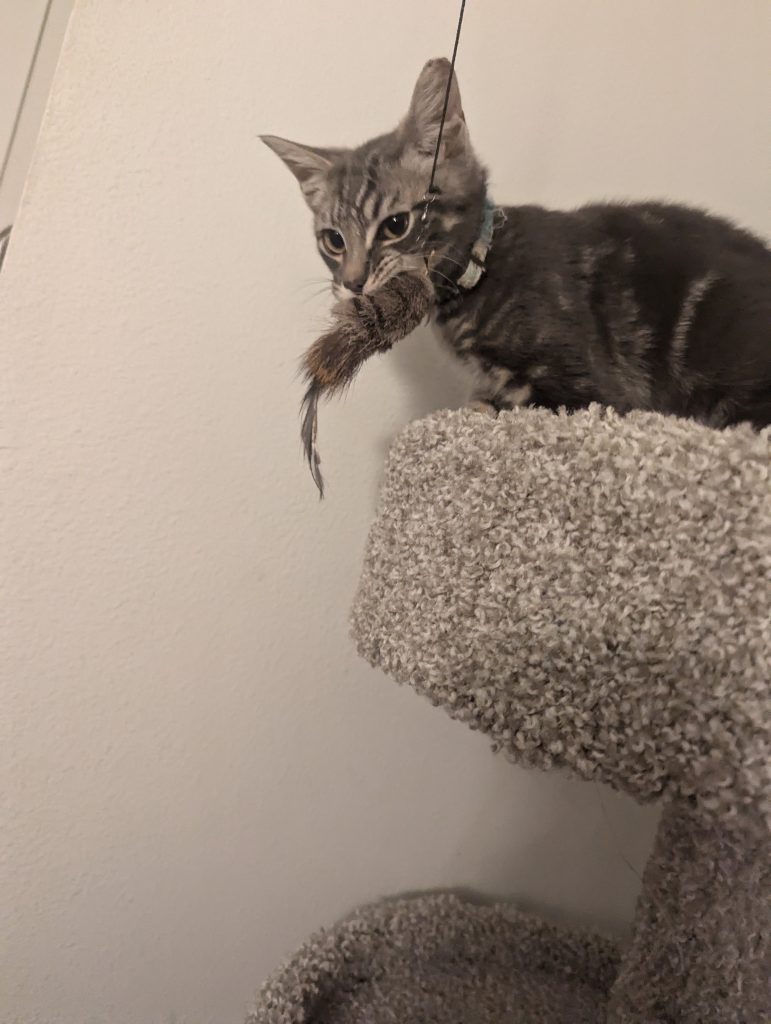
- Playtime: Engage in regular interactive play sessions. Toys like feather wands or laser pointers can stimulate a cat’s natural hunting instincts while strengthening your bond.
By taking the time to educate yourself on feline behavior and implementing effective socialization techniques, you can create a more happier and healthier cat. The investment in their social development will not just enhance their quality of life but will also contribute to a more enjoyable and harmonious relationship between you and your furry friend.
DISCOVER MORE: Click here for insights on overcoming adoption stress
Understanding Cat Behavior Through Socialization
The intricate world of cat behavior is intricately woven with the threads of socialization. From the initial interactions with their littermates to experiences with humans and other animals, socialization is paramount in shaping a cat’s personality. Cats are often seen as solitary creatures, but they thrive on social dynamics, and the quality of their social experiences directly influences their emotional well-being.
The significance of socialization in shaping cat behavior extends beyond mere companionship. Socialization fosters essential life skills that help cats navigate various environments, ensuring that they become well-adjusted adults. Research suggests that cats given opportunities for positive socialization during their formative weeks experience not only improved behavioral outcomes but also a greater ability to cope with change. This resilience promotes an emotionally stable feline that handles new situations—from introduction to a new home to encounters with other pets—more gracefully.
Common Behavioral Issues Rooted in Poor Socialization
Without proper socialization, many cats may exhibit a range of undesirable behaviors, often marking their discomfort or stress. Some of the most common issues stemming from insufficient social interaction include:
- Aggression: Cats that have not been socialized may respond defensively or aggressively toward unfamiliar people or animals.
- Hiding: Felines lacking exposure to new environments might retreat and hide, avoiding interaction altogether.
- Destructive Behavior: Boredom and anxiety caused by a lack of social experiences can drive cats to destructive habits, such as clawing furniture or knocking over items.
Notably, the American Association of Feline Practitioners emphasizes that these behavioral manifestations can often be mitigated through effective socialization practices during their early stages of life. For instance, a kitten that frequently interacts with various stimuli is less likely to display signs of fear-based aggression as an adult. The root cause of many feline behavioral dilemmas lies within their social experiences—or lack thereof.
The Role of Environment in Feline Socialization
The environment in which a cat is raised plays a crucial role in their socialization. Home settings that provide opportunities for exploration, engagement, and interaction lead to more confident and adaptable cats. A stimulating environment can include:
- Varied Textures and Surfaces: Allowing your cat to explore surfaces like carpet, wood, and tiles can enhance their confidence by exposing them to different sensations.
- Interactive Toys and Puzzles: These kinds of activities encourage mental stimulation and social engagement, reducing anxiety and elevating playfulness.
- Exposure to Different Sounds: Playing sounds of various environments—traffic, household noises, or even other animal noises—can help acclimate your cat to the diverse sounds of everyday life.
In essence, a thoughtful approach to your cat’s environment can nurture their curiosity, leading to a more vibrant and confident personality. In the following sections, we will delve deeper into specific socialization techniques, equipping you with strategies to enhance your feline friend’s quality of life. By laying the foundation for effective socialization, you pave the way for a harmonious human-cat relationship that celebrates the joy of feline companionship.
The Socialization Window: A Critical Time for Kittens
The period of socialization in cats is typically from infancy to around 9 weeks of age. During this crucial time, kittens are most receptive to new experiences and interactions. Exposure to various people, other pets, and different environments can greatly influence their behavior as adults. Kittens that receive positive social experiences during this window are likely to grow into more adaptable and friendly pets. Understanding this timeline can help cat owners facilitate an optimal socialization process.
Interactive Playtime: A Key Component
Engaging in regular playtime with your cat not only strengthens your bond but also fosters important social skills. Activities such as using feather wands or laser pointers mimic hunting behaviors, enabling cats to develop their hunting instincts while also learning appropriate social interactions. It’s essential to observe your cat’s body language during play to ensure they are comfortable and enjoying the interaction, paving the way for better social behaviors throughout their lives.
Introducing New Pets: A Gradual Process
Introducing a new cat or pet into the household should be done gradually to minimize stress and potential aggression. Start by allowing them to sniff each other’s belongings before any face-to-face interaction occurs. This method facilitates a safer and more positive introduction, allowing both animals to adjust at their own pace. Patience is key when it comes to integrating a new feline friend, as rushed introductions can lead to behavioral issues in both cats.
Behavioral Signs of an Unsocialized Cat
A cat that has not been properly socialized may exhibit signs of fear or aggression towards humans or other animals. They might hide when guests arrive or display defensive posturing, such as hissing or swatting. Recognizing these signs early allows cat owners to implement targeted and constructive socialization techniques, encouraging their pet to engage more positively with their environment.As we explore the relationship between socialization and cat behavior further, it’s essential to recognize that with consistency, patience, and the right strategies, even the most timid cats can learn to thrive in a sociable environment.
LEARN MORE: Click here for expert tips
Effective Socialization Techniques for Cats
As crucial as understanding the impact of socialization is, implementing effective techniques can profoundly shape your cat’s behavior and overall happiness. The process of socializing your feline friend is not merely about exposure; it encompasses creating positive associations that foster confidence and trust. Here are several practical methods to enhance the social experience for your cat:
Gradual Introductions
When introducing your cat to new environments, people, or other pets, it’s vital to take a gradual approach. Sudden introductions can be overwhelming and may lead to stress or anxiety. Instead, allow your cat to acclimate at their own pace. Start by letting your cat explore a confined space before gradually broadening their area of access. This method can be particularly effective when introducing a new pet to a household. By using a controlled approach, you set the stage for positive interactions and minimize the risk of aggressive behaviors.
Positive Reinforcement Techniques
Positive reinforcement is a powerful tool in training and socializing cats. Rewarding desired behaviors with treats or affection can create a strong association between new experiences and positive outcomes. For instance, if your cat successfully interacts with a new person or encounters a stimulus without fear, give them a treat to reinforce that behavior. Over time, they will learn that facing new situations can be rewarding, leading to increased confidence and sociability.
Structured Playtime
Engaging in structured play sessions is another excellent way to enhance socialization. Regular interactive play encourages bonding between you and your cat while also promoting their hunting instincts, which are foundational to their behavior. Utilizing toys that mimic prey, such as feather wands or laser pointers, can elicit natural playful responses. This not only strengthens your relationship but also provides essential mental and physical stimulation, reducing the likelihood of behavioral problems as your cat develops.
Socialization with Other Cats
If you are considering adding another feline to your home, ensuring that both cats have opportunities for socialization is essential. When introducing two cats, use separate rooms initially. Allow the cats to become familiar with each other’s scents by swapping bedding or using pheromone diffusers. Gradually facilitate supervised introductions, always observing their reactions closely. Understanding their body language can help you navigate the socialization process effectively, ensuring both cats feel safe and respected.
Utilizing Professional Help
In some instances, seeking the assistance of a professional animal behaviorist or feline trainer who is knowledgeable about socialization techniques may be beneficial. These experts can provide tailored advice based on your specific situation, offering insights into individual cat behaviors and challenges. Their experience can greatly accelerate the socialization process and equip you with tools to foster a well-adjusted feline.
Furthermore, locally available cat cafes or community events can provide additional socialization opportunities in a structured environment. These venues allow your cat to interact with other felines and humans, instilling a sense of normalcy and comfort in social settings.
With these techniques in hand, you can actively contribute to your cat’s happiness and well-being. By focusing on making their social experiences positive and enriching, you set the stage for a companion that not only enjoys your company but also thrives in various social scenarios.
DON’T MISS: Click here for must-have accessories
Conclusion
In summary, the impact of socialization on cat behavior is profound and multifaceted. A well-socialized cat exhibits improved confidence, reduced anxiety, and a more adaptable demeanor. By utilizing effective techniques such as gradual introductions, positive reinforcement, structured playtime, and mindful interactions with other pets, cat owners can significantly enhance their feline companions’ quality of life. Each cat possesses a unique personality and set of experiences, which necessitates a tailored approach to socialization.
Furthermore, the benefits of socialization extend beyond mere companionship; they contribute to a harmonious household environment and promote a healthier, more engaged pet. By being aware of your cat’s needs and respecting their boundaries, you can facilitate meaningful social experiences that foster positive associations.
For those new to pet ownership or contemplating introducing additional felines, it may be prudent to enlist the help of a professional pet behaviorist to guide the process. With their expertise, you can navigate potential challenges and ensure that your cats feel secure and valued.
Ultimately, creating opportunities for socialization not only leads to a happier feline but also enriches the bond between you and your pet. As you embark on this journey of socialization, remember that patience and consistency are key, ensuring that every interaction is a step towards nurturing a happy and well-adjusted feline companion.