How to Prepare Your Home for a New Pet After Adoption

The Joyful Journey of Pet Adoption
Bringing a new pet into your home is an exciting adventure filled with joy and companionship. However, it also comes with the responsibility of ensuring your space is ready for your new furry friend. Proper preparation can make the transition smoother for both you and your pet. Embracing this change can lead to rewarding experiences, fostering a deeper connection with your new companion.
Before you bring your pet home, take the time to consider important aspects such as:
- Safety: One of the first steps in preparing your home is to eliminate any potential hazards. Remove toxic substances like certain houseplants, cleaning supplies, and human food that can be harmful to pets. Additionally, secure loose wires that could pose a chewing risk and ensure that all windows and doors are secure to prevent escape.
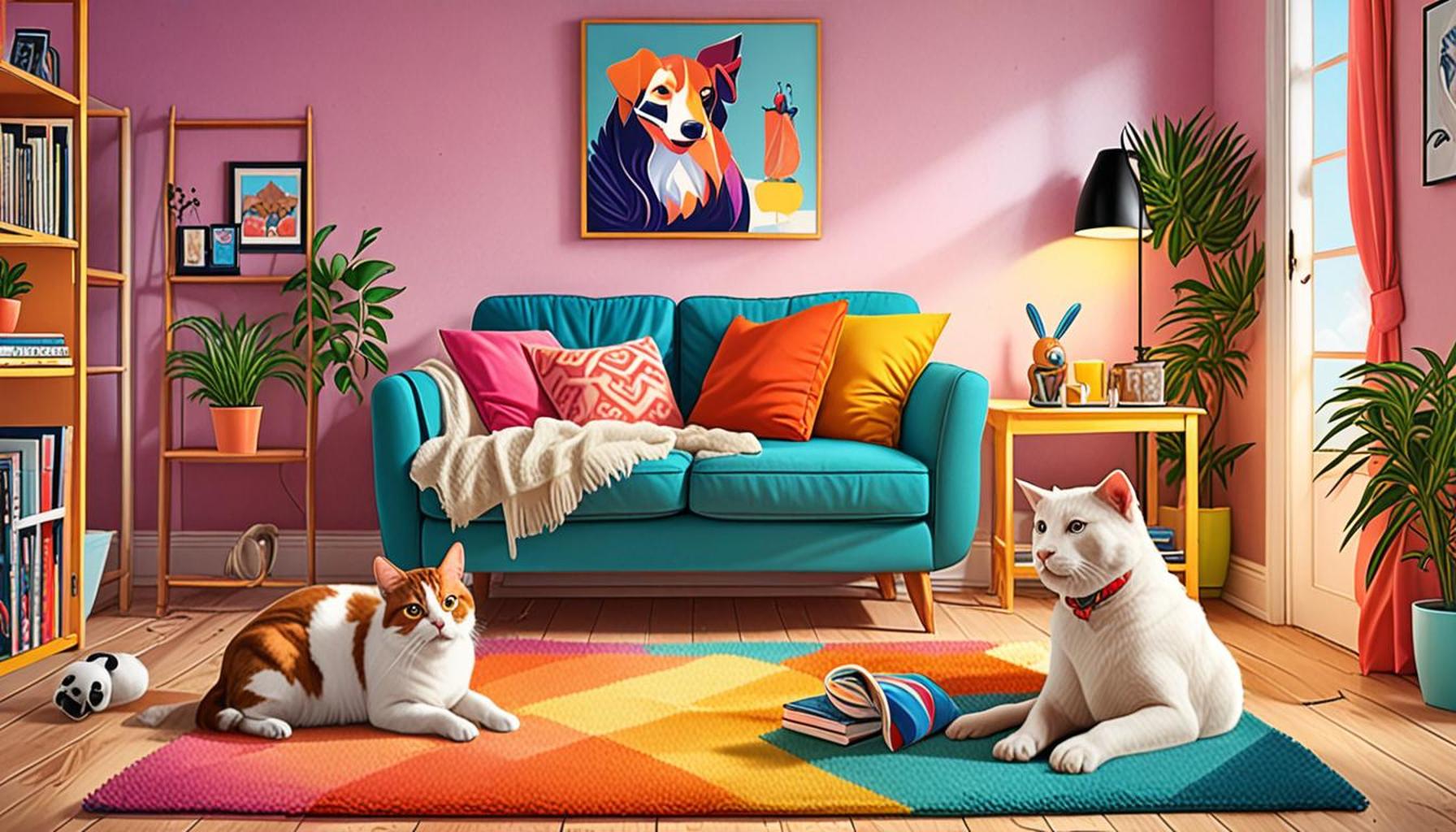
- Space: Pets thrive in organized environments. Designate specific areas for sleeping, eating, and playing to help your pet feel at home. For instance, if you’re adopting a dog, create a cozy corner with a comfortable bed and toy basket. Cats may appreciate a high perch or a secluded spot for their own space.
- Supplies: Stock up on essential pet items before bringing your furry friend home. You will need food and water bowls, high-quality pet food suited to their age and size, a variety of toys to stimulate their mind and body, and a comfortable bed. Additionally, consider grooming supplies and a sturdy leash if you’re adopting a dog. Don’t forget the importance of a pet ID tag or microchipping for their safety.
Understanding pet behavior and setting boundaries before adoption can pave the way for a harmonious home. Each type of pet has unique needs; for instance, dogs may require more exercise and social interaction while cats often enjoy playtime in shorter, more independent bouts. Taking the time to familiarize yourself with these behaviors will help you establish a rhythm that benefits both you and your pet.
As you prepare to welcome your new companion, consider not just the physical aspects but also how to make them feel loved and secure. Establishing a routine early on can help your pet acclimate to their new surroundings and reduce anxiety. With the right preparations, your home can transform into a safe haven where your new pet can thrive and flourish, ultimately leading to a fulfilling bond that enhances your lives.
Lastly, take the time to learn about local resources, such as pet training classes and community vet clinics, to support you in your new role as a pet owner. These services can be invaluable as you navigate this rewarding journey together.

DISCOVER MORE: Click here to learn about balanced pet nutrition
Creating a Safe and Welcoming Environment
As you prepare your home for a new pet, creating a safe and welcoming environment is essential for their well-being. A successful transition often relies on a mix of practical adjustments and emotional support, enabling your new companion to feel at ease in their new surroundings. Here are some key steps to take:
- Pet-Proof Your Space: Each room poses unique challenges for pet safety. Start by inspecting your home for potential dangers such as exposed electrical cords, small objects that could be swallowed, or chemicals that may be toxic to pets. Many household plants can be harmful as well; be sure to verify which ones are safe for your furry friend. Consider using baby gates to block off areas not suitable for your pet, particularly those with stairs or fragile items.
- Establish a Comfortable Zone: Designate a specific area in your home for your new pet, allowing them to acclimate to their new surroundings without feeling overwhelmed. For dogs, this could mean a cozy spot with their bed and toys in a quiet corner of the living room. Cats often appreciate a private area high up where they can observe their new environment in peace. Including items that smell like their previous environment, such as a blanket or toy, can further soothe them.
- Set Up Pet-Friendly Furniture: Evaluate your furniture and decide if any modifications are necessary. For instance, ensure that fragile items are out of reach of curious pets. If you have a dog that loves to jump, opt for sturdy furniture that can withstand their antics. There are also pet-specific varieties of furniture available today, designed for easy cleaning and durability, which can be a worthy investment for any pet owner.
- Implement a Routine: A consistent daily routine can greatly affect your pet’s adjustment period. Schedule regular feeding times, walks, and play periods to create a sense of predictability. This not only helps them settle in, but also allows you to build a strong relationship based on mutual trust and understanding.
- Introduce Gradually: It’s vital to introduce your new pet to the rest of your household gradually. If you have other pets, start with short supervised visits, allowing them to sniff each other while ensuring that each pet has their own space to retreat if needed. Patience is key—you want to create harmonious relationships within your household.
By taking these preparatory steps, you are not only ensuring a safe environment but also instilling confidence in your new pet. Remember that transitioning to a new home can be stressful for animals, so being proactive will help them feel more relaxed and secure. The bond you cultivate during this critical period can set the foundation for years of joyful companionship.
As you work through these considerations, don’t hesitate to reach out to local pet communities or pet adoption agencies for additional resources. They often provide invaluable guidance on integrating a new pet into your home, ensuring that your journey together gets off to the best possible start.
| Category | Details |
|---|---|
| Safety Measures | Ensure hazardous items like chemicals, cords, and breakables are secured. A pet-proof environment eliminates potential dangers. |
| Comfort Zone | Create a designated area that is cozy with bedding, toys, and food. This will serve as their safe haven as they adjust to a new home. |
| Routine Setup | Establish feeding, walking, and playtime routines to provide your new pet with stability, which is crucial during their adjustment period. |
As you prepare your home for a new pet after adoption, it is essential to focus on creating an environment that fosters both safety and comfort. Start by implementing rigorous safety measures to prevent accidents. This includes securing hazardous items—such as cleaning supplies, medication, and cords—that could pose a threat. A thorough inspection of your living space will ensure that your home is indeed a haven for your new furry friend.Moreover, designating a comfort zone is vital for helping your pet feel secure. A cozy area filled with soft bedding, stimulating toys, and their food will allow them to settle in more easily. The adjustment phase can be overwhelming for any pet, so offering a sanctuary where they feel protected will encourage a smooth transition.Establishing a routine is another beneficial strategy. Routine instills a sense of normalcy and helps your newly adopted pet understand what to expect throughout the day. By having structured times for feeding, walks, and play, you can reduce anxiety and build a strong bond with your pet. This comprehensive approach lays the groundwork for a fulfilling and enjoyable life together.
DIVE DEEPER: Click here for practical tips
Stocking Up on Essentials
Once you have laid down the groundwork for your new pet’s living space, the next crucial step in preparing your home is to stock up on essential supplies. Having the right items on hand not only eases the transition for your new family member but also sets the stage for a healthier and happier environment.
- Feeding Supplies: Begin with selecting a high-quality food that meets your pet’s specific needs, whether they be puppy, kitten, adult, or senior. Consult with your veterinarian about dietary recommendations. You’ll also need food and water bowls—choose non-slip, easy-to-clean versions that won’t tip over easily. Having a feeding schedule is beneficial; use measuring cups to ensure consistency and avoid overfeeding.
- Grooming Tools: Investing in grooming supplies is essential, especially for long-haired breeds. Brushes, combs, nail clippers, and pet-safe shampoo should be part of your starter kit. Regular grooming can help prevent health issues such as matting in fur or ingrown nails, while also serving as a bonding exercise between you and your pet.
- Identification and Safety Gear: For the safety of your new pet, ensure they are identifiable. A collar with an ID tag containing your contact information is a must-have. Microchipping your pet can be a lifesaver; many shelters and vet offices provide this service at low costs. You should also invest in a secure leash for dogs or a sturdy carrier for cats, especially for vet visits or travels.
- Comfort Items: Creating a comforting atmosphere is vital for your pet’s emotional health. Purchase a bed that suits their size and sleeping habits, as well as a selection of toys that offer mental and physical stimulation. Interactive toys, puzzle feeders, or chew items can engage their minds and help reduce anxiety.
- Health and Wellness Supplies: Keeping your new friend healthy is paramount. Stock up on pet-friendly cleaners to maintain a clean environment without exposing pets to harsh chemicals. Have basic first aid supplies ready, including bandages, antiseptic, and any medications prescribed by your veterinarian. Understanding preventative care and making regular vet appointments should also be part of your routine.
- Training Supplies: Training your new pet can enhance your bond while fostering good behavior. For dogs, acquire a standard leash, collars, and positive reinforcement treats. For cats, using scratch posts and litter boxes designed for easy cleaning can promote positive behaviors and discourage undesirable habits.
By being proactive and acquiring these essentials, you set your new pet up for a life filled with love and care. The right supplies and a nurturing environment will not only make your new furry friend feel secure but also outline the framework for responsible pet ownership. The joy of watching your new pet explore their new home and settle into their routine will make the preparation process worth every moment.
DISCOVER MORE: Click here to learn about positive reinforcement techniques
Final Thoughts on Preparing Your Home for a New Pet
Adopting a new pet is an exciting journey that requires careful planning and preparation. As you have learned, creating a welcoming environment involves more than just providing the basic necessities; it’s about fostering a space where your pet can thrive emotionally, mentally, and physically. By understanding your pet’s specific needs and stocking up on essential supplies, you lay the foundation for a harmonious relationship.
The preparation process encompasses several key components, from setting up living spaces and purchasing feeding and grooming tools to ensuring safety and comfort. Recognizing the importance of identification and training can make a significant difference in your pet’s well-being, enhancing the bond you share. Furthermore, staying proactive with health and wellness supplies ensures your new friend has everything they need to lead a happy life in their new home.
Consider this: Bringing a pet into your life is a long-term commitment that extends far beyond the initial adoption. Embrace the responsibility of care with enthusiasm and dedication. By doing so, you not only open your heart but also enrich your home with love and companionship. As you watch your new pet explore and grow, you’ll find that the effort invested in preparation becomes a rewarding experience that shapes a lasting connection. Keep learning about your pet’s needs, remain adaptable, and enjoy the unconditional love and joy they will bring to your life.