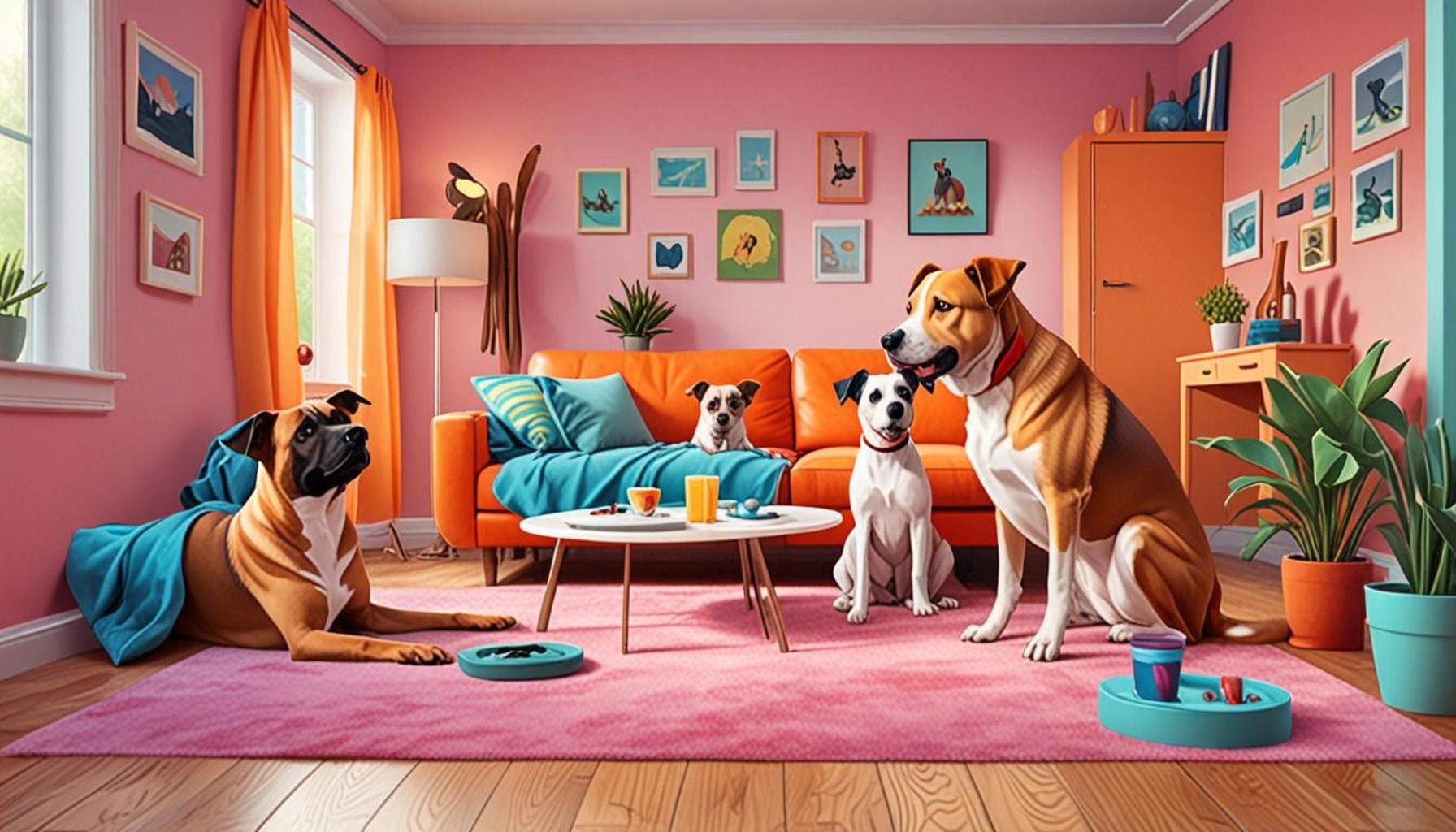
How Early Socialization Shapes Adult Dog Behavior Key Insights

Understanding Early Socialization in Dogs
The early stages of a dog’s life are critical in shaping their behavior as adults. Socialization during puppyhood plays a pivotal role in developing skills that impact how dogs interact with people, other animals, and their environment. But what does effective socialization entail, and why is it so essential for our furry companions?
The Importance of Socialization
Through proper socialization, puppies learn to navigate the complexities of their surroundings. This process influences their temperament, helping to prevent future behavioral issues. Key factors include:
- Exposure to Various Environments: Familiarization with different settings, sounds, and surfaces.
- Interactions with Other Animals: Learning how to engage positively with peers.
- Human Interaction: Developing trust and comfort with people.
What’s Next?
As we explore this topic, we will delve into the Top 5 Insights related to early socialization and its long-term effects. This information can help you understand your dog’s behavior better and assist in raising well-adjusted pets.Making the right choices during this formative stage can lead to a happy, confident adult dog.
Top 5 Ways Early Socialization Influences the Behavior of Adult Dogs
Understanding the significance of early socialization in dogs is crucial for every pet owner. A dog’s formative experiences during puppyhood have a profound impact on their behavior, temper, and social interactions throughout their life. In this article, we delve deeper into the top five ways early socialization influences adult dog behavior, emphasizing the importance of these pivotal experiences.
5. Reduces Fear and Anxiety
One of the most significant benefits of early socialization is its ability to reduce fear and anxiety in dogs as they mature into adulthood. During the critical socialization window from 3 to 14 weeks of age, puppies are highly receptive to new experiences. Exposure to different environments, sounds, people, and other animals during this stage teaches them to remain calm and comfortable in various situations. This early exposure helps puppies develop a baseline level of confidence that carries into adulthood, significantly reducing future anxieties associated with unfamiliar stimuli.
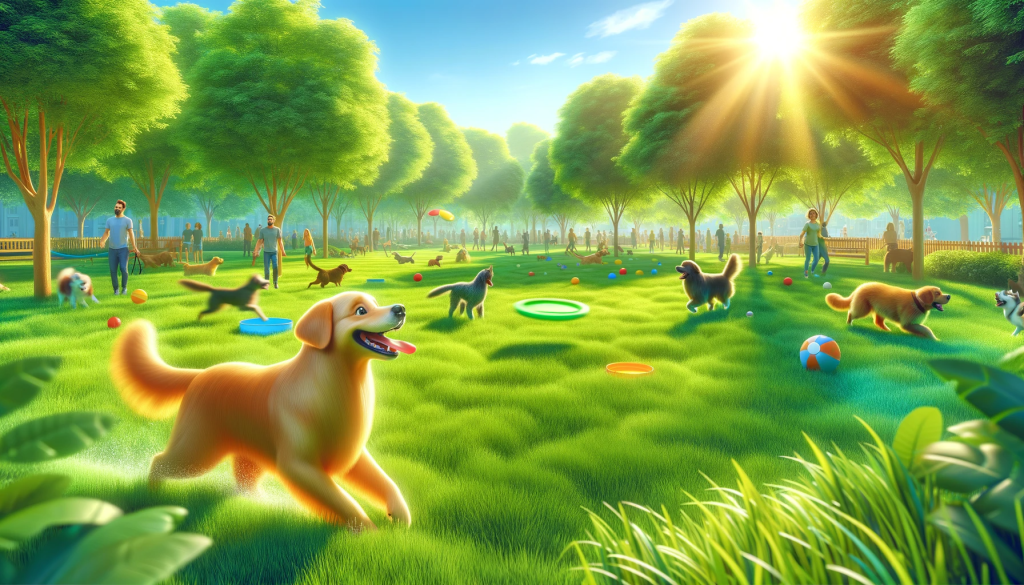
For dogs that miss this crucial period of socialization, the consequences can be marked by fearful behaviors, such as cowering or displaying nervousness around new experiences. Consider a scenario where a well-socialized dog meets a stranger; such a dog may approach with curiosity and friendliness, while a poorly socialized dog might react with apprehension or hiding. This highlights the importance of exposing puppies to a myriad of sensory inputs early on.
- Increased exposure to diverse sensory experiences bolsters confidence.
- Less likely to show aggression due to fear when encountering new situations.
- Exhibits improved behavior in public places and during social gatherings.
4. Promotes Positive Relationships
Early socialization is paramount in promoting positive relationships with humans and other animals. Puppies that engage positively with their environment learn essential interaction skills, which aid in forming bonds and interpreting social cues. They become proficient in understanding body language and vocal signals, helping foster harmonious relationships as they grow.
When puppies socialize with other dogs, they naturally develop the skills to read and respond to dog-specific cues. This is crucial for adult dogs, as a lack of socialization may lead to defensive or aggressive behaviors in social settings. For instance, a dog accustomed to interacting with its peers is better equipped to engage in friendly play and avoid unnecessary confrontations, enriching their social experiences throughout their lives.
3. Enhances Adaptability to New Experiences
A dog that is properly socialized during its early weeks is often more adaptable to new experiences encountered later on. This adaptability is essential because pets frequently encounter significant changes, such as moving to a new home, traveling, or interacting with unfamiliar people and pets.
Early socialization helps dogs embrace change with less stress. For example, consider the difference between a dog with good social skills and another that hasn’t been socialized: the former typically thrives in new environments—such as boarding facilities or dog parks—while the latter might experience heightened anxiety and stress, which may lead to behavioral problems.
2. Reduces Behavioral Problems
Early socialization plays a crucial role in reducing behavioral problems down the road. Well-socialized puppies are less likely to exhibit issues such as aggression, excessive barking, and separation anxiety. Many behavioral problems are rooted in fear, anxiety, or a lack of social competence.
Proper socialization lays a robust behavioral foundation, reducing the risk of these issues manifesting later in life. Research consistently supports that well-socialized dogs are calmer, more even-tempered, and generally more reliable companions. They display fewer unwanted behaviors and exhibit a greater capacity for obedience and mental stability.
- Decreased likelihood of showing aggression toward strangers or other animals.
- Reduced tendency for unwarranted barking or destructive behaviors.
- Diminished instances of fear-driven reactions to environmental changes.
1. Fosters Lifelong Learning and Intelligence
At the top of the list, early socialization significantly fosters lifelong learning and intelligence in dogs. Puppies exposed to a broad range of stimuli develop a natural curiosity about the world around them, which enhances their ability to learn and be trained as adults. This inquisitiveness encourages dogs to continue engaging with their environment actively and adaptively.
Socialized dogs are generally more eager and cooperative participants in training sessions, which can lead to better command learning and compliance. They are less likely to resort to attention-seeking or disruptive behavior, making them easier to manage and more pleasurable companions. Over time, the effects of good socialization contribute to a dog that not only meshes well into their home environment but also enriches the lives of those around them.
In conclusion, the benefits of early socialization cannot be overstated. These formative experiences shape our canine companions into well-mannered and intelligent beings. For pet owners, investing in socializing their puppies is an investment in a lifetime of enriching interactions and a harmonious household. Prioritizing early socialization yields not only well-behaved adult dogs but also treasured moments and lifelong memories shared with a loyal friend.
| Category | Details |
|---|---|
| Behavioral Stability | Dogs that experience early socialization tend to show greater stability in their behavior as adults. This involves reduced anxiety and less aggression towards unfamiliar situations and individuals. |
| Social Skills | Early exposure to different environments and other animals enhances a dog’s social skills. As they mature, dogs that were well-socialized demonstrate better aptitude in interacting with other dogs and people. |
| Reduced Behavioral Issues | Early socialization plays a crucial role in decreasing common behavioral problems, such as excessive barking or intrusive behaviors. This leads to a more balanced and well-adjusted adult dog. |
| Confidence Building | Dogs that are socialized early develop higher levels of confidence. This is vital for their ability to navigate unfamiliar scenarios and adapt to new places, which enhances their quality of life significantly. |
The integration of early socialization periods for dogs not only benefits their immediate behavior but also lays the groundwork for their lifelong demeanor. An investment in early interactions can breed dogs characterized by self-assurance and sociability, becoming companions that enrich the lives of their human counterparts. Research consistently indicates that dogs exhibiting such positive traits have higher probabilities of being adopted and integrated into family settings. Emphasizing the importance of early social exposure underscores the profound impact of breed mentorship and early community interactions on canine temperaments later in life.
Frequently Asked Questions about Early Socialization of Dogs
How does early socialization impact the behavior of adult dogs?
Early socialization plays a crucial role in shaping the behavior of adult dogs. Puppies exposed to varied experiences, people, and environments during their formative weeks—typically between 3 and 14 weeks of age—are more likely to develop into well-adjusted adults. This period is known as the “critical socialization window.” Dogs that miss these early interactions may display fear or aggression as adults. Introducing them to different stimuli and learning positive interactions helps build confidence, reduces fear, and fosters adaptability.
What are some key activities involved in the socialization process?
Effective socialization involves exposing puppies to a variety of experiences. This includes meeting new people of different ages and appearances, interacting with other dogs and animals, and visiting various locations, such as parks, busy streets, and veterinary offices. Additionally, exposing them to different sounds, surfaces, and objects is crucial. Activities should be positive and supervised to ensure experiences are safe and pleasant, which helps puppies view the world as a friendly and non-threatening place.
Can socialization occur too early or too late for puppies?
Timing is critical for socialization. The window from 3 to 14 weeks is regarded as ideal, as puppies are most receptive to learning about new experiences during this time. While socialization can continue beyond this period, it may require more time and patience, especially if the critical window is missed. Early overexposure to extremely stressful situations should also be avoided, as it might cause fear rather than ease it. It is important to balance challenge with care during socialization exercises.
Is there a risk of over-socializing a puppy?
While socialization is important, overexposure to too many stimuli, particularly during the early weeks, can overstimulate a puppy and lead to fatigue or stress. It is essential to ensure the puppy has time to rest and process these experiences. Moderation is key; aim to make the interactions and exposures positive and manageable without overwhelming the young dog. As a strategy, short and frequent interactions, rather than long and intense ones, are often more effective in ensuring healthy development.
How can owners ensure that socialization experiences are positive for the puppy?
The key to positive socialization is ensuring that all interactions are safe and pleasurable. Avoid forcing the puppy into situations where it seems fearful or anxious. Instead, encourage exploration through gentle encouragement, rewards, and reassurance. Using treats and toys to reward calm behavior reinforces positive experiences. Additionally, monitoring the puppy’s body language can help owners gauge their comfort level and adjust the experience accordingly. This approach will pave the way for a confident, balanced adult dog.
Conclusion: The Lasting Impact of Early Socialization on Adult Dogs
The exploration of how early socialization influences adult canine behavior unveils a world of insights into dog development. Early socialization is a crucial component in shaping well-adjusted and behaviorally balanced canines. Throughout this article, we’ve uncovered that introducing puppies to a variety of experiences during their formative weeks significantly impacts their lifelong behavior and sociability.
One of the primary takeaways is the undeniable connection between early experiences and the prevention of behavioral issues later in life. Well-socialized puppies are generally more confident, less anxious, and demonstrate a higher ability to interact with both humans and other animals. This foundation aids in reducing aggressive behaviors and nurturing a friendly and curious nature.
Moreover, the adaptability and resilience ingrained through early socialization extend to several aspects of a dog’s life, including more successful training outcomes and improved coping mechanisms in unfamiliar situations. In essence, the groundwork for a healthy relationship between a dog and its owner can largely be attributed to positive social exposure during early developmental stages.
As pet owners and enthusiasts, understanding the importance of early socialization prompts us to be more proactive in providing enriching and varied experiences for our furry companions. The controlled exposure to diverse environments, sounds, people, and other animals equips our canine friends with the skills needed to navigate their world with ease and confidence.
Highlighting the significance of early socialization encourages further exploration of methods to ensure the well-being of dogs throughout their lives. As we continue to deepen our understanding of dogs’ psychological development, the responsibility to offer a supportive beginning lies with us.