Balanced Pet Nutrition Key to Your Pets Health and Longevity
The way we nourish our pets plays a crucial role in their overall health and well-being. A balanced diet not only helps maintain an ideal weight but also supports vital bodily functions, enhancing their quality of life. Understanding the importance of pet nutrition is essential for pet owners who want to provide the best for their furry companions.
Nutritional needs can vary significantly among different species, breeds, and life stages, making it important to tailor diets accordingly. Poor dietary choices may lead to a range of health issues, including obesity, diabetes, and cardiovascular problems. By focusing on nutritional balance, you can ensure that your pet enjoys a long, happy, and healthy life.
To help you navigate the complex world of pet nutrition, we have compiled a list of the Top 5 Essential Components of a balanced pet diet. By exploring these key elements, you’ll gain valuable insights into how to keep your beloved pets thriving.
The Importance of Balanced Nutrition for Pet Health
Many pet owners may not realize that just like humans, animals require a balanced diet to thrive. Proper nutrition plays a crucial role in maintaining the overall health and well-being of our furry friends. In this article, we will explore the top five reasons why balanced nutrition is essential for your pets, examining the benefits of a wholesome diet and how it impacts their longevity and quality of life.
5. Reduces the Risk of Obesity
One of the growing concerns in pet health is obesity. Many pets are overfed and under-exercised, leading to significant health issues such as diabetes, arthritis, and heart disease. A balanced diet can help combat this trend by providing the right amount of nutrients without excess calories.
The modern lifestyle has made it surprisingly easy for our pets to pack on extra pounds. With more people living in urbanized settings, pets might not always get the exercise they need. Coupled with high-calorie treats and table scraps, the risk of obesity in pets has risen dramatically. Overweight pets are more prone to diseases that can drastically reduce their quality of life and life expectancy.
By formulating a diet that includes appropriate portion sizes and nutrient-dense foods, pet owners can:
- Prevent obesity-associated diseases, contributing to a longer, healthier life.
- Improve energy levels, allowing pets to engage in play and exercise more effectively, which further aids weight control.
- Enhance mobility and range of motion, particularly important for older pets that may be suffering from joint problems exacerbated by excess weight.
Additionally, monitoring your pet’s weight can aid in adjusting their diet as needed, helping to maintain a healthy lifestyle. Regular check-ins with a veterinarian can provide guidance on tailoring a diet that best suits your pet’s individual needs.
4. Strengthens the Immune System
A balanced diet is integral in strengthening our pets’ immune systems. Foods rich in antioxidants, vitamins, and minerals can significantly boost an animal’s resistance to infections and diseases. Just like humans, pets are susceptible to illness, and a well-nourished pet is often more resilient.
A strong immune system is a pet’s first line of defense against the myriad of bacteria, viruses, and pathogens it encounters daily. Tailoring a pet’s dietary intake to include immune-boosting nutrients can result in a robust shield against common illnesses and infections.
Essential dietary components that contribute to a robust immune system include:
- Omega-3 and Omega-6 fatty acids, which support cellular health and reduce inflammation throughout the body.
- Vitamins A, C, and E, which function as antioxidants and play roles in tissue repair and the upkeep of skin and mucous membranes.
- Protein sources like lean meats and legumes, which provide the amino acids essential for synthesizing immune cells.
Incorporating these nutrients into your pet’s diet can lead to fewer veterinary visits and healthier, happier pets. Keeping pets free from frequent illnesses not only enhances their quality of life but also reduces the emotional and financial burden on pet owners.
3. Promotes Healthy Skin and Coat
Nutrition undeniably affects the condition of your pet’s skin and coat. A balanced diet rich in essential fatty acids and high-quality proteins can lead to a glossier, healthier coat. If a pet is lacking in vital nutrients, it may exhibit signs such as dull fur, excessive shedding, or skin irritations.
The skin is the largest organ in the body and requires proper nutrition to function optimally. An inadequate diet can lead to not just cosmetic issues but also medical ones, such as dermatitis, infections, and allergies.
A diet designed to promote skin health should include:
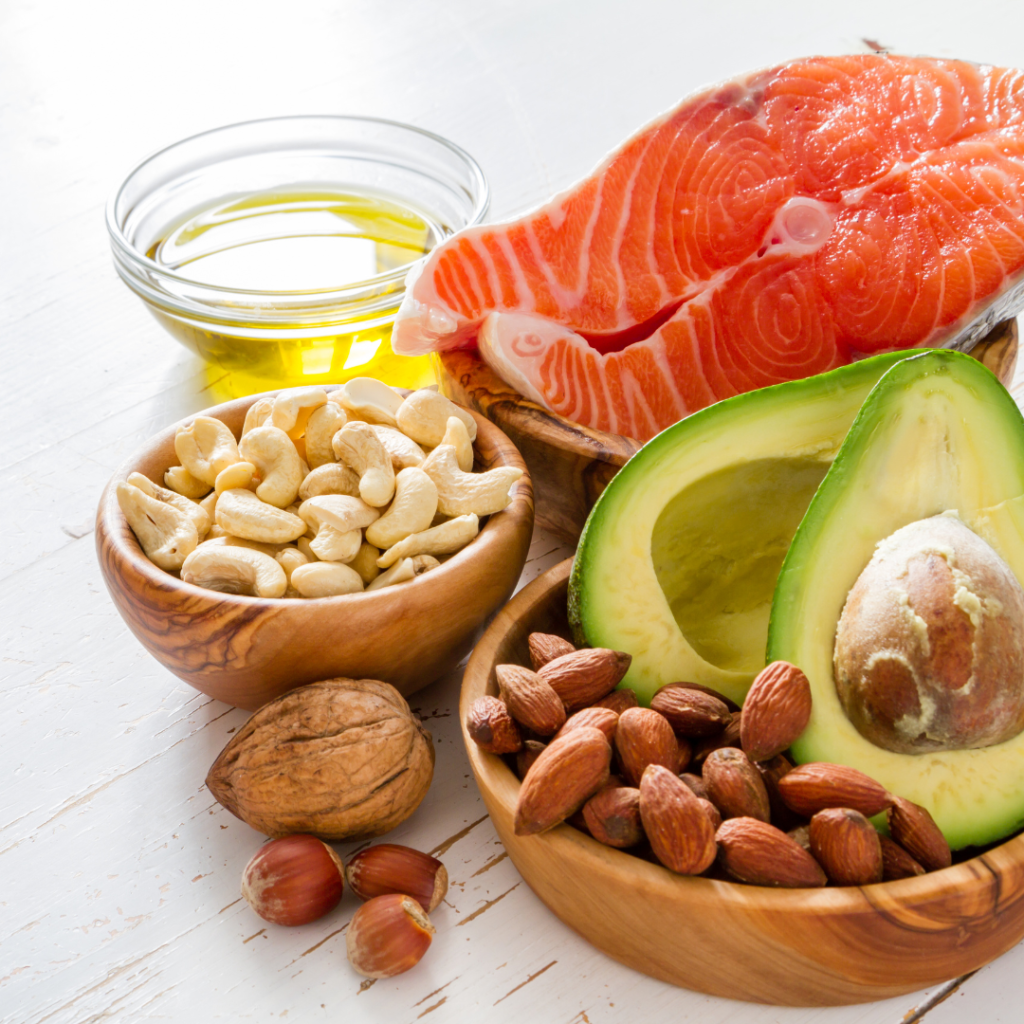
- Fish oil or flaxseed for Omega-3 fatty acids, known for their ability to reduce inflammation and bolster skin health.
- Zinc for skin repair, as it is crucial for the healing processes of cuts and abrasions.
- Biotin and vitamins for maintaining skin elasticity, ensuring that the skin remains supple and resistant to environmental stressors.
By nourishing the skin from the inside out, pet owners can help mitigate various dermatological issues. A shiny coat and healthy skin are often seen as hallmarks of a well-adjusted and nutritionally satisfied pet.
2. Enhances Digestive Health
Just like humans, pets require a diet that supports optimal digestive health. A balanced diet that includes fiber-rich foods promotes healthy digestion, prevents constipation, and reduces the risk of gastrointestinal diseases. Quality ingredients, including whole grains and vegetables, play a vital role in maintaining a balanced gut flora.
The gastrointestinal tract impacts almost every aspect of health. Proper digestion affects nutrient absorption, energy levels, and even mood and behavior. When pets digest their food well, they absorb nutrients more effectively, leading to better overall health.
The key benefits of a well-structured diet that supports digestive function include:
- Improved nutrient absorption, ensuring that essential vitamins and minerals are utilized effectively.
- Reduced gastrointestinal distress, leading to less discomfort and fewer incidents of vomiting or diarrhea.
- Balanced stool consistency, which is an indicator of a well-functioning digestive system and aids in easier waste elimination.
Regular monitoring of your pet’s stool quality can be a good indicator of their overall digestive health and diet satisfaction. A consistent, well-formed stool is often a sign of a thoroughly balanced diet and gut health.
1. Increases Longevity and Quality of Life
The most significant reason to prioritize a balanced diet for pets is its potential to increase both longevity and quality of life. Research has shown that pets receiving proper nutrition tend to live longer and experience fewer health problems throughout their lives. A nutritionally rich diet helps maintain optimal organ function, keeps weight in check, and supports overall vitality.
The connection between diet and longevity is not just anecdotal but is supported by numerous studies. Pets on a proper nutritional regimen often exhibit signs of vitality and alertness well into their golden years. Adjusting diet according to life stage, activity level, and specific health conditions is critical in managing and optimizing health outcomes.
When selecting a diet for your pet, consider the following factors to promote an extended lifespan:
- The pet’s age and life stage, as nutritional needs will change as your pet grows or ages.
- Specific breed requirements, since some breeds may have predispositions to certain conditions that diet can help manage.
- Any pre-existing health conditions, which might necessitate specialized diets, such as renal-friendly foods for pets with kidney issues.
Ultimately, investing in balanced nutrition will lead to happier and healthier pets, allowing them to thrive alongside their owners for many years to come. A commitment to understanding and implementing a balanced diet for pets is a sure pathway to ensuring they reach their fullest potential in health and longevity.
| Category | Details |
|---|---|
| Weight Management | Maintaining a balanced diet helps pets achieve and sustain a healthy weight, preventing obesity-related diseases and conditions. |
| Improved Immune Function | Nutritious foods fortified with vitamins and minerals are essential for strengthening the immune system, thus enhancing the pet’s ability to fight off infections. |
| Healthy Skin and Coat | A balanced diet rich in omega fatty acids contributes to a shiny, healthy coat and reduces skin irritations and allergies. |
| Enhanced Digestive Health | Properly balanced diets high in fiber promote digestive health and regular bowel movements, minimizing gastrointestinal issues. |
Frequently Asked Questions on Balanced Nutrition for Pet Health
Why is a balanced diet crucial for my pet’s health?
A balanced diet is the cornerstone of your pet’s overall well-being. It ensures they receive the necessary nutrients, vitamins, and minerals needed for growth, energy, and maintenance of body functions. Lack of a balanced diet can lead to deficiencies, impact their immune system, and make them more susceptible to diseases.
What are the essential nutrients my pet needs?
Pets require a combination of proteins, carbohydrates, fats, vitamins, and minerals. Proteins are crucial for building and repairing tissues, while carbohydrates and fats provide energy. Vitamins and minerals support various bodily functions, such as bone health and nerve function. A deficiency or overload of any of these can lead to health issues.
How can I ensure that my pet’s diet is balanced?
Consulting a veterinarian or a pet nutritionist is a great start. They can recommend specific diets based on your pet’s breed, age, and health status. Additionally, high-quality commercial pet foods are formulated to meet nutritional standards. Look for products that mention they comply with AAFCO (Association of American Feed Control Officials) guidelines, as these ensure a balanced nutrient profile.
Can my pet receive the same diet throughout its life?
No, your pet’s dietary needs change over time. Puppies and kittens have different requirements compared to adult or senior pets. Nutritional needs may also vary based on activity levels, health conditions, and breed. Regular check-ups can help adjust their diet to fit their evolving needs, ensuring they remain healthy at every life stage.
Are homemade diets a good option for pets?
Homemade diets can be beneficial but require careful planning to ensure nutritional adequacy. It’s important to work with a veterinary nutritionist to develop a balanced recipe. Without expert guidance, there is a risk of creating nutritional imbalances, which can lead to serious health issues over time.
Conclusion
In summarizing the vital role of a balanced diet in the healthy development and well-being of our pets, several crucial points emerge. Firstly, a balanced diet is not just a luxury but a necessity for the overall health of pets, helping to prevent diseases and extending their lifespan. Different life stages and species require tailored nutritional approaches to meet their specific needs. Proper nutrition supports essential bodily functions and fortifies the immune system.
Secondly, it is important to understand that nutrition impacts the physical and mental health of pets, influencing their energy levels, mood, and behavior. A well-nourished animal exhibits more vitality and exhibits a better quality of life. Moreover, the choice of the right food can help tackle common health problems prevalent in pets today, from obesity to allergies.
Another critical takeaway is the importance of consulting with a veterinarian or a pet nutritionist to design an optimized dietary plan. This approach ensures pets receive a diet that is nutrient-rich and free from harmful ingredients. Pet owners should stay attentive to food labels and become proactive in their pet’s dietary decisions.
As we increasingly recognize pets as integral parts of our families, their health transcends mere sustenance—it becomes a matter of care and compassion. Thus, embracing the importance of balanced nutrition is paramount not only for extending the lifespan of our beloved animals but also enhancing their day-to-day lives. We must remain vigilant and informed, continuously exploring further ways to ensure our pets thrive.